
Close Menu
    Fruit Tree Hub
    • Home
    • Apple Trees
    • Lemon Trees
    • Mango Trees
    • Orange Trees
    • More Trees
      • Best Fruit Trees
      • Apricot Trees
      • Cherry Trees
      • Fig Trees
      • Lime Trees
      • Mulberry Trees
      • Peach Trees
      • Pear Trees
      • Plum Trees
      • Pomegranate Trees
    • Tips and Advice
      • Tools
    • About Us
      • Contact
      • Privacy Policy
    Fruit Tree Hub
    Home»Fruit Trees»Tamarind Trees»The Best Organic Fertilizers for Tamarind Trees
    Tamarind Trees

    The Best Organic Fertilizers for Tamarind Trees

    Lucy SmithBy Lucy SmithMarch 27, 20245 Mins Read
    Share Facebook Twitter Pinterest WhatsApp Email
    Share
    Facebook Twitter LinkedIn Pinterest Telegram Email

    When it comes to feeding your tamarind trees, choosing the right organic fertilizers is key for healthy growth and good harvests. With many options available, it can be hard to know which ones are best.

    Contents show
    1 Key Takeaways
    2 Compost
    3 Manure
    4 Fish Emulsion
    5 Bone Meal
    6 Seaweed Extract
    7 Conclusion

    From compost to fish emulsion, each organic fertilizer has its own benefits. As you decide how to care for your tamarind trees, you'll want to learn about the different types of organic fertilizers and how they can help your trees thrive.

    Key Takeaways

    • Compost and manure are both excellent organic fertilizers for tamarind trees.
    • Fish emulsion is a beneficial supplement to well-aged manure, providing essential nutrients and promoting vigorous foliage and fruiting.
    • Bone meal is a sustainable fertilizer option that enhances growth, improves soil structure, and supports robust root growth.
    • Seaweed extract is a nutrient-rich fertilizer that promotes root development, increases disease resistance, and enhances overall growth.

    Compost

    When composting for your tamarind trees, consider using a well-balanced mix of organic materials to provide essential nutrients for healthy growth and fruit production.

    The composting process involves breaking down organic matter such as kitchen scraps, yard waste, and leaves into a nutrient-rich soil amendment.

    Compost benefits your tamarind trees by improving soil structure, enhancing water retention, and promoting beneficial microbial activity. This results in a healthier root system, increased resistance to diseases, and better overall growth.

    To start the composting process, collect organic materials and layer them in a designated composting area. Turn the pile regularly to aerate it and speed up decomposition.

    MUST READ
    Creating a Wildlife Habitat With Tamarind Trees

    Once the compost is ready, spread it around the base of your tamarind trees to provide them with a natural and sustainable source of nutrients.

    Recommended Products

    Down To Earth All Natural Fertilizers Organic Fruit Tree - 6-2-4, 5 lb | Plant Food for Apples, Pears, Plums, Cherries, Peaches, Tropical Fruit, Pomegranates, High Calcium, Backyard Orchard
    Down To Earth All Natural Fertilizers Organic Fruit Tree - 6-2-4, 5 lb | Plant Food for Apples, Pears, Plums, Cherries, Peaches, Tropical Fruit, Pomegranates, High Calcium, Backyard Orchard

    Down to Earth Fruit Tree is a five pound box of all natural fertilizer with 6-2-4 formula and is listed by the Organic Materials Review Institute (OMRI) for use in organic production

    VIEW LATEST PRICE

    As an affiliate, we earn on qualifying purchases.

    Premium Organic Compost Screened 2 lbs
    Premium Organic Compost Screened 2 lbs

    Manure Compost

    VIEW LATEST PRICE

    As an affiliate, we earn on qualifying purchases.

    Jobe’s Organics Granular Garden Fertilizer, Easy Plant Care Fertilizer for Fruit and Citrus Plants and Trees, 4 lbs Bag
    Jobe’s Organics Granular Garden Fertilizer, Easy Plant Care Fertilizer for Fruit and Citrus Plants and Trees, 4 lbs Bag

    Package contains 4 Pounds organic fruit and citrus fertilizer grains and is produced to avoid wasteful runoff, mess, hazards and smells

    VIEW LATEST PRICE

    As an affiliate, we earn on qualifying purchases.

    Manure

    To nourish your tamarind trees, consider incorporating well-aged manure into the soil to provide essential nutrients for robust growth and bountiful fruit production. Well-aged manure offers a range of benefits for tamarind trees, including its nutrient-rich composition and its ability to improve soil structure.

    When using manure as an organic fertilizer for your tamarind trees, it's important to consider the following:

    1. Nutrient content: Well-aged manure is rich in essential nutrients such as nitrogen, phosphorus, and potassium, which are vital for the healthy growth and development of tamarind trees.
    2. Application methods: Apply well-aged manure around the base of the tamarind tree, ensuring it's spread evenly within the drip line. Avoid direct contact with the tree trunk to prevent potential damage.
    3. Timing: Apply manure in the spring before new growth begins to maximize its benefits throughout the growing season.
    MUST READ
    Can Tamarind Trees Be Damaged by High Winds

    Recommended Products

    Espoma Organic Chicken Manure 3.75 lb. Bag. All Natural & Organic Fertilizer for All Flowers, Vegetables, Trees, and Shrubs. for Organic Gardening
    Espoma Organic Chicken Manure 3.75 lb. Bag. All Natural & Organic Fertilizer for All Flowers, Vegetables, Trees, and Shrubs. for Organic Gardening

    FOR USE ON: Use Chicken Manure organic fertilizer for flowers (annuals, perennials, and roses), Vegetables (tomatoes, peppers, squash, and lettuce), trees and shrubs.

    VIEW LATEST PRICE

    As an affiliate, we earn on qualifying purchases.

    Espoma Organic Cow Manure with Aged Forest Products - 1 Cubic Foot Bag. Soil Amendment & Fertilizer for use When Planting Vegetables, Flowers, Trees & Shrubs.
    Espoma Organic Cow Manure with Aged Forest Products - 1 Cubic Foot Bag. Soil Amendment & Fertilizer for use When Planting Vegetables, Flowers, Trees & Shrubs.

    CONTAINS - Dehydrated cow manure with aged forest produts that help improve poor soil conditions and promote better plant growth

    VIEW LATEST PRICE

    As an affiliate, we earn on qualifying purchases.

    Brut Cow Compost – Nutrient-Rich Composted Cow Manure Organic Soil Amendment – 100% Pure Compost, Additive-Free Fertilizer for Vegetable Gardens, Flowers, Lawns & Indoor Plants – 10 Quart
    Brut Cow Compost – Nutrient-Rich Composted Cow Manure Organic Soil Amendment – 100% Pure Compost, Additive-Free Fertilizer for Vegetable Gardens, Flowers, Lawns & Indoor Plants – 10 Quart

    NUTRIENT-RICH GROWTH: Premium cow manure compost packed with nitrogen, calcium, and iron. This organic compost fertilizer enriches soil, boosts microbial life, and supports bigger vegetables, greener lawns, and thriving flowers.

    VIEW LATEST PRICE

    As an affiliate, we earn on qualifying purchases.

    Fish Emulsion

    Consider supplementing the nutrient-rich benefits of well-aged manure with fish emulsion for your tamarind trees, enhancing their growth and fruit production. Fish emulsion is a valuable organic fertilizer that provides an array of benefits for tamarind trees. It is a rich source of nitrogen, phosphorus, and potassium, promoting vigorous foliage and bountiful fruiting. Additionally, fish emulsion contains essential micronutrients and beneficial enzymes that support overall tree health. When applying fish emulsion, dilute it with water according to the manufacturer's instructions to prevent root burn. You can use it as a foliar spray or apply it directly to the soil around the tree's drip line. This method allows for efficient absorption and utilization of the nutrients by the tamarind tree's root system, ensuring optimal growth and fruit development.

    MUST READ
    Where to Plant Tamarind Trees for the Best Yield
    BenefitsApplication Techniques
    Rich in nutrientsDilute with water
    Supports tree healthUse as foliar spray
    Enriches fruitingApply to soil

    Recommended Products

    Alaska Fish Fertilizer for Plants, OMRI Listed 5-1-1 | Fish Fertilizer For Roses, Vegetables, Fruits, Shrubs, Trees, and Container Plants
    Alaska Fish Fertilizer for Plants, OMRI Listed 5-1-1 | Fish Fertilizer For Roses, Vegetables, Fruits, Shrubs, Trees, and Container Plants

    For Organic Gardening: Certified by OMRI for organic use, this organic fish fertilizer is trusted by gardeners who value natural growing practices
    VIEW LATEST PRICE

    As an affiliate, we earn on qualifying purchases.

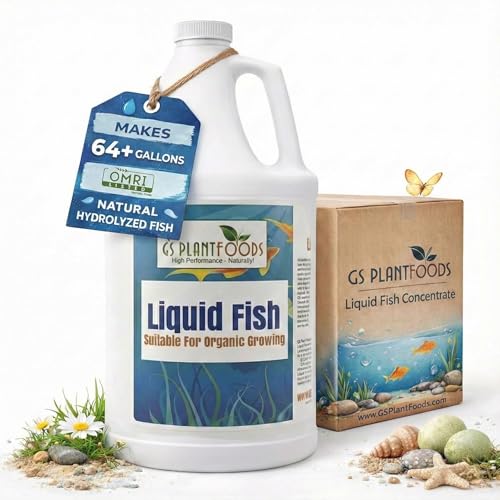
    GS Plant Foods Liquid Fish Fertilizer - Organic Material Review Institute Listed (1 Gallon) – Natural Hydrolyzed Fish Fertilizer for Gardens, Lawns & Container Growing
    GS Plant Foods Liquid Fish Fertilizer - Organic Material Review Institute Listed (1 Gallon) – Natural Hydrolyzed Fish Fertilizer for Gardens, Lawns & Container Growing

    OMRI CERTIFIED Organic Materials Review Institute Listed for Organic Production Approved as GS Plant Foods Organic Liquid Fish Concentrate 2-3-1. Suitable for organic growing under OMRI and NOP standards.
    VIEW LATEST PRICE

    As an affiliate, we earn on qualifying purchases.

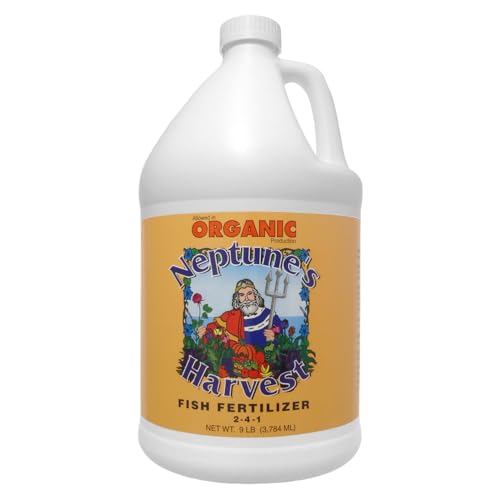
    Neptune's Harvest Fish Fertilizer (2-4-1) - Organic Liquid Plant Fertilizer - Fish Hydrolysate for Vegetables, Flowers, Fruit, Trees, Grass - Indoor and Outdoor Plant Food (Gallon)
    Neptune's Harvest Fish Fertilizer (2-4-1) - Organic Liquid Plant Fertilizer - Fish Hydrolysate for Vegetables, Flowers, Fruit, Trees, Grass - Indoor and Outdoor Plant Food (Gallon)

    Derived for Maximum Growth: Start with nutrition designed to work with nature; Neptune’s Harvest Organic Fish Fertilizer 2-4-1 is a liquid fish fertilizer and organic fish plant food made using a unique cold process that protects the vitamins, amino acids, enzymes, and growth hormones; sourced from clean, mineral rich North Atlantic Ocean fish and never lake, farmed, or river fish; this fertilizer supports lawns, vegetables, flowers, and indoor plants throughout the growing season and is safe for kids and pets

    VIEW LATEST PRICE

    As an affiliate, we earn on qualifying purchases.

    MUST READ
    Where Tamarind Trees Fit in a Tropical Diet

    Bone Meal

    Using bone meal as a natural fertilizer can enhance the growth and health of your tamarind trees. Bone meal is a valuable organic amendment that contributes to the overall vitality of your trees.

    Here's why you should consider using bone meal for your tamarind trees:

    1. Nutrient Absorption: Bone meal contains essential nutrients such as phosphorus and calcium, which are vital for the healthy development of tamarind trees. These nutrients support robust root growth and enhance the trees' ability to absorb other essential elements from the soil.
    2. Soil Enrichment: When bone meal is incorporated into the soil, it enriches the growing medium by improving its structure and fertility. This helps create an optimal environment for tamarind trees to thrive and produce an abundant harvest.
    3. Sustainable Solution: Bone meal is an environmentally friendly choice that promotes sustainable gardening practices, ensuring the long-term health of your tamarind trees.

    Seaweed Extract

    Enhance the growth and health of your tamarind trees with the nutrient-rich benefits of seaweed extract, a natural fertilizer that provides essential elements for optimal development and vitality. Seaweed extract benefits your tamarind trees by promoting root development, increasing resistance to diseases, and enhancing overall growth. This organic fertilizer is packed with essential nutrients such as nitrogen, potassium, and trace elements, which are vital for the healthy growth of tamarind trees. When applying seaweed extract, dilute it according to the manufacturer's instructions and use it as a foliar spray or soil drench. For best results, apply seaweed extract during the early morning or late afternoon to prevent leaf burn. By incorporating seaweed extract into your tamarind tree care routine, you can ensure they receive the necessary nutrients for vigorous growth and improved fruit production.

    MUST READ
    Why Do Tamarind Trees Produce Edible Seeds
    Seaweed Extract BenefitsSeaweed Extract Application TechniquesRecommended Frequency
    Promotes root developmentDilute according to instructionsEvery 2-4 weeks
    Increases disease resistanceUse as foliar spray or soil drenchThroughout growing season
    Enhances overall growthApply during early morning or late afternoonAs needed based on growth

    Conclusion

    Incorporating organic fertilizers such as compost, manure, fish emulsion, bone meal, and seaweed extract can contribute to the thriving growth of your tamarind trees, whether for their fruit or ornamental appeal.

    By opting for these natural fertilizers, you provide essential nutrients without harmful chemicals, fostering healthy and sustainable tree development.

    Embrace these organic options to ensure your tamarind trees flourish, whether you seek a bountiful harvest or a stunning landscape.

    Share. Facebook Twitter Pinterest LinkedIn Tumblr Email
    lucy smith
    Lucy Smith
    • Website

    Lucy Smith is a highly experienced horticulturist with a passion for fruit tree cultivation. She holds a degree in Horticulture from the University of California, Davis, and has worked in various roles in the industry. With over 10 years of experience, Lucy is dedicated to using eco-friendly methods for sustainable gardening practices.

    Related Posts

    How to Identify Different Tamarind Tree Varieties

    March 30, 2024

    Why Do Tamarind Trees Have Long Seed Pods

    March 30, 2024

    Can Tamarind Trees Grow in Cold Climates

    March 30, 2024

    The Best Soil Conditions for Tamarind Trees

    March 30, 2024

    How to Properly Water Tamarind Trees

    March 30, 2024

    Are Tamarind Trees Suitable for Small Gardens

    March 30, 2024
    Leave A Reply Cancel Reply

    Affiliate Disclosure

    As an Amazon Associate I earn from qualifying purchases.

    Recommended Reading

    Can You Prune Fruit Trees in January for Healthier Growth and Bigger Harvests?

    Growing Apricot Trees in Atlanta, GA (Deep South Planting Secrets)

    Can Fruit Trees Grow in Clay Soil: Expert Tips for Thriving Gardens

    Which Fruit Trees Need Less Sun for Thriving Gardens in Shady Yards

    Ultimate Guide: How to Grow Kiwi from Seed for a Bountiful Harvest

    Discover the Best Nectarine Tree Varieties for Your Garden Success

    How to Get Seeds Out of Blackberries for Jam: Tips for Seedless Perfection

    How to Prune Quince Trees Effectively

    Growing Pear Trees in Rhode Island: Coastal Soil Advice

    Can a fig tree bear olives?

    Fruit Tree Hub

    Fruit Tree Hub is a website dedicated to providing you everything you need to grow fruit trees successfully at in your own yard.

    Contact us at: [email protected]

    - AFFILIATE DISCLOSURE: As an Amazon Associate I earn from qualifying purchases.

    Latest Posts

    18 Coastal Crochet Tops in White and Neutral Shades

    16 Retro Crochet Tops Built Around Multicolor Granny Squares

    16 Modest Crochet Tops Featuring Higher Necklines

    19 Cottagecore Crochet Tops With Square Necklines

    13 Ruffled Crochet Tops With Flared Hems

    19 Lace Crochet Tops Featuring Intricate Openwork

    14 Floral Crochet Tops Inspired by Botanical Motifs

    20 Boho Crochet Halter Tops for Festival Outfits

    Categories
    • Almond Trees
    • Apple Trees
    • Apricot Trees
    • Best Fruit Trees
    • Blackberry
    • Cantaloupe
    • Cherry Trees
    • Christmas Crochet Ideas
    • Crochet Bag Ideas
    • Crochet Blanket Ideas
    • Crochet Dress Ideas
    • Crochet Ideas
    • Crochet Ideas for Beginners
    • Crochet Top Ideas
    • Cucamelon
    • Easy Crochet Ideas
    • Easy Knitting Projects
    • Fall Crochet Ideas
    • Fig Trees
    • Grapefruit Trees
    • Grapes
    • Guava Trees
    • Halloween Crochet Ideas
    • Honeydew
    • Jujube Trees
    • Kiwi
    • Knitting For Beginners
    • Knitting Ideas
    • Knitting Inspiration
    • Lemon Trees
    • Lime Trees
    • Loquat Trees
    • Mango Trees
    • Mulberry Trees
    • Nectarine Trees
    • Olive Trees
    • Orange Trees
    • Papaya Trees
    • Peach Trees
    • Pear Trees
    • Persimmon Trees
    • Planting
    • Plum Trees
    • Pomegranate Trees
    • Quince Trees
    • Raspberry
    • Reviews
    • Small Crochet Ideas
    • Star Fruit Trees
    • Summer Crochet Ideas
    • Tamarind Trees
    • Tangerine Trees
    • Tips and Advice
    • Tools
    • Uncategorized
    • Walnut Trees
    • Winter Crochet Ideas
    © 2026 Fruit Tree Hub
    • Home
    • About Us
    • Contact
    • Privacy Policy
    • Terms and Conditions
    • Disclaimer
    • Editorial Policy
    • Affiliate Disclosure

    Type above and press Enter to search. Press Esc to cancel.