

Curious about growing a star fruit tree at home? It's possible, but it takes some work.
Creating the right environment and understanding container gardening are key. From maintaining temperature to pollination, there's a lot to consider.
Growing a star fruit tree indoors can be challenging, but it's also rewarding.
Key Takeaways
- Star fruit trees can be grown indoors with the right conditions and care.
- Suitable conditions include a warm and humid environment with bright, indirect sunlight.
- It is important to provide well-draining and slightly acidic soil, using a mix of potting soil, perlite, and organic matter.
- Adequate light and temperature should be maintained, either through natural sunlight or artificial grow lights, with a consistent temperature between 65-85°F.
Suitable Conditions for Indoor Growth
To successfully grow star fruit trees indoors, you need to provide a warm, humid environment with plenty of bright, indirect sunlight. Start by ensuring the soil quality is well-draining and slightly acidic, with a pH of 5.5 to 6.5. Use a mix of potting soil, perlite, and organic matter for optimal growth.
When it comes to pruning techniques, focus on removing dead or overcrowded branches to maintain an open canopy and encourage air circulation. In terms of humidity levels, aim for 50-85% humidity, which can be achieved by using a humidifier or placing a tray of water near the tree.
For pollination, gently shake the tree when it's in bloom to aid in the process. By paying attention to these key factors, you can create an ideal environment for your indoor star fruit tree to thrive.
Choosing the Right Container
When choosing the right container for your indoor star fruit tree, ensure that it provides adequate space for the roots to grow and allows for proper drainage, building on the need for well-draining soil mentioned earlier.
The container size is crucial; it should be at least 18 inches in diameter and 20 inches deep to accommodate the tree's root system. This size provides ample space for the roots to spread and access nutrients.
Additionally, the container must have a reliable drainage system to prevent waterlogging, which can lead to root rot. Ensure that the container has drainage holes at the bottom to allow excess water to escape.
Choosing the right container with the appropriate size and a good drainage system is vital for the successful growth of your indoor star fruit tree.
Recommended Products

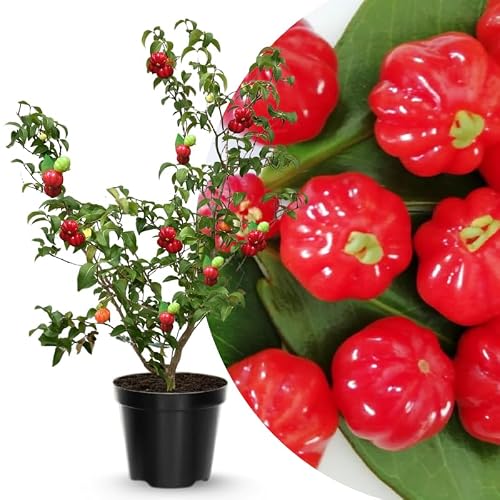
Live purple star apple tree: well-rooted plant 2-3 feet tall grown in one gallon pot. No ship to CA

You will receive 1 Starfruit plant. It stands 2-3 feet tall and comes in a 3-gallon nursery container. No ship to CA
Providing Adequate Light and Temperature
Position your indoor star fruit tree in a location that receives plenty of bright, indirect sunlight and maintains a consistent temperature between 65-85°F to promote healthy growth. Adequate light is crucial for fruit production, so consider using artificial grow lights if natural light is insufficient. LED or fluorescent grow lights can supplement natural light and ensure your tree gets the required light intensity.
To maintain the optimal temperature range, avoid placing the tree near drafty windows or heat sources that could cause fluctuations. Indoor gardening requires attention to detail, so invest in a thermometer to monitor temperature fluctuations. Additionally, consider using shades or curtains to protect the tree from excessive heat or cold.
Recommended Products

Full Spectrum Grow Lights for Plants: The seed start grow lights is equipped with 108 led just like natural sunlight. This full spectrum led grow light for indoor plants provide better support for all growing indoor plants from seedling, germination to flowering and fruiting stages

Efficient Full Spectrum LED Lights:This six heads grow light contains 2 spectrums: red light and white light to simulate the natural environment for plants and promote photosynthesis, which can meet the light conditions most needed by plants at different stages
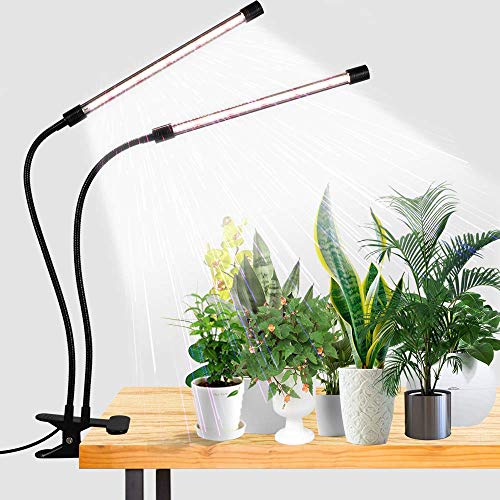
6000K White Light - equipped with 10 Red + 74 White LEDs, this growing Lamp is similar to the full-spectrum sunlight at noon,that is professionally designed for indoor garden plants.Moreover, its color rendering index is as high as 95, the light is soft and flicker-free, which is very suitable for reading lamp
Watering and Fertilizing Guidelines
After ensuring your indoor star fruit tree is positioned in a spot with adequate light and consistent temperature, it's crucial to establish proper watering and fertilizing guidelines for its optimal growth and fruit production.
When it comes to watering, it's essential to keep the soil consistently moist but not waterlogged. Star fruit trees thrive in well-draining soil, so a loose, well-aerated soil composition is key. Water the tree thoroughly when the top inch of soil feels dry.
As for fertilizing, use a balanced fertilizer every 4-6 weeks during the growing season, following the instructions on the label.
Additionally, consider pruning techniques to maintain the tree's shape and encourage fruit production. Regular pruning helps remove dead or crowded branches, allowing for better air circulation and light penetration.
With the right soil, watering, fertilizing, and pruning, your indoor star fruit tree can flourish and bear fruit.
Recommended Products

Package contains 6 organic fruit and citrus fertilizer spikes and is produced to avoid wasteful runoff, mess, hazards and smells
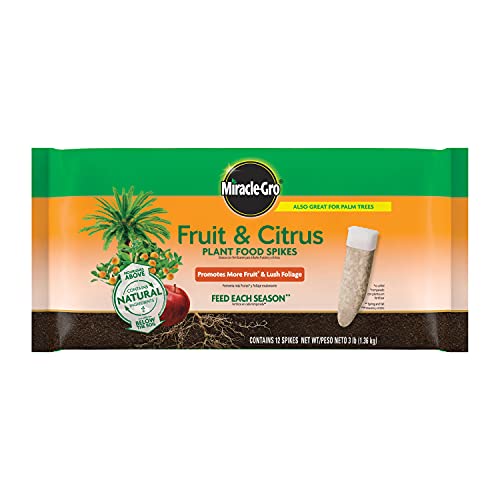
FORMULATED FOR CITRUS AND FRUIT TREES: Use these citrus fertilizer spikes on apple, orange, lemon, lime, and avocado trees; this formula is also great for feeding palm trees

Package contains 4 Pounds organic fruit and citrus fertilizer grains and is produced to avoid wasteful runoff, mess, hazards and smells
Handling Pest and Disease Control
To ensure the health and vigor of your indoor star fruit tree, it's essential to implement effective pest and disease control measures.
Integrated pest management (IPM) is a holistic approach that combines natural remedies and, if necessary, chemical control to combat pests and diseases.
Regularly inspect your tree for any signs of infestation or disease, and promptly address any issues that arise.
Consider introducing beneficial insects like ladybugs or lacewings, which can help control pests naturally.
Additionally, maintaining proper air circulation and avoiding over-fertilization can prevent certain diseases.
If the situation calls for it, you can use horticultural oils or insecticidal soaps as a safer alternative to chemical pesticides.
Conclusion
To successfully grow star fruit trees indoors, it's important to provide the right conditions and care.
By ensuring adequate light, temperature, water, and fertilizer, and keeping an eye out for pests and diseases, you can enjoy the unique and delicious fruits all year round.
With the right knowledge and attention, cultivating these tropical trees at home is a rewarding and achievable endeavor.
Happy gardening, and may your indoor star fruit tree thrive and bear fruit for years to come!
