

Understanding whether jujube trees can pollinate themselves can be confusing. Do they need help from other trees?
This is an important question for those interested in growing jujube trees. Let's explore the world of jujube tree pollination to unravel this mystery.
Key Takeaways
- Jujube trees are predominantly self-pollinating, but some varieties may benefit from cross-pollination for increased fruit yield.
- Pollinator insects like bees, flies, and wasps, as well as wind, play a crucial role in pollinating jujube trees.
- Factors such as temperature, humidity, and wind patterns influence the efficiency of pollination in jujube trees.
- Cross-pollination results in higher fruit yields, better-quality fruit, and improved resistance to diseases and pests in jujube trees.
Jujube Tree Pollination
How do jujube trees get pollinated and what factors can affect their pollination success?
Jujube trees rely on both pollinator insects and wind pollination for successful pollination.
Pollinator insects like bees, flies, and wasps play a crucial role in transferring pollen from the male flowers to the female flowers of the jujube tree. These insects are attracted to the sweet nectar of the jujube flowers and inadvertently carry pollen as they visit multiple flowers.
Additionally, wind pollination also contributes to the pollination process, as the lightweight pollen grains are carried by the wind from male flowers to female flowers.
Factors such as the presence of pollinator insects, wind patterns, and weather conditions can affect the success of jujube tree pollination, ultimately impacting fruit production.
Recommended Products

9EzTropical - Jujube LI Tree - 2 Feet Tall
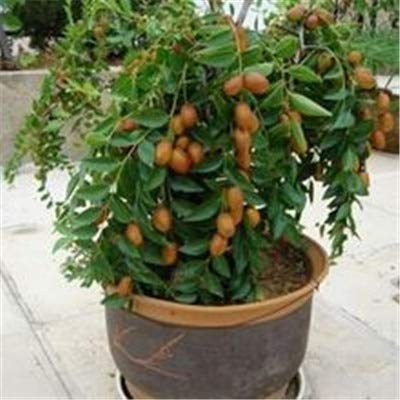
5 pcs/ lot Taiwan Big Jujube Outdoor Sweet Fruit Succulent Plant Tree Bonsai Pot Plant SeedsDIY Home Garden Easy to Grow : 6
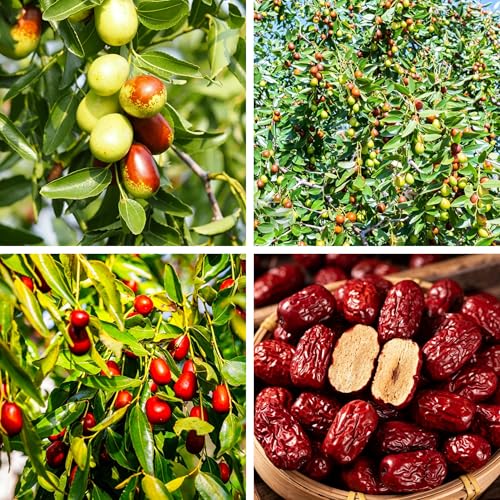
Easy to Sow: Jujube seeds adapt to most climates, low-maintenance for home gardens
Self-Pollination in Jujube Trees
Self-pollination in jujube trees occurs when the pollen from the male flower is transferred directly to the stigma of the same tree's female flower, leading to fertilization and fruit development.
Pollination methods:
- Jujube trees are predominantly self-pollinating, meaning they can produce fruit with their own pollen.
- While they're primarily self-pollinating, some jujube varieties may benefit from cross-pollination to increase fruit yield.
Pollination timing:
- Jujube trees usually bloom in late spring to early summer, and the pollination process occurs during this time.
- The flowers of jujube trees are typically receptive to pollen for a short period, making timely pollination crucial for successful fruit development.
Self-pollination in jujube trees is a reliable method for fruit production, but understanding pollination methods and timing can further enhance fruit yield.
Recommended Products

Produces sweet and nutritious fruits that are packed with vitamins

This plant produces large, round fruits with a crisp texture and sweet apple-like flavor.
Produces sweet and nutritious fruits that are packed with vitamins
Factors Affecting Jujube Tree Pollination
Understanding the key factors that influence jujube tree pollination can significantly impact fruit yield and quality. Pollination methods play a crucial role in jujube tree fruit production. While jujube trees are capable of self-pollination, having multiple trees in close proximity can enhance cross-pollination and increase fruit set.
Additionally, environmental factors such as temperature, humidity, and wind can influence the efficiency of pollination. Warm, dry weather with minimal wind can promote successful pollination, while excessive rain or extreme temperatures may hinder the process.
It's important to consider these factors when planning jujube tree orchards to optimize pollination and ensure a bountiful harvest. By understanding and managing these factors, you can maximize the potential of your jujube trees for optimal fruit production.
Cross-Pollination in Jujube Trees
To maximize jujube tree fruit production, ensuring cross-pollination through the presence of multiple trees in close proximity is essential. Cross-pollination occurs when the pollen from one jujube tree is transferred to the stigma of another tree, leading to improved fruit set and quality.
Here's why cross-pollination is crucial for jujube trees:
- Pollination Methods: Jujube trees primarily rely on insects like bees for pollination. When multiple trees are nearby, the chances of cross-pollination increase as bees move from tree to tree, carrying pollen along.
- Genetic Diversity: Cross-pollination promotes genetic diversity in jujube trees, leading to healthier and more vigorous offspring. This diversity can enhance resistance to diseases and pests, ensuring the long-term health of the jujube tree population.
- Fruit Yield: Cross-pollination often results in higher fruit yields and better-quality fruit due to increased fertilization and genetic variation.
Ensuring Proper Pollination for Jujube Trees
To ensure robust pollination for your jujube trees, consider planting a variety of cultivars in close proximity to maximize cross-pollination and achieve optimal fruit production. Jujube trees are primarily pollinated by wind and insects, so having different cultivars nearby increases the chances of successful pollination.
Additionally, be mindful of the pollination timing. Jujube trees usually flower in late spring to early summer, and it's crucial to ensure that the cultivars you plant have overlapping flowering times to facilitate cross-pollination. Some cultivars may not flower at the same time, so it's essential to select suitable combinations for effective pollination.
Conclusion
Encouraging cross-pollination is key for a better jujube fruit yield. Although the trees can self-pollinate, factors like pollinators and environmental conditions are crucial. By understanding and promoting proper pollination, a healthy and bountiful harvest can be ensured.
Consider the impact of these factors on your jujube trees for a successful yield.
