
Close Menu
    Fruit Tree Hub
    • Home
    • Apple Trees
    • Lemon Trees
    • Mango Trees
    • Orange Trees
    • More Trees
      • Best Fruit Trees
      • Apricot Trees
      • Cherry Trees
      • Fig Trees
      • Lime Trees
      • Mulberry Trees
      • Peach Trees
      • Pear Trees
      • Plum Trees
      • Pomegranate Trees
    • Tips and Advice
      • Tools
    • About Us
      • Contact
      • Privacy Policy
    Fruit Tree Hub
    Home»Loquat Trees»Where to Find Wild Loquat Trees
    Loquat Trees

    Where to Find Wild Loquat Trees

    Lucy SmithBy Lucy SmithMarch 3, 20245 Mins Read
    Share Facebook Twitter Pinterest WhatsApp Email
    Share
    Facebook Twitter LinkedIn Pinterest Telegram Email

    Loquat trees, famous for their sweet and tangy fruit, can be found in surprising places like urban areas, parks, suburbs, and forests. They adapt well to various climates, including Mediterranean ones, so you might come across them unexpectedly.

    Contents show
    1 Key Takeaways
    2 Urban Areas
    3 Parks and Gardens
    4 Suburban Neighborhoods
    5 Forested Regions
    6 Mediterranean Climates
    7 Conclusion

    Interested in foraging for wild fruits? Stay tuned to discover the intriguing locations where these elusive trees may be hiding, waiting to be found.

    Key Takeaways

    • Loquat trees can be found in a variety of environments including urban areas, parks, gardens, suburban neighborhoods, and forested regions.
    • The distinctive features of loquat trees, such as their large glossy leaves and small yellow-orange fruits, make them easy to identify.
    • Loquat trees provide a connection to nature in different environments, adding beauty and charm to their surroundings.
    • Community fruit-picking events and the enjoyment of picking and eating ripe loquats foster a sense of community and appreciation for nature.

    Urban Areas

    When living in urban areas, you may encounter wild loquat trees peeking out from alleyways and along busy streets, adding a touch of unexpected greenery to the cityscape. These trees are a delightful surprise for fruit foraging enthusiasts.

    Their distinctive large, glossy leaves and small, yellow-orange fruits make them easy to identify. The sweet, tangy flavor of the loquat fruit is a delightful treat for those who stumble upon these urban treasures.

    Tree identification can be an enjoyable activity, with the unique shape and color of the loquat fruit making it an easily recognizable find. Exploring urban areas for these hidden fruit-bearing trees can be a rewarding experience, providing a connection to nature amid the hustle and bustle of city life.

    MUST READ
    Are Loquat Trees Self-Pollinating

    Parks and Gardens

    Amid the urban landscape, the allure of wild loquat trees seamlessly extends into the lush greenery of parks and gardens, offering a delightful surprise for nature enthusiasts. When exploring these natural havens, keep an eye out for the following:

    • Fruit picking: Look for ripe loquats hanging from the trees, ready to be plucked and enjoyed.
    • Tree identification: Take the time to learn about the distinctive features of loquat trees, such as their glossy leaves and clusters of small, yellow-orange fruits.
    • Scenic beauty: Enjoy the picturesque sight of loquat trees interspersed among other flora, adding a touch of exotic charm to the surroundings.
    • Wildlife observation: Observe the diverse array of birds and insects that are attracted to the sweet nectar and fruit of the loquat trees.
    • Relaxation: Take a moment to unwind and appreciate the tranquil ambiance of these natural spaces.

    Recommended Products

    Loquat Fruit Tree Seeds (Eriobotrya Japonica) – 3 Heirloom Non-GMO Seeds by Isla’s Garden Seeds, Evergreen Tropical Tree, Sweet Golden Fruit, Spring Harvest, Backyard Orchard Favorite, Gift Idea
    Loquat Fruit Tree Seeds (Eriobotrya Japonica) – 3 Heirloom Non-GMO Seeds by Isla’s Garden Seeds, Evergreen Tropical Tree, Sweet Golden Fruit, Spring Harvest, Backyard Orchard Favorite, Gift Idea

    🌿Fruit Tree: The Loquat tree is a beautiful tropical-style evergreen known for its glossy dark green leaves, fragrant white flower clusters, and sweet golden-orange fruit. This unique fruit tree adds year-round structure to landscapes while producing flavorful spring harvests once established. A rewarding choice for backyard orchards and warm-climate gardens.

    VIEW LATEST PRICE

    As an affiliate, we earn on qualifying purchases.

    Loquat Tree Live Plant, Golden Loquat Plant Live, Cold Hardy Fruit Tropical Plant, Home Orchard Planting, 4 Inc Pot
    Loquat Tree Live Plant, Golden Loquat Plant Live, Cold Hardy Fruit Tropical Plant, Home Orchard Planting, 4 Inc Pot

    Produces sweet, golden loquat fruits when mature, ideal for home gardens or patios. No ship to CA

    MUST READ
    Can Loquat Trees Survive Frost
    VIEW LATEST PRICE

    As an affiliate, we earn on qualifying purchases.

    Home-X Fruit Picker Basket - Sturdy Tree Picker Tool with Adjustable Knob - Apple, Avocado, Peach, Pear, Lemon Grabber
    Home-X Fruit Picker Basket - Sturdy Tree Picker Tool with Adjustable Knob - Apple, Avocado, Peach, Pear, Lemon Grabber

    𝐆𝐞𝐧𝐭𝐥𝐞 𝐅𝐫𝐮𝐢𝐭 𝐇𝐚𝐫𝐯𝐞𝐬𝐭𝐢𝐧𝐠: Home-X fruit picking basket features uniquely designed finger-like prongs that gently grasp and pull apples, peaches, and more from branches without causing bruising or damage to the delicate fruit.

    VIEW LATEST PRICE

    As an affiliate, we earn on qualifying purchases.

    Suburban Neighborhoods

    In suburban neighborhoods, wild loquat trees bring a touch of natural beauty and vibrancy to the residential setting, offering a delightful sight for both residents and visitors. Many homeowners in these areas have embraced backyard cultivation, planting loquat trees to enjoy their delicious fruits.

    The trees' glossy foliage and clusters of small, yellow or orange fruits add a charming aesthetic to the neighborhood landscape. Residents often look forward to the fruit harvesting season, when they can pluck the ripe, tangy-sweet loquats for snacking or making preserves. Some even organize community fruit-picking events, fostering a sense of camaraderie among neighbors.

    The sight of children climbing the trees to gather the fruits and families coming together to enjoy the harvest further adds to the warmth and appeal of suburban life.

    Recommended Products

    Mixrug 10+ Wild Plum Trees Fruit Seeds for Planting Outdoor-Perennial Native Prunus Seeds Americana Non-GMO Heirloom Fruit Trees Seed for Home Outdoor Garden
    Mixrug 10+ Wild Plum Trees Fruit Seeds for Planting Outdoor-Perennial Native Prunus Seeds Americana Non-GMO Heirloom Fruit Trees Seed for Home Outdoor Garden

    American Red Plum (Prunus americana): The American Red Plum is a common shrub or small tree, often found along roadsides. Fruits are yellow to red in color and used for jellies and jams. Found from Massachusetts to Manitoba, South to Georgia, New Mexico and Utah
    MUST READ
    How to Treat Common Loquat Tree Diseases
    VIEW LATEST PRICE

    As an affiliate, we earn on qualifying purchases.

    10+ Wild Plum Tree Fruit Seeds for Planting Outdoor-Perennial Non-GMO Fruit Tree Seeds-Sweet and Juice
    10+ Wild Plum Tree Fruit Seeds for Planting Outdoor-Perennial Non-GMO Fruit Tree Seeds-Sweet and Juice

    Versatile Fruit Use: The plums produced can be eaten fresh as a snack and are well-suited for home kitchen projects like creating preserves, jams, and baked goods.

    VIEW LATEST PRICE

    As an affiliate, we earn on qualifying purchases.

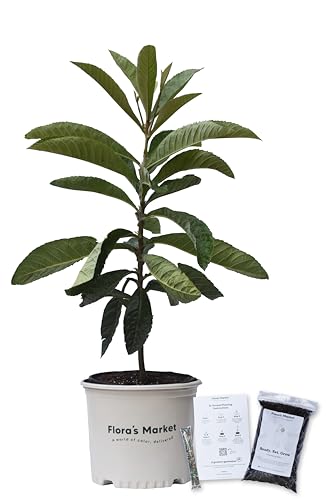
    Seedling Loquat Tree Live Plant 3 Gallon, Loquat Fruit Tree 2 to 3ft Tall, Sweet Fruit Tree Growing Plant, No Ship to CA
    Seedling Loquat Tree Live Plant 3 Gallon, Loquat Fruit Tree 2 to 3ft Tall, Sweet Fruit Tree Growing Plant, No Ship to CA

    Seedling Loquat Tree: Live plant 2–3 feet tall grown in a 3-gallon pot, suitable for outdoor garden planting, No Ship To CA

    VIEW LATEST PRICE

    As an affiliate, we earn on qualifying purchases.

    Forested Regions

    In forested regions, the wild loquat trees thrive in their natural habitat, contributing to the lush greenery and biodiversity of the area with their glossy foliage and abundant fruits. These regions are vital for the preservation of wildlife habitats and are the focus of conservation efforts to ensure the sustainability of the ecosystem.

    The wild loquat trees play a crucial role in maintaining biodiversity and are of immense ecological significance in these areas. As you explore forested regions, keep an eye out for these remarkable trees, which aren't only visually stunning but also provide essential sustenance for various wildlife species.

    The wild loquat trees enhance the natural beauty of the forested landscapes and are a testament to the importance of preserving these habitats.

    Mediterranean Climates

    Embracing the warmth and abundant sunshine, Mediterranean climates provide an ideal environment for the wild loquat trees to flourish and produce their delectable fruits. The mild, wet winters and hot, dry summers characteristic of Mediterranean regions create the perfect conditions for loquat cultivation. The trees thrive in well-drained, fertile soil and are remarkably resilient to drought, making them well-suited to the Mediterranean climate.

    MUST READ
    The Best Soil Types for Loquat Trees

    When it comes to loquat fruit picking, the Mediterranean climate ensures a bountiful harvest. The trees typically bear fruit in the spring and early summer, with the sweet, tangy loquats ready for picking when they turn from green to a bright yellow-orange. The warm, sunny days and cool nights of Mediterranean climates contribute to the development of the loquat's distinctive flavor, making each fruit a true delight to savor.

    Conclusion

    Keep an eye out for wild loquat trees in urban areas, parks, suburban neighborhoods, and forested regions.

    If you're in a Mediterranean climate, you might even find them in your own backyard.

    Happy hunting and enjoy the beauty of these fruit-bearing trees!

    Share. Facebook Twitter Pinterest LinkedIn Tumblr Email
    lucy smith
    Lucy Smith
    • Website

    Lucy Smith is a highly experienced horticulturist with a passion for fruit tree cultivation. She holds a degree in Horticulture from the University of California, Davis, and has worked in various roles in the industry. With over 10 years of experience, Lucy is dedicated to using eco-friendly methods for sustainable gardening practices.

    Related Posts

    Why Do Loquat Trees Produce Edible Fruit

    March 5, 2024

    Can Loquat Trees Adapt to Climate Change

    March 5, 2024

    Creating a Wildlife Habitat With Loquat Trees

    March 5, 2024

    Where Are Loquat Trees Considered Invasive

    March 5, 2024

    Is Loquat Tree Pollen Allergenic

    March 5, 2024

    Can Loquat Trees Be Used in Traditional Medicine

    March 5, 2024
    Leave A Reply Cancel Reply

    Affiliate Disclosure

    As an Amazon Associate I earn from qualifying purchases.

    Recommended Reading

    How to Prune New Fruit Trees for Healthy Growth and Bountiful Harvests

    When to Spray Fruit Trees for Leaf Curl to Ensure Healthy Growth and Abundant Harvests

    Can Guava Trees Grow in Charlotte, NC? Piedmont Growth Tips

    How to get rid of ants on lime tree?

    Will Fruit Trees Grow in Clay Soil: Tips for Thriving Harvests in Challenging Conditions

    Quince Trees in a Pot in Kentucky: Professional Planting Tips

    Are Tamarind Trees Self-Pollinating

    Top Fruit Trees for Acidic Soil: Cultivating a Thriving Orchard in Challenging Conditions

    How Long for Pear Tree to Bear Fruit: Factors That Impact Fruiting Time and Tips for Success

    How to Propagate Walnut Trees From Seeds

    Fruit Tree Hub

    Fruit Tree Hub is a website dedicated to providing you everything you need to grow fruit trees successfully at in your own yard.

    Contact us at: [email protected]

    - AFFILIATE DISCLOSURE: As an Amazon Associate I earn from qualifying purchases.

    Latest Posts

    Guava Trees in Buffalo, NY: Lake Effect Survival Guide

    Loquat Trees in South Carolina: Southern Growth Secrets

    Lime Trees in Irvine, CA: Coastal Soil Management Secrets

    Guava Trees in Kansas: Heat and Wind Survival Strategies

    Persimmon Trees in New Hampshire (Northern Hardiness Solutions)

    Walnut Trees in Rhode Island (Coastal Growth Strategies)

    Orange Trees in Jacksonville, FL: Subtropical Variety Selection

    Quince Trees in North Carolina (Piedmont Regional Guide)

    Categories
    • Almond Trees
    • Apple Trees
    • Apricot Trees
    • Best Fruit Trees
    • Blackberry
    • Cantaloupe
    • Cherry Trees
    • Crochet Ideas
    • Crochet Ideas for Beginners
    • Cucamelon
    • Easy Crochet Ideas
    • Easy Knitting Projects
    • Fig Trees
    • Grapefruit Trees
    • Grapes
    • Guava Trees
    • Honeydew
    • Jujube Trees
    • Kiwi
    • Knitting For Beginners
    • Knitting Ideas
    • Knitting Inspiration
    • Lemon Trees
    • Lime Trees
    • Loquat Trees
    • Mango Trees
    • Mulberry Trees
    • Nectarine Trees
    • Olive Trees
    • Orange Trees
    • Papaya Trees
    • Peach Trees
    • Pear Trees
    • Persimmon Trees
    • Planting
    • Plum Trees
    • Pomegranate Trees
    • Quince Trees
    • Raspberry
    • Reviews
    • Small Crochet Ideas
    • Star Fruit Trees
    • Summer Crochet Ideas
    • Tamarind Trees
    • Tangerine Trees
    • Tips and Advice
    • Tools
    • Uncategorized
    • Walnut Trees
    © 2026 Fruit Tree Hub
    • Home
    • About Us
    • Contact
    • Privacy Policy
    • Terms and Conditions
    • Disclaimer
    • Editorial Policy
    • Affiliate Disclosure

    Type above and press Enter to search. Press Esc to cancel.