
Close Menu
    Fruit Tree Hub
    • Home
    • Apple Trees
    • Lemon Trees
    • Mango Trees
    • Orange Trees
    • More Trees
      • Best Fruit Trees
      • Apricot Trees
      • Cherry Trees
      • Fig Trees
      • Lime Trees
      • Mulberry Trees
      • Peach Trees
      • Pear Trees
      • Plum Trees
      • Pomegranate Trees
    • Tips and Advice
      • Tools
    • About Us
      • Contact
      • Privacy Policy
    Fruit Tree Hub
    Home»Fruit Trees»Quince Trees»Are Quince Trees Beneficial for Pollinators
    Quince Trees

    Are Quince Trees Beneficial for Pollinators

    Lucy SmithBy Lucy SmithFebruary 25, 20244 Mins Read
    Share Facebook Twitter Pinterest WhatsApp Email
    Share
    Facebook Twitter LinkedIn Pinterest Telegram Email

    Quince trees can help your garden thrive and support local pollinators like bees and butterflies. These trees offer a rich source of pollen and nectar, attracting a variety of beneficial insects.

    Contents show
    1 Key Takeaways
    2 Quince Tree Pollen and Nectar
    3 Pollinator Attraction to Quince Trees
    4 Impact of Quince Trees on Pollinator Population
    5 Quince Tree Blooming Period
    6 Best Practices for Pollinator-Friendly Quince Tree Care
    7 Conclusion

    But are quince trees really good for pollinators? Let's explore their impact on the pollinator population and what makes them effective.

    Key Takeaways

    • Quince trees rely on pollen and nectar to attract pollinators, making them beneficial for pollinators.
    • Surrounding the quince tree with diverse nectar sources and integrating it into a diverse ecosystem increases its attractiveness to pollinators.
    • Quince trees positively impact the abundance and diversity of pollinators, fostering a thriving community of beneficial insects.
    • The blooming period of quince trees during early spring provides a vital food source for pollinators emerging from winter dormancy, benefiting both the trees and the surrounding ecosystem.

    Quince Tree Pollen and Nectar

    When caring for your quince trees, it's essential to understand the significance of their pollen and nectar in attracting and nourishing pollinators. Quince tree pollination relies on these resources to entice bees, butterflies, and other beneficial insects.

    The nectar produced by quince trees serves as a vital food source for pollinators, providing them with the energy they need for their essential role in the pollination process. Additionally, quince trees offer a diverse range of nectar sources, attracting various pollinator species, thus promoting biodiversity in your garden.

    MUST READ
    Can Quince Trees Be Trained for Espalier

    Recommended Products

    20 Common Culinary Quince Fruit Tree Cydonia Oblonga Flowering Shrub Seeds
    20 Common Culinary Quince Fruit Tree Cydonia Oblonga Flowering Shrub Seeds

    CULINARY QUINCE: 20 seeds of Cydonia Oblonga, a versatile fruit tree that produces large golden yellow fruits measuring 6-8 inches in diameter and weighing over 2 pounds each.

    VIEW LATEST PRICE

    As an affiliate, we earn on qualifying purchases.

    Pollinator Attraction to Quince Trees

    To attract pollinators to your quince trees, ensure that the surrounding environment provides a diverse range of nectar sources to entice a variety of beneficial insects. Pollinator behavior is influenced by the availability of food sources, so integrating your quince trees into a diverse ecosystem can significantly increase their attractiveness to pollinators.

    By planting companion plants that bloom at different times throughout the growing season, you can provide a continuous supply of nectar, attracting and supporting a wide range of pollinators. Additionally, creating habitat features such as hedgerows, wildflower meadows, or insect hotels near your quince trees can further enhance their appeal to pollinators.

    Impact of Quince Trees on Pollinator Population

    By creating a diverse ecosystem around your quince trees, you can significantly influence the local pollinator population, fostering a thriving community of beneficial insects. Quince tree habitats provide a plethora of floral resources, which attract and support a rich variety of pollinators. This, in turn, contributes to an increase in pollinator diversity within the surrounding area.

    The presence of quince trees can positively impact the abundance and diversity of bees, butterflies, and other pollinating insects. These trees offer a source of nectar and pollen, serving as a critical food and habitat resource for pollinators. As a result, the overall health and resilience of the pollinator population in your garden or local environment can be greatly enhanced by the presence of quince trees, creating a more vibrant and sustainable ecosystem.

    MUST READ
    Can Quince Trees Be Grown in Pots

    Quince Tree Blooming Period

    During the flowering season, quince trees exhibit a breathtaking display of delicate blossoms, attracting a myriad of pollinators to your garden.

    The seasonal bloom of quince trees typically occurs in early spring, offering a vital food source for pollinators emerging from winter dormancy.

    The flowering period of quince trees is a crucial time for insect interaction, as bees, butterflies, and other pollinators are drawn to the abundant nectar and pollen.

    This period of heightened pollinator activity not only benefits the quince trees but also supports the overall health and biodiversity of the surrounding ecosystem.

    Observing the bustling activity of pollinators during the quince tree's blooming period isn't only a beautiful sight but also a testament to the tree's significance in providing sustenance for these essential creatures.

    Recommended Products

    one Live Edible Quince Tree Seedling, just sprouted, in Large 6" Pot Fruit
    one Live Edible Quince Tree Seedling, just sprouted, in Large 6" Pot Fruit

    LIVE QUINCE SEEDLING: Receive one freshly sprouted, live edible quince tree seedling ready to grow and thrive.

    VIEW LATEST PRICE

    As an affiliate, we earn on qualifying purchases.

    Cameo Flowering Quince - Live Plant Shipped 2 to 3 Feet Tall by DAS Farms
    Cameo Flowering Quince - Live Plant Shipped 2 to 3 Feet Tall by DAS Farms

    Do not transplant into another container, only the ground. All pictures are of fully grown plants. Sizes shipped are in the title and description. Deciduous plants do not have leaves in the winter.

    VIEW LATEST PRICE

    As an affiliate, we earn on qualifying purchases.

    White Japanese Lilac Tree Seeds - 100 Heirloom Seeds for Planting, Fragrant Flowering Tree for Pollinator Gardens, Landscaping & Privacy Screens, USDA Zones 3-7
    White Japanese Lilac Tree Seeds - 100 Heirloom Seeds for Planting, Fragrant Flowering Tree for Pollinator Gardens, Landscaping & Privacy Screens, USDA Zones 3-7

    🌿 Germination-tested before packing : Our packet contains 100 premium heirloom seeds of Syringa reticulata, carefully selected for optimal germination. Grown and packed in the USA, these seeds ensure you cultivate a truly authentic, enduring flowering tree for generations to enjoy.

    MUST READ
    How to Create a Quince Tree Orchard
    VIEW LATEST PRICE

    As an affiliate, we earn on qualifying purchases.

    Best Practices for Pollinator-Friendly Quince Tree Care

    When caring for your quince tree to promote a pollinator-friendly environment, consider incorporating organic fertilizers and avoiding chemical pesticides to maintain a healthy ecosystem for the essential pollinators.

    Pruning techniques play a crucial role in ensuring optimal pollinator-friendly quince tree care. Regular pruning helps maintain the tree's shape, encourages airflow, and allows sunlight to reach the lower branches, promoting better fruit production and overall tree health. Proper timing is essential, and it's best to prune during the tree's dormant season to minimize stress and maximize recovery.

    Additionally, fertilizer application is key to supporting pollinators. Choose organic, slow-release fertilizers to provide a steady supply of nutrients without harming beneficial insects. Applying fertilizer in early spring, just before the growing season, can help boost the tree's health and, in turn, support pollinators.

    Recommended Products

    Osmocote Smart-Release Plant Food Plus Outdoor & Indoor1, 2 lb. | Granular, Continuous Release Plant Fertilizer with 11 Essential Nutrients
    Osmocote Smart-Release Plant Food Plus Outdoor & Indoor1, 2 lb. | Granular, Continuous Release Plant Fertilizer with 11 Essential Nutrients

    CONTINUOUS RELEASE NUTRITION: Osmocote Smart-Release Plant Food Plus Outdoor & Indoor1 granular fertilizer contains 11 essential nutrients and feeds live plants up to 6 full months
    VIEW LATEST PRICE

    As an affiliate, we earn on qualifying purchases.

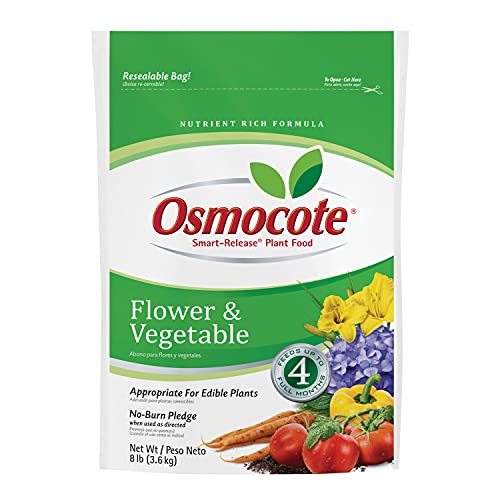
    Osmocote Smart-Release Plant Food Flower & Vegetable, 8 lb. | Continuous Release Plant Fertilizer for Vegetables and More
    Osmocote Smart-Release Plant Food Flower & Vegetable, 8 lb. | Continuous Release Plant Fertilizer for Vegetables and More

    OSMOCOTE’S HIGHEST TOTAL NUTRIENT FORMULA: 14-14-14 NPK - favored for seasonal vegetables and perennials; use this plant food outdoors to promote strong roots as well as vigorous and bountiful above-ground growth.

    VIEW LATEST PRICE
    MUST READ
    Where to Find the Oldest Quince Trees

    As an affiliate, we earn on qualifying purchases.

    RAINFLOW 11.28 OZ Slow Release Fertilizer - 17-17-17 All Purpose for Plants | Organic Plant Food for Most Potted,Fruit & Vegetable,Bulbs,Flowering,Leafy Plants Indoor & Outdoor Garden Fertilizers
    RAINFLOW 11.28 OZ Slow Release Fertilizer - 17-17-17 All Purpose for Plants | Organic Plant Food for Most Potted,Fruit & Vegetable,Bulbs,Flowering,Leafy Plants Indoor & Outdoor Garden Fertilizers

    Balanced Nitrogen Fertilizer Formula: This slow release fertilizer contains 17-17-17 NPK to provide complete nutritional support for lush foliage and healthy plant growth and is suitable for various gardening and agricultural needs

    VIEW LATEST PRICE

    As an affiliate, we earn on qualifying purchases.

    Conclusion

    In summary, quince trees play a vital role in supporting pollinators by providing a rich source of pollen and nectar.

    Their blooming period offers essential sustenance for these important creatures, contributing to the overall health of our ecosystems.

    By nurturing and caring for quince trees in a pollinator-friendly manner, we can continue to bolster their positive impact on our environment.

    Let's keep fostering a welcoming habitat for pollinators and appreciating the valuable role quince trees play in their wellbeing.

    Share. Facebook Twitter Pinterest LinkedIn Tumblr Email
    lucy smith
    Lucy Smith
    • Website

    Lucy Smith is a highly experienced horticulturist with a passion for fruit tree cultivation. She holds a degree in Horticulture from the University of California, Davis, and has worked in various roles in the industry. With over 10 years of experience, Lucy is dedicated to using eco-friendly methods for sustainable gardening practices.

    Related Posts

    Why Do Quince Trees Produce Large Flowers

    February 27, 2024

    Can Quince Trees Adapt to Climate Change

    February 27, 2024

    Creating a Wildlife Habitat With Quince Trees

    February 27, 2024

    Where Are Quince Trees Considered Invasive

    February 27, 2024

    Is Quince Tree Pollen Allergenic

    February 26, 2024

    Can Quince Trees Be Used in Traditional Medicine

    February 26, 2024
    Leave A Reply Cancel Reply

    Affiliate Disclosure

    As an Amazon Associate I earn from qualifying purchases.

    Recommended Reading

    Orange Trees in a Pot in Kansas: Protection from Wind and Heat

    How to Root Fruit Tree Cuttings for a Thriving Home Orchard Experience

    Which Tree Gives the Most Fruit: Discover the Top-Yielding Options for Your Garden

    Can Fruit Trees Be Planted in the Fall: Tips for Successful Root Development and Care

    Should You Remove Fruit from Young Trees for Healthier Growth and Future Bounty?

    Lemon Trees in Pennsylvania (Keystone State Planting Secrets)

    How Long Do Citrus Trees Take to Produce Fruit and Tips for Faster Harvests

    Plum Trees in Kentucky: Bluegrass Region Climate Analysis

    Grapefruit Trees in Baton Rouge, LA: Southern Growth Guide

    When Do Crab Apple Trees Fruit: A Complete Guide to Timing and Care

    Fruit Tree Hub

    Fruit Tree Hub is a website dedicated to providing you everything you need to grow fruit trees successfully at in your own yard.

    Contact us at: [email protected]

    - AFFILIATE DISCLOSURE: As an Amazon Associate I earn from qualifying purchases.

    Latest Posts

    18 Coastal Crochet Tops in White and Neutral Shades

    16 Retro Crochet Tops Built Around Multicolor Granny Squares

    16 Modest Crochet Tops Featuring Higher Necklines

    19 Cottagecore Crochet Tops With Square Necklines

    13 Ruffled Crochet Tops With Flared Hems

    19 Lace Crochet Tops Featuring Intricate Openwork

    14 Floral Crochet Tops Inspired by Botanical Motifs

    20 Boho Crochet Halter Tops for Festival Outfits

    Categories
    • Almond Trees
    • Apple Trees
    • Apricot Trees
    • Best Fruit Trees
    • Blackberry
    • Cantaloupe
    • Cherry Trees
    • Christmas Crochet Ideas
    • Crochet Bag Ideas
    • Crochet Blanket Ideas
    • Crochet Dress Ideas
    • Crochet Ideas
    • Crochet Ideas for Beginners
    • Crochet Top Ideas
    • Cucamelon
    • Easy Crochet Ideas
    • Easy Knitting Projects
    • Fall Crochet Ideas
    • Fig Trees
    • Grapefruit Trees
    • Grapes
    • Guava Trees
    • Halloween Crochet Ideas
    • Honeydew
    • Jujube Trees
    • Kiwi
    • Knitting For Beginners
    • Knitting Ideas
    • Knitting Inspiration
    • Lemon Trees
    • Lime Trees
    • Loquat Trees
    • Mango Trees
    • Mulberry Trees
    • Nectarine Trees
    • Olive Trees
    • Orange Trees
    • Papaya Trees
    • Peach Trees
    • Pear Trees
    • Persimmon Trees
    • Planting
    • Plum Trees
    • Pomegranate Trees
    • Quince Trees
    • Raspberry
    • Reviews
    • Small Crochet Ideas
    • Star Fruit Trees
    • Summer Crochet Ideas
    • Tamarind Trees
    • Tangerine Trees
    • Tips and Advice
    • Tools
    • Uncategorized
    • Walnut Trees
    • Winter Crochet Ideas
    © 2026 Fruit Tree Hub
    • Home
    • About Us
    • Contact
    • Privacy Policy
    • Terms and Conditions
    • Disclaimer
    • Editorial Policy
    • Affiliate Disclosure

    Type above and press Enter to search. Press Esc to cancel.