Close Menu
    Fruit Tree Hub
    • Home
    • Apple Trees
    • Lemon Trees
    • Mango Trees
    • Orange Trees
    • More Trees
      • Best Fruit Trees
      • Apricot Trees
      • Cherry Trees
      • Fig Trees
      • Lime Trees
      • Mulberry Trees
      • Peach Trees
      • Pear Trees
      • Plum Trees
      • Pomegranate Trees
    • Tips and Advice
      • Tools
    • About Us
      • Contact
      • Privacy Policy
    Fruit Tree Hub
    Home»Fruit Trees»Quince Trees»How to Propagate Quince Trees From Cuttings
    Quince Trees

    How to Propagate Quince Trees From Cuttings

    Lucy SmithBy Lucy SmithFebruary 21, 20244 Mins Read
    Share Facebook Twitter Pinterest WhatsApp Email
    Share
    Facebook Twitter LinkedIn Pinterest Telegram Email

    If you want to grow your own quince trees, taking a cutting from an existing tree is the way to go. But there are some important steps to learn.

    Contents show
    1 Key Takeaways
    2 Selecting the Right Cuttings
    3 Preparing the Cuttings
    4 Planting the Cuttings
    5 Caring for the New Plants
    6 Monitoring and Maintenance
    7 Conclusion

    By understanding how to choose, prepare, plant, and care for quince tree cuttings, you'll be on your way to successfully growing these fruit-bearing trees.

    So, let's start with the first crucial step in the process.

    Key Takeaways

    • Choose healthy and vigorous cuttings with new growth and healthy leaves.
    • Trim the cuttings at a 45-degree angle just below a leaf node.
    • Plant the cuttings in a well-draining soil medium and water regularly to keep the soil consistently moist.
    • Monitor the new plants for pests, diseases, and soil fertility levels, and take prompt action to address any issues that arise.

    Selecting the Right Cuttings

    To ensure successful propagation, select cuttings that are healthy and vigorous, with a minimum length of 6 inches. When choosing your cuttings, look for ones that have a good amount of new growth and healthy leaves. Pruning techniques play a vital role in preparing the cuttings. Make sure to trim them at a 45-degree angle just below a leaf node. This will encourage root development and overall growth.

    As for soil requirements, a well-draining medium is essential for successful root development. A mix of peat moss and perlite can provide the right balance of moisture retention and aeration. It's crucial to keep the soil consistently moist without overwatering.

    MUST READ
    How to Properly Water Quince Trees

    Preparing the Cuttings

    For successful propagation, it's crucial to prepare the cuttings carefully and thoughtfully, ensuring they're in optimal condition for root development. When preparing quince tree cuttings, it's essential to use a sharp, sterilized tool to make clean cuts just below a node. Aim for 6-8 inch lengths, with the bottom cut just below a node and the top cut about an inch above a node.

    Remove any leaves from the lower half of the cutting to minimize moisture loss. Additionally, consider using rooting hormone to improve the chances of successful root development.

    As for soil preparation, choose a well-draining medium such as a mix of sand and peat moss. This will provide the ideal environment for the cuttings to establish roots and grow into healthy quince trees.

    Recommended Products
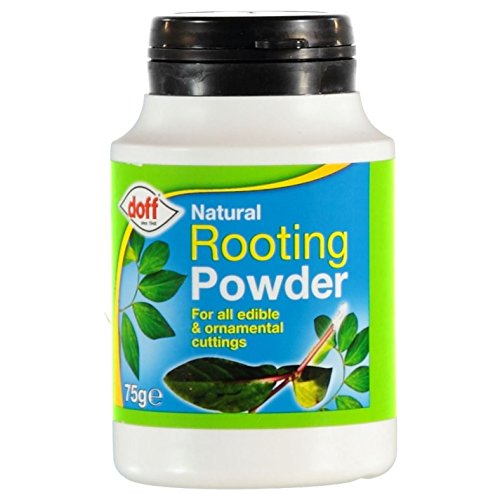
    Doff Hormone Rooting Powder Plant and Cuttings 75g Dibber Pack Rootings Power
    Doff Hormone Rooting Powder Plant and Cuttings 75g Dibber Pack Rootings Power

    Encourages rooting in all cuttings

    VIEW LATEST PRICE

    As an affiliate, we earn on qualifying purchases.

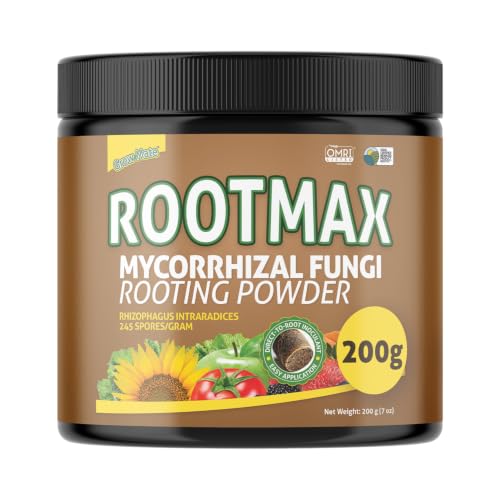
    RootMax - Mycorrhizal Fungi (200 g/7.05 oz) | Rooting Powder for All Plants, Trees, Flowers & Edibles | Direct to Root Inoculant | Treats 40+ Plants
    RootMax - Mycorrhizal Fungi (200 g/7.05 oz) | Rooting Powder for All Plants, Trees, Flowers & Edibles | Direct to Root Inoculant | Treats 40+ Plants

    Rootmax mycorrhizae a root stimulator for plants enriched with mycorrhizal fungi. It is superior to rooting hormone for cuttings & rooting gel. This advanced rooting powder proliferates root growth in all plants, trees, flowers, edibles and shrubs making them stronger & with greater vigour

    VIEW LATEST PRICE

    As an affiliate, we earn on qualifying purchases.

    BND925 - Bontone II Rooting Powder, Hormone Root Fertilizer 1.25 Oz (Тwo Рack)
    BND925 - Bontone II Rooting Powder, Hormone Root Fertilizer 1.25 Oz (Тwo Рack)

    BND925 - Bontone II Rooting Powder, Hormone Root Fertilizer 1.25 Oz (Тwo Рack)

    MUST READ
    Why Are Quince Trees Important in Historical Orchards
    VIEW LATEST PRICE

    As an affiliate, we earn on qualifying purchases.

    Planting the Cuttings

    When planting the quince tree cuttings, position them in the prepared soil medium and ensure they receive adequate moisture and light for successful root establishment and growth. Here are some key tips for planting and caring for your quince tree cuttings:

    • Planting Depth: Ensure the cuttings are planted at the right depth, burying at least half of the cutting in the soil to provide stability and encourage root development.
    • Moisture: Water the cuttings regularly to keep the soil consistently moist but not waterlogged. This helps the cuttings to establish roots and promotes healthy growth.
    • Light: Place the cuttings in a location where they can receive plenty of indirect sunlight, as this will support photosynthesis and overall growth.
    • Protection: Protect the cuttings from harsh weather conditions and pests to give them the best chance of rooting and thriving.

    Following these guidelines will increase the likelihood of successful propagation.

    Caring for the New Plants

    With proper care, your new quince tree plants will thrive and grow into healthy, productive trees.

    Water your newly propagated quince tree cuttings regularly, keeping the soil consistently moist but not waterlogged. As the plants establish roots, ensure they receive water at least once a week, adjusting based on weather conditions.

    It's important to monitor the soil nutrient requirements of your new quince tree plants. Use a balanced fertilizer to provide essential nutrients for healthy growth. A slow-release fertilizer with a balanced NPK ratio, such as 10-10-10, can support the initial growth stages.

    MUST READ
    Can Quince Trees Survive Frost

    Additionally, consider incorporating organic matter into the soil to enhance its nutrient content.

    Monitoring and Maintenance

    To ensure the health and vitality of your newly propagated quince tree cuttings, consistent monitoring and maintenance are essential for their continued growth and development.

    Here are some key tasks to keep in mind:

    • Regular Pruning: Use proper pruning techniques to shape the young tree and encourage strong, healthy growth.
    • Soil Fertility Levels: Monitor the soil fertility levels and adjust as needed to provide the necessary nutrients for the cuttings to thrive.
    • Pest and Disease Management: Keep a close eye on the plants for any signs of pests or diseases, and take prompt action to address any issues that arise.
    • Watering and Mulching: Ensure the cuttings are receiving adequate water and consider using mulch to help retain moisture and regulate soil temperature.

    Conclusion

    In nurturing your quince tree cuttings, you're embarking on a journey of patience and dedication. By selecting healthy cuttings, preparing them with care, and tending to their needs, you're laying the foundation for fruitful rewards in the years to come.

    As you watch these cuttings grow into robust trees, imagine the satisfaction of harvesting your own delicious quinces. So, with care and commitment, your quince tree cuttings will flourish, offering the sweet promise of homegrown fruit.

    Happy propagating!

    Share. Facebook Twitter Pinterest LinkedIn Tumblr Email
    lucy smith
    Lucy Smith
    • Website

    Lucy Smith is a highly experienced horticulturist with a passion for fruit tree cultivation. She holds a degree in Horticulture from the University of California, Davis, and has worked in various roles in the industry. With over 10 years of experience, Lucy is dedicated to using eco-friendly methods for sustainable gardening practices.

    Related Posts

    Why Do Quince Trees Produce Large Flowers

    February 27, 2024

    Can Quince Trees Adapt to Climate Change

    February 27, 2024

    Creating a Wildlife Habitat With Quince Trees

    February 27, 2024

    Where Are Quince Trees Considered Invasive

    February 27, 2024

    Is Quince Tree Pollen Allergenic

    February 26, 2024

    Can Quince Trees Be Used in Traditional Medicine

    February 26, 2024
    Leave A Reply Cancel Reply

    Affiliate Disclosure

    As an Amazon Associate I earn from qualifying purchases.

    Recommended Reading

    Persimmon Trees in a Pot in Mississippi: Deep South Growth Tips

    What Fruit Trees Grow in St George Utah: Best Varieties and Growing Tips for Success

    Best Fruit Trees for Full Sun: Growing Tips and Recommendations

    22 Chic Sweater Knitting Patterns For Cozy Styling

    How to Remove Moss from Fruit Trees: Effective Techniques for Healthy Growth and Better Fruit Production

    🌳 The Best Fruit Trees for Zone 5 Planting: Top Picks and Care Tips 🍎

    When Can You Move Fruit Trees: Best Practices for Successful Transplanting Techniques

    Best Fruit Trees for Asheville, NC: Choose the Perfect Varieties and Care Tips

    What Fruit Tree Should I Plant: Tips for Choosing the Perfect Option for Your Garden

    Where Do Fruit Trees Grow Best: Tips for Selecting the Perfect Location and Conditions

    Fruit Tree Hub

    Fruit Tree Hub is a website dedicated to providing you everything you need to grow fruit trees successfully at in your own yard.

    Contact us at: [email protected]

    - AFFILIATE DISCLOSURE: As an Amazon Associate I earn from qualifying purchases.

    Latest Posts

    18 Coastal Crochet Tops in White and Neutral Shades

    16 Retro Crochet Tops Built Around Multicolor Granny Squares

    16 Modest Crochet Tops Featuring Higher Necklines

    19 Cottagecore Crochet Tops With Square Necklines

    13 Ruffled Crochet Tops With Flared Hems

    19 Lace Crochet Tops Featuring Intricate Openwork

    14 Floral Crochet Tops Inspired by Botanical Motifs

    20 Boho Crochet Halter Tops for Festival Outfits

    Categories
    • Almond Trees
    • Apple Trees
    • Apricot Trees
    • Best Fruit Trees
    • Blackberry
    • Cantaloupe
    • Cherry Trees
    • Christmas Crochet Ideas
    • Crochet Bag Ideas
    • Crochet Blanket Ideas
    • Crochet Dress Ideas
    • Crochet Ideas
    • Crochet Ideas for Beginners
    • Crochet Top Ideas
    • Cucamelon
    • Easy Crochet Ideas
    • Easy Knitting Projects
    • Fall Crochet Ideas
    • Fig Trees
    • Grapefruit Trees
    • Grapes
    • Guava Trees
    • Halloween Crochet Ideas
    • Honeydew
    • Jujube Trees
    • Kiwi
    • Knitting For Beginners
    • Knitting Ideas
    • Knitting Inspiration
    • Lemon Trees
    • Lime Trees
    • Loquat Trees
    • Mango Trees
    • Mulberry Trees
    • Nectarine Trees
    • Olive Trees
    • Orange Trees
    • Papaya Trees
    • Peach Trees
    • Pear Trees
    • Persimmon Trees
    • Planting
    • Plum Trees
    • Pomegranate Trees
    • Quince Trees
    • Raspberry
    • Reviews
    • Small Crochet Ideas
    • Star Fruit Trees
    • Summer Crochet Ideas
    • Tamarind Trees
    • Tangerine Trees
    • Tips and Advice
    • Tools
    • Uncategorized
    • Walnut Trees
    • Winter Crochet Ideas
    © 2026 Fruit Tree Hub
    • Home
    • About Us
    • Contact
    • Privacy Policy
    • Terms and Conditions
    • Disclaimer
    • Editorial Policy
    • Affiliate Disclosure

    Type above and press Enter to search. Press Esc to cancel.