


Almond trees aren't just for nuts – they can also give you some great shade in your garden. But there's more to it than just planting them and waiting. You need to know which almond tree types work best for shade, and how to take care of them.
With the right info, you can turn your almond trees into a cool spot to chill out under during the hot summer. Let's find out how to make the most of these trees for shade.
Key Takeaways
- Almond trees are ideal for providing shade in landscaping and outdoor relaxation areas due to their broad, dense canopies and plentiful green leaves.
- There are several almond tree varieties that are particularly well-suited for creating shade, such as 'Nonpareil', 'Carmel', 'All-In-One', and 'Tuono'.
- When planting and caring for almond trees, it is important to choose a location with well-draining soil and full sun exposure, provide deep, infrequent waterings, regularly prune for proper growth and airflow, and apply balanced fertilizer for healthy nut production.
- Almond trees offer multiple benefits beyond shade, including improving air quality, aiding in energy conservation, supporting certain crops, and contributing to aesthetically pleasing outdoor environments.
Almond Trees and Shade Potential
Almond trees provide excellent shade, making them a popular choice for landscaping and outdoor relaxation areas. When considering shade potential, it's important to understand almond tree growth patterns.
These trees typically reach heights of 15-30 feet with a spread of 15-25 feet, creating broad, dense canopies. The leaves are green and plentiful, providing ample coverage from the sun. Almond trees are known for their fast growth, meaning you won't have to wait long for substantial shade coverage.
Their ability to produce abundant shade makes them ideal for creating cool, inviting spaces in your yard. Whether you're looking to enjoy a peaceful afternoon or host outdoor gatherings, the shade provided by almond trees enhances the comfort and beauty of your outdoor environment.
Best Almond Tree Varieties for Shade
When looking for the best almond tree varieties to create a shady retreat in your outdoor space, consider the diverse range of options available to suit your specific shade needs and aesthetic preferences.
One popular almond tree variety for providing shade is the 'Nonpareil.' It offers a wide canopy and beautiful pink blossoms, making it an attractive choice for landscaping options.
Another excellent choice is the 'Carmel' almond tree, known for its dense foliage and stunning white flowers.
If you prefer a smaller tree, the 'All-In-One' almond tree is a great option, offering a more compact size while still providing ample shade.
For a striking visual impact, the 'Tuono' almond tree, with its lush foliage and abundant shade, is a fantastic choice.
When selecting almond tree varieties for shade, consider factors such as space availability, sunlight exposure, and desired aesthetic appeal.
Recommended Products

Seed Preparation: Soak the seeds in room-temperature water for 24–48 hours to soften the outer shell and promote germination.

#1 GROWTH RATE: Fastest growing tree in the world, very attractive look, no cotton or suckers to clean up. Very Easy and Effective

🌳 3 WHITE WALNUT (BUTTERNUT) TREES Includes three live white walnut saplings (Juglans cinerea), a native hardwood tree known for producing rich, edible nuts.
Planting and Caring for Almond Trees
To ensure successful growth and health of your almond trees, proper planting and care are essential for their long-term vitality and productivity. When planting almond trees, choose a location with well-draining soil and full sun exposure. Here are some key care tips to help your almond trees thrive:
| Care Tips | Description | Timing |
|---|---|---|
| Watering | Provide deep, infrequent waterings to encourage deep root growth and reduce the risk of disease. | Throughout the year |
| Pruning | Regularly prune to remove dead or diseased wood, and shape the tree to encourage proper growth and airflow. | Winter |
| Fertilizing | Apply a balanced fertilizer in early spring, before new growth appears, to support healthy nut production. | Early spring |
| Pest Control | Monitor for pests and diseases, and take appropriate measures to protect your almond trees from infestations. | Throughout the year |
Recommended Products

Made for Lemon & Citrus Trees – Formulated to support healthy growth in lemon and citrus plants.
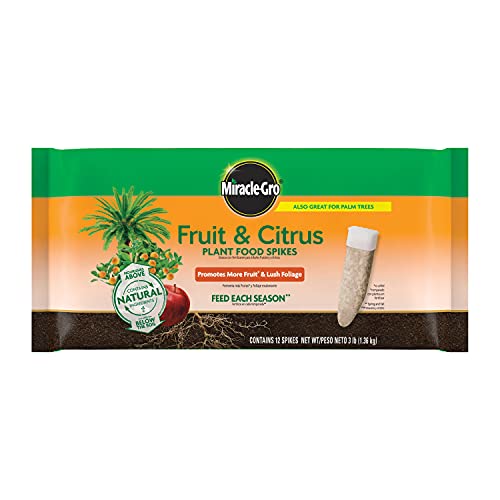
FORMULATED FOR CITRUS AND FRUIT TREES: Use these citrus fertilizer spikes on apple, orange, lemon, lime, and avocado trees; this formula is also great for feeding palm trees

Package contains 4 Pounds organic fruit and citrus fertilizer grains and is produced to avoid wasteful runoff, mess, hazards and smells
Utilizing Almond Trees for Shade
After establishing a strong foundation for your almond trees through proper planting and care, you can now explore the versatile ways to utilize them for creating refreshing shade in your outdoor spaces.
Pruning techniques play a crucial role in shaping almond trees for shade purposes. By strategically pruning the lower branches and thinning out the canopy, you can create a well-ventilated and shaded area underneath the tree.
Additionally, paying attention to soil conditions is essential. Ensuring that the soil around your almond trees is adequately nourished and watered will promote healthy growth and lush foliage, enhancing the quality of shade they provide.
With the right pruning and soil care, your almond trees can't only offer delightful nuts but also become a picturesque and functional source of shade in your outdoor environment.
Recommended Products

CHOPS THROUGH 2-INCH BRANCHES EFFORTLESSLY: The compound action mechanism multiplies your cutting power for fast removal of dry, dead and woody growth. This anvil-style blade is built for the toughest preparatory cuts and cut-to-length work, making heavy-duty pruning dramatically easy through extra leverage.

Adjustable and Durable Handle - Extendable Loppers: The lopping shears are adjustable from 16 inches to 24 inches, allowing you to handle tall branches easily. The iron arm is more sturdy and durable, and will not bend even when cutting large and thick branches.

CHOPS THROUGH 1-3/5" BRANCHES EFFORTLESSLY: Tree trimmer (Y1829) steel blade with low-friction coating helps the loppers glide through branches for a smooth cut and reduces hand fatigue, making it easier to handle tough trimming jobs. Tree branch cutter is ideal for trimming live branch & dry wood
Benefits of Using Almond Trees for Shade
Almond trees provide a cooling, dappled shade that enhances the ambiance of your outdoor space, making them a valuable addition to your landscape. The use of almond trees for shade offers numerous benefits.
Firstly, their presence has a positive environmental impact, improving air quality and reducing carbon emissions.
The shade they provide also aids in energy conservation by lowering temperatures in surrounding areas, reducing the need for excessive air conditioning.
Moreover, almond trees have various agricultural applications, such as providing a beneficial environment for certain crops to thrive.
In urban landscaping, they contribute to creating a tranquil and aesthetically pleasing atmosphere.
Conclusion
Incorporating almond trees for shade is a fantastic idea. Choosing the right variety and providing proper care can result in beautiful, cooling shade for your garden or landscape.
Consider planting Nonpareil or Carmel for optimal shade potential, along with the added bonus of lovely blossoms and delicious nuts.
Give almond trees a try and enjoy the natural, refreshing shade they provide.
