

How to Bonsai a Mulberry Tree: An Introduction
Are you interested in learning how to create a miniature Mulberry tree? Do you need some help with understanding the basics of bonsai tree cultivation? If so, then you’ve come to the right place! In this article, we will explain the process of bonsai-ing a Mulberry tree, from choosing the right variety to pruning and shaping techniques. We’ll also provide helpful tips on finding the perfect location for your new bonsai and caring for your plant over time. By the end of this article, you should feel confident and prepared to create your own bonsai masterpiece!
To identify a mulberry tree, look for its distinctive leaves with a pointed tip and saw-toothed edges. You can also look for its elongated, dark purple berries that appear in the summer months.
Preparing A Mulberry Tree For Bonsai
Bonsai is an art form that has been practiced in Japan for centuries. It involves the cultivation of small trees in containers, using careful pruning and training techniques to create aesthetically pleasing miniature versions of full-sized trees. Mulberry trees are a particularly popular species to use in bonsai, as they are relatively easy to train and maintain. Preparing a mulberry tree for bonsai requires a few specific steps.
The first step is to choose a healthy mulberry tree with a good trunk shape and strong branches. Avoid trees with weak or damaged branches, as these will be difficult to train into the desired shape. Once you have selected your tree, you will need to prune it heavily. This is done by removing any dead or weak branches, thinning out dense areas of foliage, and cutting back long vertical shoots to encourage branching. All cuts should be made just above a node on the branch where new buds will form.
Next, you will need to select a pot for your bonsai tree. The ideal size for most mulberry bonsai is about 8 inches wide and 6 inches deep, but this may vary depending on the size of your tree. Make sure that the pot has adequate drainage holes so that excess water can escape without causing root rot or other damage.
Finally, it is important to prepare the soil properly before planting your mulberry tree in its new pot. A good soil mix should contain equal parts calcium-rich loam soil, organic compost, and coarse sand or perlite for drainage purposes. Once the soil is ready, you can carefully transfer your tree into its new container and begin training it into the desired shape using wiring or other techniques as needed. With proper care and attention, your mulberry bonsai can thrive for many years!
Choosing The Right Container For Your Bonsai Mulberry Tree
Choosing the right container for your bonsai mulberry tree is an important step in establishing a healthy and thriving bonsai. The container should provide adequate space for root growth, as well as adequate drainage for the tree’s roots. Additionally, it should be attractive and complement the overall design of your bonsai. Here are some tips to help you select the perfect container for your bonsai mulberry tree.
First and foremost, consider the size of your bonsai mulberry tree. Bonsai trees come in a variety of sizes, from tiny to large. It is important to choose a container that is proportionate to the size of your bonsai tree so that it can provide ample space for root growth and drainage. You may also want to consider a container that is slightly larger than your bonsai tree, as this will allow room for future growth.
Next, select a material that is appropriate for your bonsai mulberry tree. Common materials used in containers include ceramic, plastic, metal, and wood. Each material has its own unique set of advantages and disadvantages. Ceramic containers are often more aesthetically pleasing but may be more fragile than other materials. Plastic containers are lightweight and durable but may not have as many design options available as ceramic or metal containers.
Finally, think about the design of your bonsai mulberry tree’s container. When selecting a design, consider how it will look when placed next to other elements in your garden or yard. You may want to choose a more traditional or contemporary design depending on the overall look you’re trying to achieve with your bonsai display. Additionally, you may want to select a color that either complements or contrasts with the color of your mulberry leaves.
By considering these factors when selecting a container for your bonsai mulberry tree, you can ensure that it has adequate space for root growth and drainage while also providing an aesthetically pleasing display in your garden or yard.
Recommended Products

SMALL AND SHALLOW BY DESIGN: 6 inch bonsai pots sized for seedlings and young trees. Check the size chart before ordering
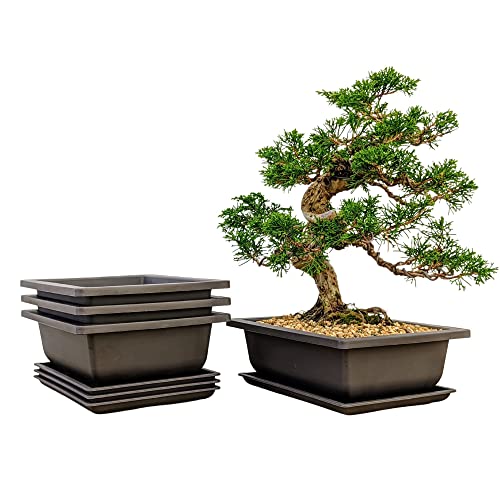
Economical and Reusable - Drainage mesh built into pot + small holes prevent soil from falling through the holes

1, PACKAGE: 1PC Oval Bonsai Tree Planter (Size:L9.2”*W5.6”*H2.7”) + 1pc Resin Bonsai Tray+2 Mesh Pads. Plants NOT Included in the package.
Pruning Your Bonsai Mulberry Tree
Pruning is an important part of caring for your bonsai mulberry tree. Pruning encourages growth and helps to maintain the desired shape of your bonsai. It is also important to prune in order to control the size of your tree, as well as to remove any dead or diseased branches. Pruning should be done regularly, but you should never prune more than a third of the total foliage at once. Here are some tips for pruning your bonsai mulberry tree:
The Right Tools
Before you start pruning, make sure you have the right tools. You’ll need a good pair of scissors or shears, and possibly a saw if you plan on removing larger branches. It’s also a good idea to have some rubbing alcohol or a sterilizing solution on hand in case your tools become contaminated with disease.
Time of Year
When it comes to pruning your bonsai mulberry tree, timing is everything. The best time to prune is just before the spring growing season begins. This will give your tree time to recover from the pruning before it starts putting out new growth.
Where To Prune
When pruning your bonsai mulberry tree, you want to focus on areas where there are multiple branches growing together or branches that are too close together. You should also look for any dead or diseased branches that need to be removed.
How To Prune
When you start cutting, always make sure that the cuts are clean and even. If possible use a sharp pair of scissors or shears so that you don’t leave any jagged edges which can lead to disease entering into the wound and infecting other parts of the tree. After you have finished pruning, be sure to sterilize your tools before using them again on different plants.
By following these tips, you can ensure that your bonsai mulberry tree stays healthy and grows strong for years to come!
Training Your Bonsai Mulberry Tree
Training your bonsai mulberry tree is an important step in caring for the health and longevity of the tree. To begin, choose a pot that is deep enough to contain both the root ball and the trunk of the tree. Be sure to use soil that is specifically formulated for bonsai trees, as regular soil will not provide enough nutrients for your bonsai mulberry tree. When planting your bonsai mulberry tree, make sure to place it in a location that receives plenty of direct sunlight and is sheltered from strong winds. Once you have planted your bonsai mulberry tree, you will need to water it regularly and fertilize it every two weeks using a fertilizer designed for bonsai trees.
As your bonsai mulberry tree grows, you can begin to shape and prune it using pruning shears into whatever form you desire. Pruning should be done before new buds appear on the branches in order to maintain the desired shape of the tree. When pruning, be sure not to remove too much foliage as this can cause stress on the tree and may lead to poor growth or even death of the plant. Additionally, avoid trimming off new shoots as these are important for continued growth of your bonsai mulberry tree.
To help support your bonsai mulberry tree while it grows, provide an adequate support system such as guy wires or stakes attached securely with thin wire or raffia ties. Make sure that any ties used are not too tight so as not to cause injury or damage to the bark of the trunk or branches. As your bonsai mulberry tree matures, you may want to repot it into a larger container with fresh soil in order to continue encouraging healthy growth.
By following these steps and taking care when training and pruning your bonsai mulberry tree, you can enjoy many years of healthy growth from this beautiful specimen!

Fertilizing Your Bonsai Mulberry Tree
Fertilizing a bonsai mulberry tree is an important part of keeping it healthy and happy. Bonsai mulberry trees need to be fertilized at least once a year, preferably in the spring when new growth starts to appear. When choosing a fertilizer, make sure to select one that is specifically designed for bonsai plants. In general, you should use a balanced fertilizer that contains both macro and micro-nutrients. It should also have slow-release properties so that it will last longer in the soil.
When applying fertilizer to your bonsai mulberry tree, start by lightly sprinkling it around the base of the tree and then gently work it into the soil with your hands. Make sure not to overfertilize, as this can lead to root burn and other damage to your tree. It is also important to water your tree after fertilizing, as this will help the nutrients reach the roots more quickly.
If you want to give your bonsai mulberry tree an extra boost of nutrition, you can add some organic matter such as compost or manure to the soil around it. This will help provide additional nutrients and help improve the soil structure over time. You can also add some liquid fertilizer every few weeks during the growing season for an extra boost of nutrition for your tree.
Fertilizing your bonsai mulberry tree is an important part of caring for it properly and ensuring its health and longevity. With proper fertilization and care, your bonsai mulberry tree can thrive for many years to come!
Recommended Products

Nutrient-Rich Formula: 18-6-8 N-P-K ratio enriches soil for optimal Bonsai growth

🌿 BONSAI TREE SPECIALIST: Our 3-1-2 Liquid Fertilizer Mist is expertly crafted to cater to the unique needs of Bonsai trees, ensuring they flourish and maintain their miniature beauty.

Balanced Nutrient Formula: This slow release fertilizer contains 14-13-13 NPK to provide comprehensive nutritional support to promote healthy plant growth and is suitable for various gardening and agricultural needs
Watering Your Bonsai Mulberry Tree
Watering your bonsai mulberry tree is essential for its health and growth. It is important to water your bonsai tree regularly and deeply to ensure that the roots get the moisture they need. The best way to water your bonsai mulberry tree is with a slow and steady stream of water from a watering can, garden hose, or sprinkler. This will allow all of the soil to be moistened evenly. Make sure to water the entire root zone so that all of the roots are getting enough moisture. Do not let any of the soil dry out completely before watering again.
You should also check the soil regularly to make sure it is not too wet or too dry. To do this, stick your finger about an inch into the soil and feel it for moisture. If you do not feel any moisture, then it’s time to water your bonsai tree. You should also take care when watering your bonsai tree as too much or too little water can cause root rot or other problems with the health of your tree.
It is also important to remember that different types of bonsai trees require different amounts of watering. For example, deciduous trees require more frequent watering during their growing season while coniferous trees need less frequent watering during their dormant season. You should consult with a local nursery or garden center for more specific advice on how often you should be watering your particular type of bonsai tree.
Recommended Products

Mini Watering Can:This 300ml matte watering can fits perfectly on desks, shelves, or narrow windowsills. Its sleek metal finish elevates your home or office decor—no more hiding ugly tools!

Mini Watering Can:This 300ml matte black watering can fits perfectly on desks, shelves, or narrow windowsills. Its sleek metal finish elevates your home or office decor—no more hiding ugly tools!
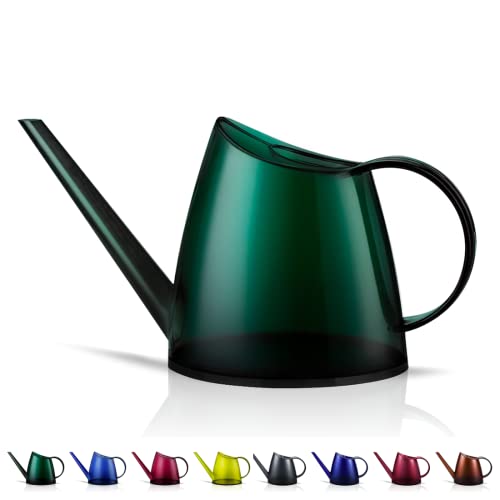
Sleek Modern Design: A Stylish Small Watering Can That Doubles as Decor This glossy black watering can redefines the classic plants watering can—its bold angular shape and sleek finish make it a standout indoor watering can that looks as good as it functions. Place it next to your windowsill succulents or office desk pothos: it’s not just a tool, but a trendy accent piece that elevates any indoor plant corner.
Repotting A Bonsai Mulberry Tree
Repotting a bonsai mulberry tree is an important part of its maintenance and care. It is essential to repot the tree every two to three years in order to keep it healthy and strong. Repotting will help ensure that the roots are not overcrowded, which can cause stress and impede the growth of the tree. It also helps prevent disease and pests from taking hold, as well as keeping the soil fresh and full of nutrients.
When repotting a bonsai mulberry tree, it is important to choose a pot that is slightly larger than the one it was previously in. This will allow for some room for growth, as well as ensuring that there is enough space for all of the roots. The pot should also have plenty of drainage holes so that excess water can escape after watering.
Once you have chosen a pot, you should prepare the soil mixture by combining organic compost, peat moss, and fine gravel or sand. This will provide plenty of nutrients for your bonsai mulberry tree while allowing for proper drainage at the same time. When it comes to planting your bonsai mulberry tree in its new pot, you should make sure to keep it slightly elevated above the bottom of the container so that excess water can escape freely without pooling at its base.
It is also important to remember to water your bonsai mulberry tree regularly after repotting it. The soil should remain slightly moist but not soggy at all times; this will help promote healthy root growth and overall health of your bonsai tree. Finally, you should make sure to fertilize your bonsai mulberry tree regularly with an organic fertilizer in order to ensure that it receives all of the essential nutrients it needs throughout its life cycle. With proper care and maintenance, your bonsai mulberry tree will thrive for many years to come!

Conclusion
Bonsai-ing a mulberry tree is a rewarding experience. With proper care and attention, you can create a beautiful bonsai that will last for generations. There are many different techniques used in bonsai, so it is important to research and understand the best methods for caring for your tree properly. Once you have obtained the proper tools and supplies, you’ll be able to start bonsai-ing your mulberry tree in no time. Don’t forget to keep it out of direct sunlight and water it regularly for optimal growth. With patience, dedication, and lots of love, you can create a beautiful bonsai masterpiece that will be enjoyed by all!
So go ahead, give it a try – there’s no better way to learn than by doing!
