

Are you struggling to keep your potted fruit trees healthy? You’re not alone! Many plant lovers find it tricky to strike the right balance when it comes to watering. Too much or too little can lead to wilting leaves or even root rot, leaving you frustrated and worried about your plants.
Key Takeaways
- Watering Frequency: Potted fruit trees typically require watering every 5 to 10 days, with adjustments made for temperature and humidity conditions.
- Tree and Soil Needs: Different fruit tree species and pot sizes affect watering frequency; larger pots and specific soil types can retain moisture longer than smaller pots.
- Signs of Stress: Keep an eye on leaf health; wilting, yellowing, or dropping leaves can indicate underwatering, while soggy soil and root rot point to overwatering.
- Seasonal Adjustments: Increase watering during spring and summer for active growth, reduce it in fall, and water infrequently during winter as trees enter dormancy.
- Best Practices: Always check soil moisture before watering, ensure thorough watering until it drains from the pot, and monitor environmental conditions to adjust your routine as needed.
Understanding Fruit Trees In Pots
Growing fruit trees in pots presents unique challenges. You must pay close attention to watering needs, which directly impact the tree’s health and fruit production.
Importance of Proper Watering
Proper watering promotes healthy growth and maximizes fruit yield. Overwatering suffocates roots and leads to root rot, while underwatering causes stress, wilting leaves, and fruit drop. Consistent watering creates a balanced environment for your trees, helping them thrive in a confined space.
Factors Affecting Watering Frequency
Watering frequency depends on several factors, including:
- Tree Species: Different fruit trees have varied water needs. For instance, citrus trees may require more frequent watering than apple trees.
- Pot Size: Larger pots retain moisture longer than smaller pots. A 10-gallon pot may need watering less often than a 5-gallon pot.
- Soil Type: Well-draining soil dries out more quickly, requiring more frequent watering. In contrast, dense soils may retain water.
- Climate Conditions: Hot, dry weather increases evaporation rates. Trees in exposed areas might need daily watering, while those in shaded spots may need less.
- Growth Stage: Young trees or those in active growth stages need more water than dormant ones. Watering needs change with the seasons.
Watering Guidelines for Fruit Trees
Watering potted fruit trees requires attention to specific guidelines for optimal growth. Factors such as climate, pot size, and tree species influence your watering routine.
Recommended Products
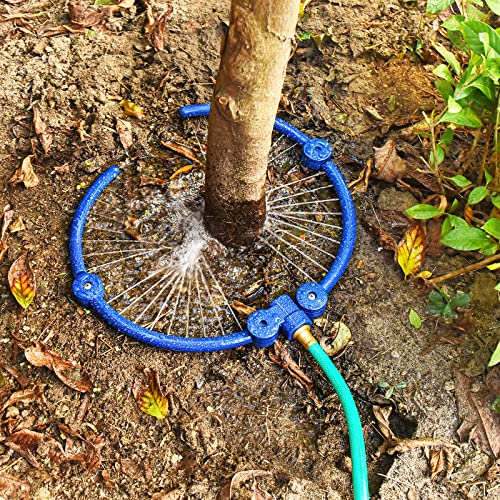
【Specially Designed for Trees and Shrubs】 The Watering Ring is a multi-purpose irrigation ring that attaches to a garden hose to efficiently water young trees shrubs vegetables or flower beds using drip or trickle irrigation.It directs water to the root perimeter of the plant to give them a good start during the first two growing seasons or through periods of drought.
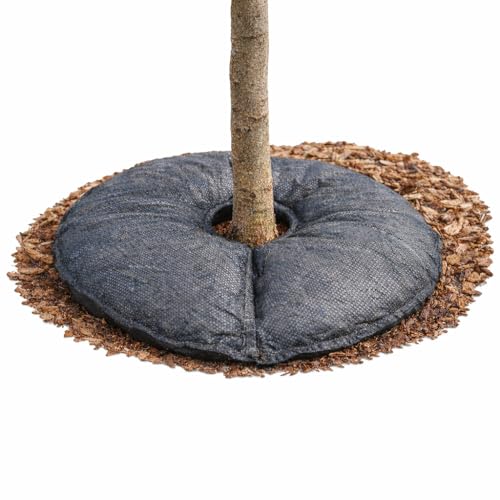
For Plants and Trees that with root balls about 12” in dia., (11-15”, e.g. 3-10 Gallon Container Sizes have top diameters between 11-15”) - Uses 99% LESS WATER than traditional tree bag over the course of multiple seasons for better establishment of the newly planted trees and shrubs! When the plant root ball is larger than 15”, the 36”, 48”, or multiple units of these larger sized SteadySpring Tree Mats are recommended to cover an area double of the root ball size or at least 20” larger than the root ball.

【Unique Design Deep Root Tree Watering Tool】 Our root watering tool have four exit hole for the water,won't got clogged easily,It made of stainless steel,not rusting from the inside out.It can leave in the soil and is strong enough to drive through gravel,help your plants build a strong root system .
General Watering Frequency
Water fruit trees in pots based on their specific needs, usually every 5 to 10 days. During hot weather, trees may need more frequent watering, while cooler months may reduce this frequency.
- Check the Soil: Stick your finger about an inch into the soil. If it feels dry, it’s time to water.
- Observe Tree Size: Larger trees absorb more water, so they may need watering sooner.
- Monitor Leaf Health: Droopy or yellowing leaves indicate a need for water or adjustments in your routine.
Seasonal Considerations
Seasonal changes significantly impact your watering schedule.
- Spring and Summer: In these growing months, increase watering frequency to support active growth. Daily checks during hot spells keep trees adequately hydrated.
- Fall: As temperatures cool down, gradually reduce watering. Trees need less moisture as they prepare for dormancy.
- Winter: Water infrequently, as trees enter dormancy. Check monthly, ensuring the soil stays slightly moist but not soggy.
By adjusting your watering strategy based on these guidelines, you can help your potted fruit trees thrive throughout the year.
Signs of Underwatering and Overwatering
Recognizing the signs of underwatering and overwatering is crucial for the health of your potted fruit trees. Understanding these indicators can help you adjust your watering routine effectively.
Recommended Products

Accurate Soil Moisture Detection: The XLUX Soil Moisture Meter can tell you if the soil deep inside your pot or garden is dry, moist or wet; whereas your eyes and fingers can only determine the moisture level of the soil surface. The probe is 5.5 inches (14 cm) longer than regular styles, allowing it to measure the soil moisture at the bottom of larger and deeper flower pots.

Trusted Since 2015: Become one of the many plant lovers who rely on the proven accuracy of XLUX. Established in 2015, our soil moisture meter has earned over 60,000+ verified ratings for its consistent performance. While many many newer brands come and go, we provide the long-term reliability and quality that American households have trusted for over a decade.

Accurate Soil Moisture Detection: The XLUX Soil Moisture Meter can tell you if the soil deep inside your pot or garden is dry, moist or wet; whereas your eyes and fingers can only determine the moisture level of the soil surface. The probe is 5.5 inches (14 cm) longer than regular styles, allowing it to measure the soil moisture at the bottom of larger and deeper flower pots.
Symptoms of Underwatering
- Wilting Leaves: Leaves droop and lose turgor pressure, making them floppy.
- Crispy Edges: Leaf edges turn brown and become dry, indicating a lack of moisture.
- Dropping Leaves: Leaves may fall prematurely as the tree conserves water.
- Slow Growth: New growth might be stunted or nonexistent due to insufficient hydration.
- Soil Dryness: The top layer of soil feels dry to the touch, often indicating a need for water.
- Yellowing Leaves: Leaves turn yellow, starting from the bottom and moving upwards.
- Root Rot: Roots appear brown and mushy instead of firm, showing they can’t absorb nutrients.
- Mold and Fungus: A white mold may develop on the soil surface or around the pot, indicating excess moisture.
- Wilting despite Wet Soil: Leaves might droop even when the soil feels moist, signaling root distress.
- Pests: Fungal gnats may appear, thriving in overly saturated soil conditions.
By observing these symptoms, you can adjust your watering schedule as needed to keep your potted fruit trees healthy and productive.
Best Practices for Watering
Watering potted fruit trees requires attention to detail for optimal results. Following best practices ensures healthy growth and abundant fruit yield.
Techniques for Effective Watering
- Check Soil Moisture: Always test the soil before watering. Stick your finger about an inch deep into the soil. If it feels dry, it’s time to water.
- Water Thoroughly: Water until it drains from the bottom of the pot. This ensures that all roots receive moisture.
- Establish a Routine: Water on a regular schedule, such as every 5 to 10 days, adjusting for weather changes. During hot months, increase frequency based on the tree’s needs.
- Monitor Environmental Conditions: Keep an eye on local climate. High heat or strong winds can increase water loss, requiring more frequent watering.
- Avoid Waterlogging: Ensure pots have drainage holes. Excess water can lead to root rot, so never let the pot sit in standing water.
- Moisture Meter: This tool measures soil moisture levels precisely. It helps determine when to water, taking the guesswork out of the process.
- Watering Can: Choose a can with a long spout for precision. This helps deliver water directly to the roots without splashing.
- Drip Irrigation Systems: Consider installing a drip system for consistent watering. This option ensures your trees receive a steady amount of moisture.
- Mulch: Using organic mulch around the base of your potted fruit trees reduces evaporation. It helps retain soil moisture and keeps roots cooler.
- Watering Schedule App: Use smartphone apps designed for plant care. These remind you when and how much to water, making maintenance easier.
Conclusion
Taking care of your potted fruit trees doesn’t have to be stressful. By understanding their specific watering needs and keeping an eye on environmental factors you can promote healthy growth and a bountiful harvest.
Remember to check soil moisture regularly and adjust your watering routine based on the season and your tree’s needs. With a little attention and care you’ll be well on your way to enjoying delicious fruits from your own pots. Happy gardening!
Frequently Asked Questions
What are the common watering challenges for potted fruit trees?
Potted fruit trees face challenges like overwatering and underwatering. Each can lead to issues such as wilting leaves or root rot. Striking the right balance is essential for maintaining plant health and maximizing fruit yield.
How often should I water my potted fruit trees?
It’s recommended to water potted fruit trees every 5 to 10 days, but this can vary based on species, pot size, soil type, climate conditions, and the growth stage of the tree.
What signs indicate underwatering in fruit trees?
Symptoms of underwatering include wilting leaves, crispy edges, dropping leaves, slow growth, and dry soil. Monitoring these signs helps in adjusting watering schedules.
What are the signs of overwatering in fruit trees?
Overwatering may show signs like yellowing leaves, root rot, mold or fungus, wilting despite wet soil, and pest presence. Recognizing these symptoms is crucial for maintaining tree health.
How can I check soil moisture for my potted fruit trees?
You can check soil moisture by sticking your finger about an inch into the soil. If it feels dry, it’s time to water. Alternatively, moisture meters can provide an accurate reading.
What best practices should I follow for watering?
Best practices include checking soil moisture before watering, ensuring thorough watering until it drains from the pot’s bottom, and establishing a regular routine while observing seasonal changes.
How can I retain soil moisture for fruit trees in pots?
Using organic mulch can retain soil moisture effectively. It helps reduce evaporation and keeps the soil temperature stable, benefiting your fruit trees.
Are there tools to help manage watering schedules?
Yes, tools like moisture meters, long-spout watering cans, and drip irrigation systems can aid in effective watering. Additionally, smartphone apps for plant care can assist in managing schedules.
