

Are you wondering when and how to prune your orange tree? Pruning an orange tree can be a daunting task, but it is essential for its health and proper growth. Knowing the right time and technique for pruning your orange tree is key to ensuring it produces healthy fruit that are sweet and juicy. In this article, we will discuss the best time of year to prune your orange tree, as well as the techniques and tools needed for effective pruning. We will also go over the potential risks associated with improper pruning, so that you can make sure you are caring for your orange tree properly.
The best time to prune an orange tree is in mid-winter when the tree is dormant, usually between late December and early February. Pruning during this period will help promote new growth and help shape the tree.
What Tools to Use for Pruning
Pruning is an essential part of garden maintenance and requires the right tools to get the job done. The most common tools used for pruning are hand pruners, loppers, secateurs, saws and shears.
Hand pruners are small handheld scissors with a curved blade that allow for precise cuts. They are best used for smaller branches and twigs, up to 3/4 inch in diameter.
Loppers are larger scissors with long handles and a curved blade that can be used to cut branches up to 2 inches in diameter. They require more effort than hand pruners but provide greater cutting power.
Secateurs are similar to hand pruners, but they have a single blade that moves back and forth instead of a pair of blades like traditional scissors. They can be used on branches up to 1 inch in diameter.
Saws are the ideal tool for cutting larger branches or logs, as they can easily cut through wood up to 10 inches in diameter. There are many different types of saws available, such as bow saws, folding saws, pole saws and reciprocating saws.
Shears are specialized tools designed for trimming hedges or topiary plants. They have long handles and sharp blades that allow them to quickly trim large areas of foliage at once.
No matter what type of pruning job you need to do, having the right tool is essential for getting the job done quickly and safely. Always use sharp blades when pruning, as dull blades can cause damage to the plant or injure you if not properly handled.
Recommended Products

Sharp Mn Steel Blade for Fast & Clean Cuts: This pole saw uses a sharp three-sided edge with a double-sided barb design to grip branches securely and cut smoothly from multiple angles. The Mn steel blade is durable, rust-resistant, and lightweight, delivering fast, clean cuts. This is a manual pole saw with detachable pole sections for adjustable reach; not pruner not telescoping pole, it is neither electric nor battery-powered.

Fast and Efficient Cutting: This pruning saws for tree trimming features 7 TPI (teeth per inch) triple-cut razor teeth. The tooth slots are sufficiently wide and deep, allowing the saw to cut through more wood with each stroke. The folding tree saw offers excellent chip evacuation—much like opening a floodgate—and is less prone to getting clogged with wood chips, ensuring smooth and effortless operation.
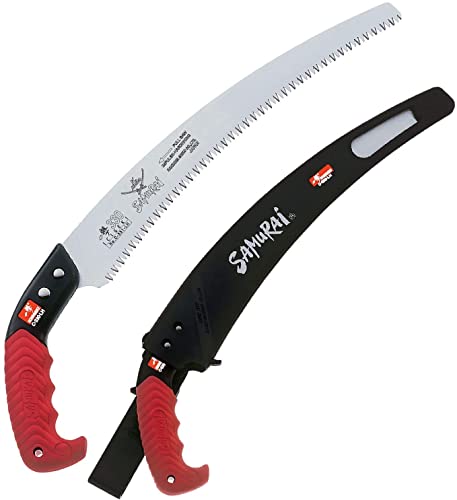
13 inch TRI CUT TEETH JAPANESE BLADE
How to Prune an Orange Tree
Pruning an orange tree is an important part of maintaining a healthy and productive tree. It helps to encourage new growth, remove dead and diseased branches, and promote fruit production. Pruning should be done in late winter or early spring before the tree starts producing fruit. Here are some tips for pruning your orange tree:
1. Start by removing any dead or diseased branches. These should be cut back to just below the damaged area, making sure to sterilize pruning shears between each cut.
2. Once all the dead and diseased branches have been removed, it’s time to start thinning out any overly dense areas of the tree. This will help improve air circulation, which is essential for producing healthy fruit.
3. After thinning out dense areas, you can begin shaping the tree by removing any crossed or rubbing branches. This will help the tree maintain a desired shape and prevent damage from occurring when two branches rub against each other.
4. Finally, remove any suckers that are growing from the base of the trunk or from below where a branch has been removed. These will compete with the main leader for nutrients so they should be removed as soon as possible.
Following these steps will help you keep your orange tree healthy and productive for years to come!
Where to Prune an Orange Tree
Pruning an orange tree is an important part of maintaining a healthy and productive tree. Proper pruning helps keep the tree healthy, encourages new growth, and increases fruit production. Knowing when and where to prune your orange tree will ensure that you get the best results possible from your pruning efforts.
When pruning an orange tree, it is important to start at the top of the tree and work downward. This helps to ensure that the canopy remains balanced and does not become too thin or too dense in certain areas. The main branches should be pruned back by no more than one-third their length to encourage new growth on the branches below them. Branch ends should also be removed if they are dead or diseased, as this can help prevent the spread of any disease throughout the tree.
When choosing where to prune your orange tree, it is important to identify any weak or diseased branches and remove them first. Pruning out any dead wood also helps promote healthier growth in all areas of the tree by allowing more sunlight penetration into the canopy. Additionally, thinning out congested areas will help improve air flow throughout the entire canopy, reducing disease risk and promoting better fruit production overall.
Finally, it is important to avoid removing large sections of healthy wood from your orange tree when pruning as this can weaken or damage the structure of the tree. Instead, focus on removing a few small branches at a time until you have achieved your desired shape for your orange tree. Pruning should be done during late winter or early spring for optimal results in terms of both health and productivity for your orange tree.
By following these tips for where to prune your orange tree, you can ensure that you get maximum benefit from your pruning efforts while keeping your trees safe and healthy for years to come!
Recommended Products

· ULTRA-SHARP SK5 STAINLESS STEEL - Engineered with premium SK5 stainless steel, these heavy duty pruning shears deliver razor-sharp precision and maximum hardness. The rust-resistant blades are designed to stay sharp longer, effortlessly resisting corrosion and sap buildup for smooth, friction-free garden shears performance year after year.

Reduce Hand Strain: These micro tip snips are built spring-loaded so that they automatically push themselves open without you having to do the work, which greatly reduces hand fatigue and makes these snips great for those with arthritis, carpal tunnel, hand or wrist issues; Comfortable “grip” handles will make it easy to work for long-time use without making you feel hand pain

【Max Cutting Diameter 2.56 Inch】- This powerful branch cutter delivers an impressive 2.56-inch max cutting capacity, ideal for heavy-duty trimming, shrubs, fruit trees, and landscaping work.
The Benefits of Pruning an Orange Tree
Pruning an orange tree is essential for maintaining its health and ensuring it produces a quality crop. Pruning can help to promote healthy growth, improve air circulation, and increase the potential for higher yields. It also helps to reduce pest and disease problems, as well as controlling the shape and size of the tree. By pruning an orange tree regularly, you can enjoy many benefits that will keep your tree looking great and producing a good amount of fruit year after year. Here are some of the main advantages of pruning an orange tree:
1) Improved Air Circulation: Pruning helps to open up the canopy of the tree, allowing more air to circulate throughout it. This improved circulation can help prevent fungal diseases such as powdery mildew by reducing moisture in damp areas of the tree. It also allows more light to reach lower branches, encouraging them to grow.
2) Increased Yields: Pruning helps promote new growth by stimulating secondary buds on limbs. This encourages more fruit production since each bud has the potential to produce flowers and then fruit if pollinated correctly. In addition, removing dead or diseased branches can help reduce competition for nutrients from healthy parts of the tree.
3) Control Shape and Size: Pruning can help keep the size of your orange tree manageable. If left unchecked, it can grow too large for its space and become difficult to harvest from or manage in general. By regularly removing unwanted branches or shoots, you can control its overall shape and size.
4) Reduced Pest & Disease Problems: Removing dead or diseased branches can help reduce pest problems since these weakened branches are more susceptible to attack from insects or mites. In addition, pruning away water sprouts (suckers that appear at the base of a branch) helps remove areas where disease could spread.
Overall, regular pruning is essential for keeping an orange tree healthy and productive. It helps improve air circulation while also increasing yields and controlling shape and size. In addition, it reduces pest and disease problems by removing dead or diseased parts before they become a problem. With proper care and regular pruning, you can ensure your orange tree continues producing sweet fruit year after year!

The Dangers of Pruning an Orange Tree
Pruning an orange tree can be hazardous if done incorrectly. Improper pruning techniques can damage the tree, leading to reduced yields and even death. It is important to understand the correct way of pruning an orange tree in order to maximize its health and produce quality fruit. If done improperly, the dangers associated with pruning can include:
1. Reduced Yields: Pruning too much or too often can reduce yields by removing buds, flowers, and immature fruit. Pruning should only be done when necessary and in accordance with a regular maintenance program.
2. Disease Transmission: Pruning tools that are not properly sanitized can spread diseases from one tree to another, resulting in diseased fruit or trees that fail to produce any fruit at all.
3. Injury: Improper pruning techniques such as cutting too close to the trunk or using dull blades can cause injury to the bark of the tree, leading to scarring and damage that cannot be reversed.
4. Death: If a tree is pruned incorrectly, it can die due to excessive stress caused by improper pruning techniques or diseases spread through the tools used for pruning.
It is important to understand these risks associated with pruning an orange tree before beginning any pruning project. It is also important to take proper care when handling tools and sanitation practices when dealing with trees due to their sensitive nature. Taking these precautions will help ensure that your orange trees remain healthy and productive for many years to come.
Deciding What Parts of the Tree to Prune
Pruning trees is an important part of tree maintenance. It helps trees stay healthy and look attractive. When deciding what parts of a tree to prune, it is important to consider the type of tree, its size and shape, and the purpose for pruning.
The type of tree will determine which branches should be trimmed. For example, some trees have a natural tendency to grow in a certain direction and it may be necessary to prune branches in order to maintain the desired shape. Similarly, if a tree is growing too tall or wide, it may be necessary to prune some branches in order to control its size.
When pruning trees, it is important to consider the purpose for pruning. If the goal is simply to shape or control the size of a tree, then only certain parts of it should be pruned. However, if the goal is to remove diseased or dead limbs, then more extensive pruning may be required.
Finally, it is important to consider safety when deciding which parts of a tree should be pruned. Branches that are close to buildings or power lines should not be trimmed as they can easily fall onto people or property during strong winds or heavy rainstorms. Likewise, large limbs that are close to walkways should also not be removed as they can cause injury if they fall on someone passing by.
In summary, when deciding what parts of a tree should be pruned, it is important to consider the type of tree, its size and shape, and the purpose for pruning. Safety is also an important consideration as large branches that are close to buildings or walkways can present hazards if they are removed without proper precautions being taken first.
Recommended Products

DUAL CUTTING POWER: VERSATILE PRUNING COMBO --- With both Pruning Shears and Pruning Snip, this combo delivers unmatched versatility. Whether you're delicately trimming flowers and shrubs, tackling thicker tree branches, or tending to your vegetable and fruit garden, our combo pack excels in all areas. They're also perfect for landscaping projects and maintaining the health and appearance of indoor plants. With this pack, you have a versatile tool that simplifies your gardening tasks.

AMBIDEXTROUS DESIGN: Pruner shape is designed for both right and left-handed use while pruning indoor & outdoor plants such as shrubs, ornamental trees, vines, & flowers like roses; SoftGrip handle reduces hand fatigue & enhances comfort and control

Widely Used: Pruning shears for gardening include 3 different blades and gloves for a variety of general pruning work. Great for trimming flowers, plants, bonsai, hydroponics, herbs, light branches and so on. Shears gardening tools are ideal for pruning needs and perfect gift for gardening friends
How Often to Prune an Orange Tree
Pruning an orange tree is an important part of its maintenance as it encourages healthy growth and helps the tree produce more fruit. Pruning also keeps the tree from becoming too large and unmanageable, and can even help prevent disease. However, it is important to know how often to prune an orange tree in order to ensure optimal health and productivity. If done too often or too aggressively, pruning can actually do more harm than good.
The frequency of pruning will depend on the size and age of your orange tree. Generally speaking, young trees should be pruned twice a year – once in late winter or early spring, and again in mid-summer. This will help shape the tree while encouraging healthy growth and development. For mature trees, pruning should be done once a year in late winter or early spring, before the new growth starts to appear.
When pruning an orange tree, you should focus on removing dead or diseased branches as well as any branches that cross over each other or grow into one another. You should also remove any branches that are weak or rubbing against the trunk of the tree. It is important to use sharp tools when pruning so you can make clean cuts without damaging the bark of the tree. If you are unsure about how much to prune, it is best to start small and take off only what is necessary for healthy growth.
Overall, by following these simple guidelines on how often to prune an orange tree you can ensure that your tree remains healthy while producing plenty of delicious fruit year after year.

Conclusion
Pruning an orange tree is essential to keep it healthy and full of fruit. Pruning should be done in the spring after the tree has flowered and fruited, as well as in the fall. To prune an orange tree properly, remove any dead, diseased, or crossed branches and any branches that are growing too close together. Also remove any suckers growing from the base of the tree. If you’re looking to shape your tree into a specific form, use pruning shears to make precise cuts around the desired shape. When pruning your orange tree, always keep in mind that it will take a few years for the shape to become permanent.
Overall, proper pruning techniques will help your orange tree achieve its full potential and produce great-tasting fruit for many years. With patience and dedication, your orange tree will reward you with an abundance of delicious oranges!
