

Characteristics of Acid Loving Plants
Acid loving plants, also known as ericaceous plants, are those that thrive in acidic soil. They are able to withstand soil pH levels below 5.5 and require very little attention from gardeners in order to flourish. These plants often have specific needs that must be met in order to survive and thrive, but once these needs are met, they can be very rewarding for gardeners. The most common characteristics of acid loving plants include:
1. Ability to tolerate low pH levels: Acid loving plants are able to tolerate soil pH levels below 5.5 without suffering any ill-effects. This allows gardeners to cultivate these plants in areas with naturally acidic soils or areas where the soil has been modified with acidic amendments such as peat moss or pine needles.
2. High tolerance for drought: Most acid loving plants have a high tolerance for drought and can survive long periods without water or supplemental irrigation. This makes them ideal for areas with low rainfall or erratic weather patterns where other plants may struggle to survive.
3. Tolerance of high temperatures: Most acid loving plants can tolerate high temperatures and will still thrive even when the temperature is over 90°F (32°C). This makes them an ideal choice for gardens in hot climates where other plants may struggle due to the heat and lack of moisture.
4. Need for specific nutrients: Acid loving plants require specific nutrients such as iron, magnesium, and sulfur in order to grow and thrive properly. Gardeners must ensure that these nutrients are available in the soil before planting these types of plants, otherwise they may not do well and may even die due to nutrient deficiencies.
5. Ability to tolerate salt: Many acid loving species have an ability to tolerate salty soils which makes them ideal for coastal areas or gardens near oceans where salt is present in the air or soil. This characteristic makes them a great choice for seaside gardens where other types of plants may struggle due to the salt content in the air or soil
Recommended Products

Package contains 6 pounds organic soil acidifier grains and is produced to avoid wasteful runoff, mess, hazards and smells
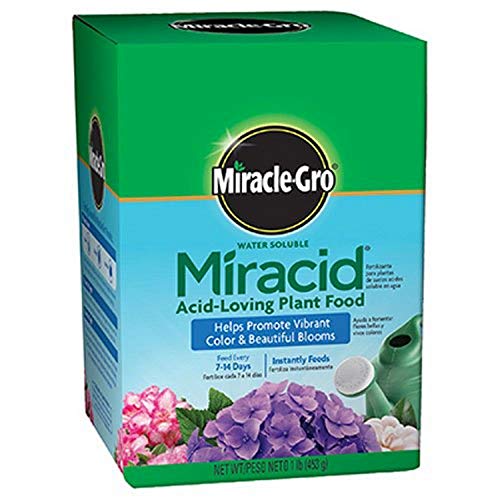
miracle gro water soluble fertilizer miracid acid loving plant food
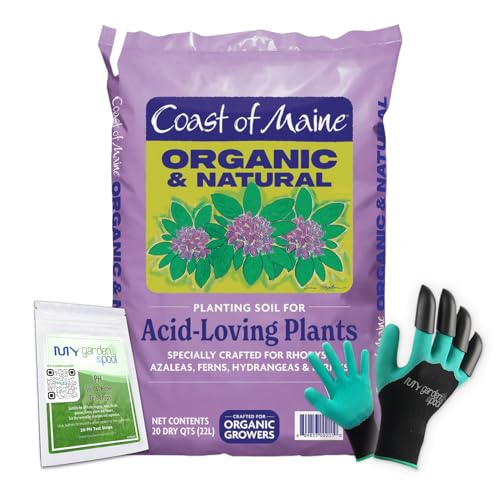
🌸 Formulated for azaleas, hydrangeas, and rhododendrons
Nutrient Requirements for Orange Trees
Orange trees require a variety of nutrients to thrive and produce healthy fruit. The key nutrients are nitrogen, phosphorus, potassium, calcium, magnesium, sulfur, iron and zinc. Nitrogen is essential for the healthy growth of foliage and fruit production. A deficiency in nitrogen can cause stunted growth and foliage discoloration. Phosphorus is important for root development and flower production as well as aiding in the transfer of energy within the tree. Potassium helps to build strong cell structure in the tree and aids in water uptake from the soil. Calcium helps to create strong cell walls that protect against disease and pests, while magnesium helps to regulate nutrient uptake from the soil. Sulfur helps with photosynthesis, iron aids in chlorophyll production which gives leaves their green color, and zinc helps with enzyme production which aids in proper growth of leaves and flowers. Without these essential nutrients orange trees will not be able to reach their full potential.
In order to ensure that your orange trees get all of the nutrients they need for optimal growth it’s important to perform regular soil tests. This will allow you to determine if any nutrients are lacking or if there is an imbalance of any particular nutrient that needs correction. If a nutrient deficiency is detected then it can be corrected with fertilizer specifically designed for citrus trees or through adding organic matter such as compost or manure to the soil. It’s also important to mulch around your orange trees since this will help retain moisture in the soil as well as provide additional organic material over time that will help feed your trees.
By providing your orange trees with all of the essential nutrients they need you can ensure that they remain healthy and productive throughout their lifetime. Regular soil testing combined with proper fertilization and mulching practices can make all the difference when it comes to getting great results from your citrus trees!
Planting Orange Trees in Acidic Soils
Orange trees can be a great addition to any yard, but they do require some extra attention when planted in acidic soil. The acidity of the soil affects how the tree will grow, and it can also affect the taste of the oranges. To ensure that your orange trees are healthy and produce delicious fruit, it is important to take the necessary steps to ensure that acidic soil is properly prepared before planting.
The first step when preparing acidic soil for orange trees is to test the pH level of the soil. This can be done with a simple pH test kit that can be found at most home improvement stores. It is important to know how acidic or alkaline the soil is in order to make sure that you are taking all of the necessary steps for optimal growth.
Once you have determined the pH level of your soil, you will need to adjust it accordingly. If your soil is too acidic, then you will need to add lime or other types of alkaline compounds in order to balance out the acidity. On the other hand, if your soil is too alkaline then you will need to add sulfur or other types of acid compounds in order to lower its pH level.
In addition to adjusting the pH level of your soil, it is also important to make sure that it has good drainage and plenty of organic matter. Adding organic matter such as compost or manure can help improve drainage and increase nutrient levels in the soil which will benefit your orange tree’s growth and health.
Finally, when planting an orange tree in acidic soils, it is important to choose a variety that is suited for these conditions such as Valencia oranges or Navel oranges. These varieties tend to be more tolerant of acidic soils than other varieties and will have a greater chance of growing healthy and producing delicious fruit over time.
By taking these steps before planting orange trees in acidic soils, you can ensure that they are healthy and produce delicious fruits for years to come!

Recommended Products

Kindly NOTE: This soil tester can not be applied to test pH value of any other liquid. If the soil is too dry the indicator will not move, and water it before testing.

Accurate Soil pH Testing: Dewildetradingco Soil pH Test Strips offer measurements of soil pH levels (pH 3.5-9). As an essential tool for every gardener and grower, these test strips help determine the optimal pH for various plants, such as outdoor plants, indoor plants, gardens, grass lawns, fruit trees, flowers, vegetables, and forest shrubs.

✅ 1Dial & 1 LCD Screen - Replace/install all 3 batteries each time. Put button to %RH/°F to - Turn On, and put to LIGHT to - Turn Off. Read the LCD results in 3-5 mins. (Not Water Moisture Meter, so, please don't test liquid)
Citrus Fertilizer for Orange Trees
Citrus fertilizer is essential for the proper growth and health of orange trees. It helps to provide the nutrients needed for the trees to produce healthy, juicy oranges. Fertilizer should be applied according to the specific needs of the tree, based on the type of soil and climate in which it is grown. The amount of fertilizer used should also be adjusted depending on the type and size of orange tree being fertilized. Citrus fertilizer should be applied twice a year, once in early spring and again in late fall. When applying citrus fertilizers, it is important to follow label directions carefully and use only products that are labeled as specifically formulated for citrus trees.
It is also important to choose a quality product that contains adequate amounts of nitrogen, phosphorus and potassium – all three are essential nutrients for healthy orange trees. Additionally, micronutrients such as zinc and iron can help promote strong root growth and better fruit production. When selecting a citrus fertilizer, look for products that contain chelated micronutrients, which are more easily absorbed by plants than other forms. When applying fertilizer, make sure to spread it evenly around the tree’s root zone – this will help ensure that all areas receive equal amounts of nutrients.
It is also important to water thoroughly after applying citrus fertilizer – this will help wash away any excess material that may have been left behind on leaves or branches. Additionally, regular monitoring of soil pH levels can also help ensure that your orange tree receives all the nutrients it needs throughout its growing season. With proper care and regular fertilization, you can expect your orange tree to produce delicious fruit each year!
Diagnosing Nutrient Deficiencies in Orange Trees
Identifying nutrient deficiencies in your orange trees is an important part of maintaining a healthy and productive citrus crop. Nutrient deficiencies can lead to stunted growth, poor fruit quality and yield, and other issues that can reduce the overall health of your tree. In order to diagnose any potential nutrient deficiencies in your orange trees, you will need to perform a soil test and inspect the foliage for signs of distress.
A soil test will allow you to determine the nutrient levels in the soil, which can help you identify any potential deficiencies. To take a soil sample, use a trowel or shovel to collect a small amount of soil from around the base of your orange tree. Place the sample in a plastic bag and send it to a lab for analysis. The results will provide you with an accurate picture of the nutrient levels in your soil.
Once you have received the results of your soil test, compare them against recommended values for optimal plant health. If there are any deficiencies present, adjust your fertilizer program accordingly or contact an expert who can help you diagnose and treat any issues that may be present.
In addition to performing a soil test, it’s important to inspect your orange tree’s foliage for signs of distress. Nutrient deficiencies often cause leaves to yellow or brown, become deformed or curl up at the edges, or fall off prematurely. If you notice any of these symptoms on your tree’s foliage, it may be indicative of an underlying nutrient deficiency.
By performing regular soil tests and inspecting your orange trees’ foliage for signs of distress, you can accurately diagnose any potential nutrient deficiencies before they become too severe and begin impacting the health and productivity of your citrus crop.
Benefits of Growing Orange Trees in Acidic Soils
Orange trees are sensitive to soil pH, and thrive best in soils that are slightly acidic. Growing orange trees in acidic soils can provide a number of benefits for both the tree and the fruit it produces. One of the biggest advantages of growing orange trees on acidic soils is that they tend to be more disease resistant compared to those grown in neutral or alkaline soils. This is because many fungal diseases, such as citrus root rot, are less likely to thrive in acidic environments. In addition, orange trees grown on acidic soils can also be less prone to pests, as many insect pests prefer alkaline conditions.
Another benefit of growing orange trees in acidic soils is that they tend to produce higher quality fruit compared to those grown on neutral or alkaline soils. This is because the acidity of the soil helps increase nutrient availability for the tree, resulting in more vibrant-tasting and nutritious fruit. The acidity also helps break down rocks and clay particles, making them easier for the roots to absorb minerals like calcium and magnesium from the soil. This helps promote healthy growth and development of both the tree and its fruit.
Finally, growing orange trees on acidic soils can help reduce their water requirements compared to those grown on neutral or alkaline soils. This is because acidic soils have greater water retention capabilities than other types of soil, allowing them to better retain moisture even during dry periods. This helps reduce water stress for the tree and ensures it has enough resources available throughout its growth cycle.

Recommended Products

Enriched with Organic Fertilizer – This lemon tree fertilizer provides nutrients for up to 6 months, so your citrus trees stay healthy and productive with minimal upkeep.

Enhanced Growth Benefits: Supports optimal plant health with superior aeration, effective drainage, excellent nutrient retention, and a balanced pH – everything citrus plants need to thrive.

Feed the soil not the plants - stimulate microbial activity in your soil and boost probability of success with all types of plants… like composting but faster
Conclusion
In conclusion, orange trees are considered to be acid loving plants. They thrive in slightly acidic soil with a pH of 6.0-6.5 and benefit from applications of fertilizer and compost that contain sulfur or other acidic elements. Orange trees need plenty of sunlight, water, and soil nutrients to grow healthy and produce fruit. Because of their tendency to prefer an acidic environment, it is important to monitor the pH levels of the soil around your orange tree to ensure it is not too alkaline or too acidic for the tree to thrive.
Although orange trees can tolerate a wide range of temperatures, they are more susceptible to cold weather than other citrus trees and should be protected from frost during colder months. With proper care, your orange tree can provide you with delicious fruit for years to come!
