

Pruning fruit trees is an important part of keeping them healthy and productive. But when is the right time to prune your fruit trees?
Knowing when to prune your fruit trees correctly is essential for ensuring they stay healthy and produce abundant, high-quality fruit. Pruning at the wrong time can cause damage to the tree, reduce its productivity, and even lead to disease. In this article, we’ll look at when you should prune your fruit trees to ensure healthy growth and a bountiful harvest.
Whether you’re a novice or experienced gardener, this article will provide you with valuable information on the best times for pruning your fruit trees for maximum health, productivity, and yield.The best time to prune fruit trees is typically during the winter or early spring months, when the trees are dormant. Pruning during this time can help ensure successful fruit production in the upcoming growing season.
Pruning Fruit Trees
Pruning fruit trees is an important part of proper tree care. Pruning helps to maintain the health and vigor of the tree, promote its fruiting potential and improve its appearance. Pruning fruit trees can be done at any time of year, but it is best done in late winter or early spring while the tree is still dormant. The benefits of pruning fruit trees include:
1. Improved Fruit Production: Pruning removes diseased, damaged or overcrowded branches from the tree, which helps to promote new growth and encourages flowering and fruiting. By selectively removing some shoots, it also allows for better air circulation within the canopy of the tree, which reduces disease problems caused by moisture and humidity.
2. Increased Tree Health: Pruning helps to remove weak or dead branches that can spread disease throughout the tree. Removing overcrowded branches can also help to reduce competition for light, water and nutrients between different parts of the tree. This ensures that all parts of the tree are receiving an adequate supply of resources, which helps to keep it healthy and vigorous.
3. Aesthetic Appeal: The overall shape of a fruit tree can be improved by pruning away unruly or straggly branches that detract from its appearance. Pruning can also be used to create a more open crown structure which allows sunlight to penetrate deeper into the canopy and promotes flowering and fruiting.
Overall, pruning fruit trees can have many benefits for both their health and appearance. When done correctly, it can help promote abundant fruit production while improving the overall look and structure of your trees.
Recommended Products

✂Multifunctional -2 in 1 Garden Grafting Tools-Professional grafting set allows you to pruning and grafting at the same time, saving more time and effort than traditional grafting methods, easy to use and more efficient. It allows you to trim away excess leaves and twigs and prepare the plants to be grafted. At the same time, you can make a precise cut into the grafting stock with the special grafting blade.

PROFESSIONAL GARDENING GRAFTING TOOLS: Including 2 in 1 grafting pruning tools, 3 replaceable blades, a grafting knife, a screwdriver, a wrench, 2 grafting films, 160 rubber bands, 40 wide rubber bands, and 50 colorful tag cards

Pruning Trees Shrubs and Vines No 54 By Gardenway Editors
How To Properly Prune Fruit Trees
Pruning fruit trees is an important part of maintaining a healthy and productive orchard. Proper pruning will improve the quality and yield of your fruit while also helping to reduce disease, pests, and other issues. Pruning fruit trees can be a daunting task if you don’t know what you’re doing, but with the right guidance and a little practice, anyone can become an expert pruner.
The first step in pruning any tree is to assess the overall structure of the tree. Look for signs of overcrowding or dead branches that need to be removed. Consider the shape of the tree as well; if it has grown too tall or wide for its space, some branches may need to be removed in order to keep it in balance. Once you have identified any problem areas, you can begin to make cuts.
When making cuts on a fruit tree, always use sharp pruning shears and make sure that your cuts are clean and even. Remove any dead wood as well as branches that are growing inward or crossing each other. Also remove any shoots that are growing from the trunk or larger branches; these will not produce fruit and may cause damage over time.
You should also consider thinning out some of the canopy when pruning a tree. This will allow light and air to penetrate more easily into the interior of the tree, promoting better growth and helping prevent disease. Just be careful not to remove too much foliage at once; this can shock the tree and slow its growth.
Finally, when all your pruning is done, it’s important to treat your cuts with a sealant such as paint or wax. This will help prevent disease from entering through open wounds in the bark. With these tips in mind, you’ll be ready to properly prune your fruit trees and enjoy an abundant harvest!
Tools Needed To Prune Fruit Trees
Pruning fruit trees correctly is essential for a healthy tree and abundant harvest. The right tools will make the job easier and ensure that it’s done properly. Pruning saws, loppers, and hand pruners are the basic tools needed to prune fruit trees. Pruning saws are larger than hand saws and feature curved blades to help make curved cuts in thick branches. Loppers are like giant scissors and are best used for cutting branches up to two inches thick. Hand pruners, also known as secateurs, have straight blades that can be used to make small to medium cuts. Long-handled pruning shears are helpful for reaching higher branches without having to use a ladder. Hedge clippers can also be used for more substantial trimming tasks. All of these tools should be kept sharp and in good condition for the best results when pruning fruit trees.
Pruning Fruit Trees
Pruning fruit trees is a vital part of maintaining a healthy and productive tree. Pruning helps to keep the tree in good health, promotes the growth of new fruiting wood, and helps to ensure a good crop of fruit. There are several different types of pruning that can be used on fruit trees, depending on the type of tree and its needs.
One type of pruning that can be used on fruit trees is called heading back. This involves cutting back branches to just above a bud or leaf node. Heading back reduces the overall size of the tree and encourages branching from the cut area. This type of pruning is often used for apples, pears, and other similar trees.
Another type of pruning that is commonly used on fruit trees is called thinning. Thinning involves selectively removing some branches to open up the canopy and let in more light and air circulation. Thinning also helps to reduce overcrowding within the canopy which can cause competition for nutrients or sap between branches or leaves. This type of pruning is often done on peaches, plums, cherries, and other stone fruits.
Finally, pruning can also be used to remove dead or damaged wood from a tree. Dead wood can harbor pests or diseases that may cause damage to healthy parts of the tree as well as reduce yields significantly. Removing dead wood will help ensure that your fruit tree stays healthy and productive over time.
In general, it’s important to remember that no matter what type of pruning you choose for your fruit trees, it should be done with care in order to maintain their health and productivity over time. Pruning should always be done at the correct times throughout the season in order to get optimal results for your specific tree species.

How To Avoid Over-Pruning Fruit Trees
Pruning fruit trees is an important part of keeping them healthy and productive. Pruning can also help to shape the tree into a more desirable form, making it easier to harvest the fruit and keep the tree from becoming overgrown. However, over-pruning can lead to a weak tree, decreased fruit production, and even death of the tree. Here are some tips for avoiding over-pruning your fruit trees:
First, prune only when necessary. If there is no obvious need for pruning, such as dead or diseased branches, then it’s best to wait until winter when the tree is dormant. Pruning during this time will reduce stress on the tree and prevent it from being weakened by sudden temperature changes.
Second, be sure to use proper pruning techniques. When cutting back branches, cut just above a bud or at an angle so that water will run off the wound instead of pooling up and causing rot. Make sure not to remove more than one-third of the total branches on any single branch.
Third, when pruning young trees, focus on removing any weak or damaged branches as well as those that are crossing or rubbing against each other. Leave as many healthy branches as possible in order to give your tree time to grow and establish a stronger structure.
Finally, if you notice that your fruit trees have been over-pruned in the past, don’t panic – there are still steps you can take to help them recover. Start by cleaning up any dead or diseased wood and removing any crossing or rubbing branches. Then wait until winter before doing any additional pruning so that you don’t cause further stress on the tree.
By following these tips for avoiding over-pruning your fruit trees, you’ll be able to keep them happy and healthy for many years.
Recommended Products

CLEAN CUTS FOR LIVE GROWTH: Bypass blade design is ideal for pruning delicate flower stems and green growth, helping reduce crushing and plant damage while cutting stems and small branches up to 5/8” in diameter
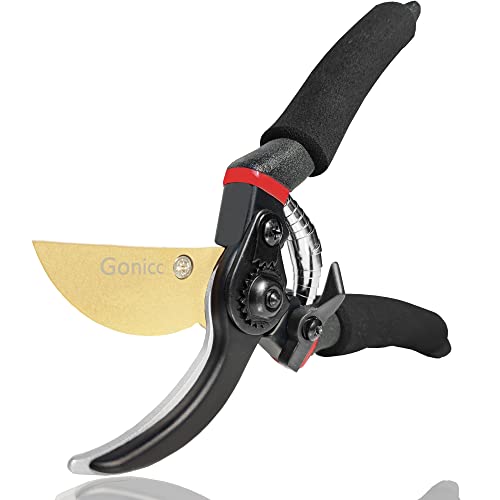
Drop-forged construction delivers exceptional durability and sturdiness for long-term heavy garden use.

LONG-LASTING SHARPNESS: Japanese SK5 bypass blade with titanium coating is tested through 5,000 cuts to maintain a sharp edge and deliver clean, consistent cuts on live stems and branches
Diseases
Fruit trees can be affected by a variety of diseases. Common diseases that can affect fruit trees include bacterial canker, fire blight, powdery mildew, scab, and brown rot. Bacterial canker is a disease caused by a bacterium that infects the bark of the tree and causes it to become discolored and cracked. Fire blight is another bacterial disease that affects many different types of fruit trees, causing the leaves and stems to become discolored and distorted. Powdery mildew is a fungal disease which causes white spots on the leaves, twigs, and fruit of the tree. Scab is a fungal disease that produces lesions on the leaves, twigs, and fruit of susceptible trees. Brown rot is a fungal disease that affects stone fruits such as cherries and plums. It causes the fruit to become soft and mushy as it rots away.
Insects
Insects can also be destructive to fruit trees. Common insects that affect fruit trees include aphids, mites, scale insects, borers, thrips, leafhoppers, and caterpillars. Aphids are small green or black insects that suck sap from leaves causing them to curl up or turn yellow. Mites are tiny spiders-like creatures that feed off of plant sap causing discoloration on leaves. Scale insects are small round insects that attach themselves onto branches in large numbers causing damage to the tree’s bark. Borers are larvae of beetles or moths which burrow into tree trunks causing damage to the wood inside. Thrips are tiny insects with fringed wings which feed on plant sap leaving behind silver flecks on leaves. Leafhoppers are small yellowish-green or brownish-black bugs which suck sap from leaves leaving behind light spots or streaks on them. Caterpillars are worm-like insects which feed off of tender new foliage or flowers resulting in extensive damage.
How To Minimize Damage During Pruning Of Fruit Trees
Pruning fruit trees is a necessary part of maintaining a healthy and productive tree. Pruning helps to shape the tree and encourages growth, but it can also cause damage if done improperly. To minimize damage during pruning, there are some important steps that should be taken to ensure the health of the tree.
First, it is important to use the proper tools for pruning. Dull or damaged tools can cause tearing of the bark and branches, leading to infection or disease. Make sure that you have a pair of sharp, clean pruning shears as well as a saw for larger branches.
Second, it is important to plan ahead when pruning fruit trees. Remove only dead or diseased branches first and avoid cutting too much at once. This will allow the tree time to heal itself before more cuts are made. Also, be sure to cut at an angle so that water will run off and avoid pooling around the cut area.
Third, avoid wounding the trunk or major limbs when making cuts. This can open up an entry point for disease or insects. Always make sure that your cuts are clean and smooth with no jagged edges that could trap moisture and cause rot or infection.
Finally, don’t forget to disinfect your tools after every use with rubbing alcohol or bleach solution to prevent spreading diseases from one tree to another. This is especially important if you are pruning multiple trees in one session.
By following these simple steps, you can ensure that your fruit trees stay healthy and productive for years to come!

Conclusion
Pruning is an important part of maintaining a healthy fruit tree. It should be done at least once a year to promote strong growth, shape the tree, and control pests and diseases. Pruning should be done in late winter or early spring before bud break. This will help the tree produce more fruit and reduce the risk of infection. It is also important to remove dead or diseased branches and any water sprouts that may form. Pruning can be done with either hand pruners or powered tools, depending on the size of the tree and the amount of pruning required. With proper care, a fruit tree can remain healthy and productive for many years.
Fruit trees provide an abundance of delicious fruits that can be enjoyed by people all over the world. By properly pruning them, you can help ensure that your fruit trees are healthy and productive for many years to come.
