

Plum trees thrive in Kentucky’s Bluegrass Region, benefiting from its temperate climate and well-drained soils. Understanding the specific climate conditions is crucial for optimal growth and fruit production.
Bluegrass Region Climate Impact on Plum Trees
The climate of Kentucky’s Bluegrass Region plays a crucial role in the growth and development of plum trees. Understanding the specific climatic conditions, such as temperature variations and precipitation patterns, is essential for successful cultivation and maximizing fruit yield. This section delves into how these environmental factors directly influence the health and productivity of plum trees in the area.
The Bluegrass Region of Kentucky features a temperate climate characterized by distinct seasons. The average temperature ranges from 25°F in winter to 85°F in summer.
This variation influences the growth cycle of plum trees significantly. Key climate factors include:
Precipitation: Average annual rainfall is about 40 inches, essential for plum tree hydration.
Frost Dates: Last frost typically occurs in late April, impacting flowering and fruit set.
Sunlight: Plum trees require full sun for at least six hours daily for optimal fruiting.
Kentucky Climate Data for Plum Trees
Understanding the climate data specific to Kentucky is essential for successful plum tree cultivation in the Bluegrass Region. This section delves into the key climatic factors, including temperature, rainfall, and seasonal variations, that influence the growth and productivity of plum trees in this unique environment. By examining these elements, growers can make informed decisions to optimize their orchards.
| Climate Factor | Average Value | Impact on Plum Trees |
|---|---|---|
| Average Temperature | 25°F to 85°F | Influences growth cycle |
| Annual Rainfall | 40 inches | Essential for hydration |
| Frost Dates | Late April | Affects flowering |
| Sunlight Hours | 6+ hours | Critical for fruiting |
Soil Quality Assessment for Plum Trees
Understanding the soil quality in Kentucky’s Bluegrass Region is crucial for the successful cultivation of plum trees. This section delves into the specific soil characteristics that influence growth, including pH levels, nutrient content, and drainage capabilities. By assessing these factors, growers can make informed decisions to enhance the health and productivity of their plum orchards.
Soil quality plays a vital role in the health of plum trees. The Bluegrass Region predominantly features clay and loamy soils, which can be amended for better drainage and nutrient retention. Key soil characteristics include:
pH Level: Ideal pH for plum trees is between 6.0 and 7.0.
Drainage: Well-drained soil prevents root rot.
Nutrient Content: Rich in organic matter supports healthy growth.
Recommended Products

Kindly NOTE: This soil tester can not be applied to test pH value of any other liquid. If the soil is too dry the indicator will not move, and water it before testing.

KNOW BEFORE YOU GROW | Grow the healthiest, sustainable lawn and garden with the most accurate and easy to use professional soil test kit on the market

Accurate Soil pH Testing: Dewildetradingco Soil pH Test Strips offer measurements of soil pH levels (pH 3.5-9). As an essential tool for every gardener and grower, these test strips help determine the optimal pH for various plants, such as outdoor plants, indoor plants, gardens, grass lawns, fruit trees, flowers, vegetables, and forest shrubs.
Soil pH Testing for Plum Trees
Understanding the soil pH is essential for the successful cultivation of plum trees in Kentucky’s Bluegrass Region. This section delves into the importance of soil acidity and alkalinity, providing insights on how to test and adjust pH levels to create optimal growing conditions for these fruit-bearing trees. Proper pH management can significantly influence tree health and fruit production.
Test Soil pH: Use a soil test kit to determine pH levels.
Amend Soil: Add lime to increase pH or sulfur to decrease it.
Improve Drainage: Incorporate organic matter like compost to enhance soil structure.
Fertilize: Apply a balanced fertilizer to ensure nutrient availability.
Pest and Disease Challenges for Kentucky Plums
Kentucky’s Bluegrass region presents unique challenges for plum tree cultivation, particularly concerning pests and diseases. The climate and environmental conditions create a favorable environment for various threats that can affect tree health and fruit production. Understanding these challenges is essential for effective management and successful plum farming in the area.
Pest and disease pressures can significantly affect plum trees in Kentucky. Common issues include:
Brown Rot: A fungal disease that affects fruit, requiring fungicide applications.
Plum Curculio: A beetle that damages fruit and requires targeted insecticide treatments.
Aphids: Small insects that can weaken trees, manageable with insecticidal soap.
Recommended Products
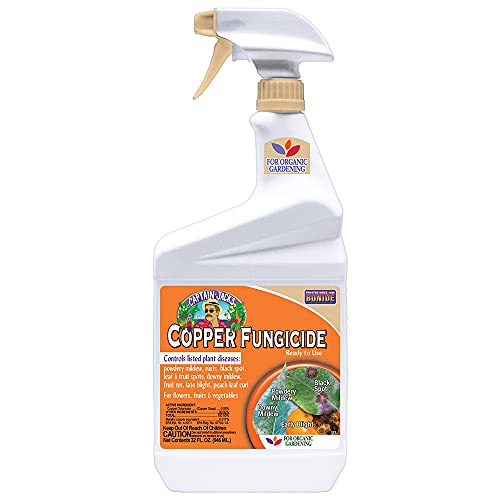
Control fungus and disease in your garden with Captain Jack’s ready-to-use Liquid Copper Fungicide!
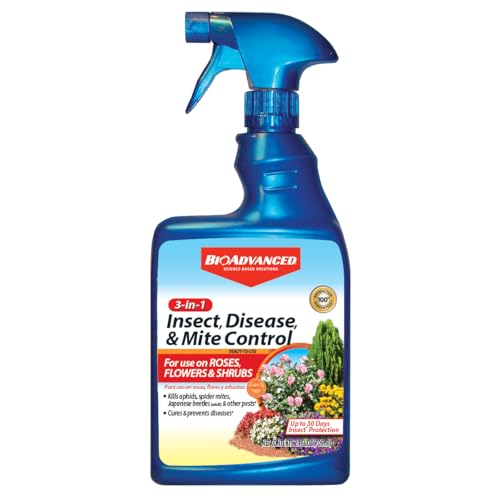
INSECT KILLER: Army worm killer. Also kills insects such as Aphids, Spider Mites, Japanese Beetles, Caterpillars, and other listed insects

CURES & PREVENTS LAWN DISEASES: Fungus Control for Lawns controls and prevents listed lawn diseases when used as directed; Can be used on all lawn types; Use only on lawns
Pest Surveillance Techniques for Plum Trees
Effective pest surveillance is crucial for maintaining the health of plum trees in Kentucky’s Bluegrass Region. This section explores various techniques used to monitor and manage pest populations, ensuring that these trees thrive in the unique climate conditions of the area. Understanding these methods can help growers protect their crops and enhance overall yield.
Regular Monitoring: Inspect trees weekly for signs of pests or disease.
Cultural Practices: Maintain tree health through proper watering and pruning.
Chemical Control: Use organic or synthetic pesticides as needed, following label instructions.
Plan for Seasonal Care
Caring for plum trees in Kentucky’s Bluegrass Region requires a seasonal approach tailored to the area’s unique climate. Understanding the specific needs of these trees throughout the year can significantly enhance their growth and fruit production. This section outlines essential care strategies to ensure the health and productivity of your plum trees across the changing seasons.
Seasonal care is essential for maintaining healthy plum trees. Each season presents unique challenges and opportunities for growth.
Recommended Products

3-Layer Insulation Design: Featuring a unique 3-layer structure of non-woven fabric, foam, and aluminum foil, this product offers exceptional insulation performance. This unique design effectively traps heat and prevents frost damage in cold weather.

3 Layers Materials:Tree root protective cover is made of three layers of material - nonwoven, sponge and aluminum film, which effectively protects the roots from cold weather and other conditions, avoiding winter icing and frost damage to the tree.

SIZE: You will get 2 rolls of tree protection wrap, each roll is about 65 feet long and 4.7 inches wide. Sufficient length to protect your trees, and plant wraps can be cut for multi-tree protection.
Spring Care for Kentucky Plum Trees
Spring is a crucial time for plum trees in Kentucky, particularly in the Bluegrass region, where the climate influences their growth and fruit production. Proper care during this season can significantly enhance tree health and yield. Understanding the specific needs of plum trees in this area will help ensure a fruitful harvest.
Spring: Fertilize and prune trees after the last frost.
Summer: Water regularly and monitor for pests.
Fall: Harvest fruit and prepare trees for winter by mulching.
Winter: Protect trees from harsh conditions with wraps or barriers.
Pest and Disease Management Risks
In the Bluegrass Region of Kentucky, plum trees face various pest and disease management challenges that can significantly impact their health and productivity. Understanding the specific risks associated with local climate conditions is essential for effective cultivation and protection strategies. This section delves into the primary threats and management practices relevant to plum trees in this unique environment.
Failure to manage pests and diseases can lead to significant crop loss.
Harvest Timing and Method for Plum Trees
Understanding the optimal harvest timing and methods for plum trees is crucial for maximizing yield in Kentucky’s Bluegrass Region. The unique climate conditions influence both the ripening process and the techniques used to gather fruit, ensuring that growers can achieve the best quality and flavor. This section delves into the specifics of when and how to effectively harvest plums in this area.
Harvesting techniques directly impact fruit quality and yield. Timing and method are crucial for maximizing the harvest.
Ripeness Monitoring for Plum Harvest
Monitoring the ripeness of plum trees is crucial for ensuring optimal harvests in Kentucky’s Bluegrass Region. Understanding the specific climatic conditions and growth patterns in this area can help farmers determine the best times for picking, ultimately enhancing fruit quality and yield. This section explores effective methods for assessing plum ripeness and the factors that influence it.
Monitor Ripeness: Check for color and firmness; plums should be slightly soft.
Use Proper Tools: Employ pruning shears for clean cuts.
Handle with Care: Avoid bruising fruit during collection.
Plum Tree Cultivation Best Practices in Kentucky
Plum trees thrive in Kentucky’s Bluegrass Region, where the climate offers unique opportunities and challenges for cultivation. Understanding the best practices for growing these trees is essential for maximizing yield and ensuring healthy fruit production. This section outlines effective strategies tailored to the region’s specific conditions, helping both novice and experienced growers succeed.
Proper climate analysis, soil preparation, pest management, seasonal care, and harvesting techniques are essential for successful plum tree cultivation in Kentucky’s Bluegrass Region.
