

Growing plum trees in Connecticut is feasible due to the region’s climate and soil conditions. Selecting the right varieties and understanding care requirements will ensure successful fruit production.
Selecting Ideal Plum Varieties for Connecticut
Connecticut’s climate is suitable for both European and Japanese plum varieties. European plums thrive in cooler temperatures and are more resilient to diseases. Japanese plums are sweeter and often preferred for fresh eating but can be more susceptible to pests. Consider these popular varieties:
| Variety Name | Type | Flavor Profile | Disease Resistance |
|---|---|---|---|
| Stanley | European | Sweet, tart | High |
| Satsuma | Japanese | Very sweet | Moderate |
| Damson | European | Tart, rich | High |
| Shiro | Japanese | Sweet, juicy | Moderate |
Select varieties based on your taste preference and local disease pressures.
Recommended Products

Versatile Fruit Use: The plums produced can be eaten fresh as a snack and are well-suited for home kitchen projects like creating preserves, jams, and baked goods.

10 Premium Plum Tree Seeds: Grow your own plum trees from our special collection of 10 premium seeds. Experience the rewarding process of cultivating these fruit-bearing trees that will provide delicious, sweet plums for years to come.

Premium Variety: High-quality Golden Plum seeds specifically selected for home gardeners looking to establish a productive fruit tree
Soil Preparation for Healthy Plum Trees
Proper soil preparation is crucial for cultivating healthy plum trees in Connecticut’s unique climate. Understanding the specific soil requirements and amendments can significantly enhance growth and fruit production. This section outlines essential steps to create an optimal growing environment for your plum trees.
Soil preparation is crucial for healthy plum trees. Aim for well-drained soil with a pH between 6.0 and 7.0.
Conduct a soil test to determine nutrient levels and amend as necessary. Follow these steps:
Clear debris and weeds from the planting area.
Test soil for pH and nutrient content.
Amend soil with compost or well-rotted manure to enhance fertility.
Till soil to a depth of 12 inches for aeration.
Proper soil preparation promotes strong root development and overall tree health.
Optimal Timing for Plum Tree Planting
Understanding the best timing for planting plum trees is crucial for successful growth in Connecticut’s unique climate. This section will explore the ideal seasons and conditions that promote healthy establishment and fruit production, ensuring that your plum trees thrive in New England’s diverse environment. Proper timing can significantly impact their long-term health and yield.
Timing and technique are essential when planting plum trees. The best time to plant in Connecticut is during early spring after the last frost. Follow these steps for successful planting:
Dig a hole twice the width of the root ball.
Place the tree in the center of the hole, ensuring the graft union is above soil level.
Backfill with soil and gently pack it down to remove air pockets.
Water thoroughly to settle the soil around the roots.
Proper planting ensures a strong start for your plum trees.
Essential Plum Tree Care Practices
Caring for plum trees in Connecticut requires a tailored approach to ensure healthy growth and fruitful yields. Understanding the specific needs of these trees in New England’s climate is crucial for successful cultivation. This section outlines essential practices that will help you nurture your plum trees effectively.
Regular care is vital for healthy growth and fruit production. Focus on watering, fertilization, and pest management. Here are key care practices:
Water deeply once a week during dry spells.
Fertilize with a balanced fertilizer in early spring.
Prune annually to promote air circulation and remove dead wood.
Monitor for pests such as aphids and plum curculio.
Implementing these practices will enhance fruit yield and tree vitality.
Recommended Products

IDEAL BRANCH TRIMMER: 28" Steel blade garden bypass lopper that glides through up to 1.5" thick branches for easy cuts; Works well for trimming tree branches to maintain your yard and garden, and to encourage overall plant health and appearance
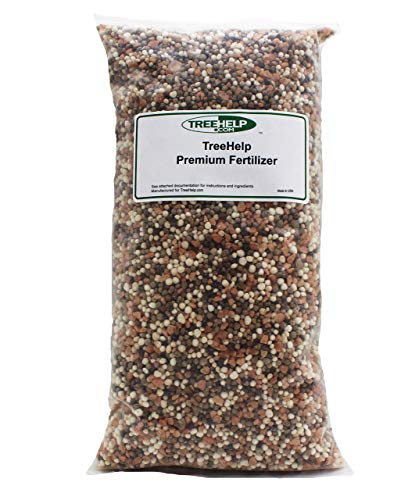
Approximately 3 Pounds

Let our professionally formulated plant food help your fruit tree grow healthy, strong AND abundantly producing
Common Pests Affecting Plum Trees
Plum trees in Connecticut face various pest challenges that can significantly impact their health and fruit production. Understanding these common pests is essential for effective management and ensuring a thriving orchard. This section delves into the most prevalent pests affecting plum trees in the region and offers insights on how to address them.
Pests can significantly impact plum tree health. Identifying and managing these pests early is crucial. Common pests include:
Aphids: Small insects that suck sap from leaves.
Plum curculio: A beetle that damages fruit by laying eggs inside.
Spider mites: Tiny pests that cause leaf discoloration.
To manage pests, consider these actions:
Inspect trees regularly for signs of infestation.
Use insecticidal soap for aphid control.
Apply neem oil to deter plum curculio.
Encourage beneficial insects like ladybugs to control pests naturally.
Proactive pest management will help maintain tree health.
Recommended Products
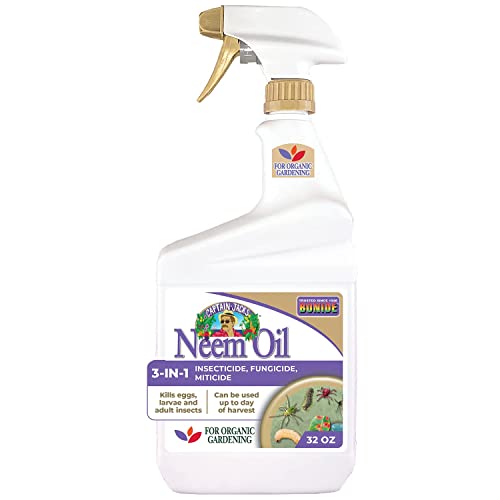
Protect your oasis with 3 garden products in 1 from Captain Jack’s; Bonide Captain Jack’s Ready-to-Use Neem Oil spray for plants is a multi-purpose fungicide, insecticide and miticide for your lawn & garden
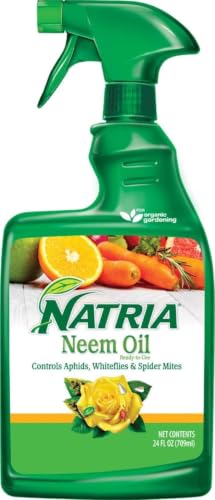
PLANT DISEASE CONTROL: Natria Neem Oil acts as an insecticide and fungicide in one convenient spray; Ready-to-use trigger sprayer requires no mixing

FUNGAL DISEASE CONTROL: Prevents and controls black spot on roses, powdery mildew, rust, downy mildew, and other listed fungal diseases when applied on a 7–14 day schedule
Identifying Plum Tree Disease Symptoms
Understanding the symptoms of plum tree diseases is crucial for maintaining healthy trees in Connecticut’s unique climate. This section will outline the common signs of disease that can affect plum trees, helping you recognize issues early and take appropriate action to ensure the vitality of your orchard. By being vigilant, you can protect your investment and enjoy a fruitful harvest.
Diseases can hinder plum tree growth and fruit production. Common diseases in Connecticut include brown rot and black knot. Recognizing symptoms early is essential.
| Disease Name | Symptoms | Treatment |
|---|---|---|
| Brown rot | Soft, brown fruit | Remove infected fruit |
| Black knot | Dark, swollen galls on branches | Prune affected areas |
Implementing proper sanitation and pruning practices can minimize disease impact.
Optimal Plum Harvest Timing
Understanding the best time to harvest plums is crucial for maximizing flavor and quality. In Connecticut, the timing can vary based on the specific variety and local climate conditions. This section will provide insights into when to pick plums for optimal taste and texture, ensuring a successful harvest.
Timing your harvest is critical for optimal flavor. Plums should be harvested when they are fully colored and slightly soft to the touch. Follow these steps for successful harvesting:
Check color: Look for vibrant color specific to the variety.
Gently squeeze the fruit to test for softness.
Twist and pull to detach the fruit from the tree.
Harvesting at the right time ensures the best flavor and texture.
