
Close Menu
    Fruit Tree Hub
    • Home
    • Apple Trees
    • Lemon Trees
    • Mango Trees
    • Orange Trees
    • More Trees
      • Best Fruit Trees
      • Apricot Trees
      • Cherry Trees
      • Fig Trees
      • Lime Trees
      • Mulberry Trees
      • Peach Trees
      • Pear Trees
      • Plum Trees
      • Pomegranate Trees
    • Tips and Advice
      • Tools
    • About Us
      • Contact
      • Privacy Policy
    Fruit Tree Hub
    Home»Planting»Plum Trees in a Pot in South Dakota (High Plains Potting Tips)
    Planting

    Plum Trees in a Pot in South Dakota (High Plains Potting Tips)

    Lucy SmithBy Lucy SmithMarch 27, 20265 Mins Read
    Share Facebook Twitter Pinterest WhatsApp Email
    Share
    Facebook Twitter LinkedIn Pinterest Telegram Email

    Growing plum trees in pots in South Dakota requires careful selection of varieties and potting techniques to ensure healthy growth. Choosing cold-hardy varieties and using appropriate soil and pot sizes are essential for success in the High Plains climate.

    Contents show
    1 Cold-Hardy Plum Tree Options for Containers
    1.1 Top Plum Tree Varieties for South Dakota
    2 Ideal Potting Soil for Plum Trees
    2.1 Soil Mix Essentials for Potted Plum Trees
    3 Optimal Pot Sizes for Plum Trees
    3.1 Optimal Pot Sizes for Young Plum Trees
    4 Watering and Fertilizing Plum Trees in Pots
    4.1 Potting Watering and Fertilizing Strategies
    5 Pest Control Strategies for Potted Plums
    5.1 Pest Management for Potted Plum Trees
    6 Seasonal Care Strategies for Potted Plums
    6.1 Spring Care for Potted Plum Trees

    Cold-Hardy Plum Tree Options for Containers

    When selecting plum trees for potting in South Dakota, focus on cold-hardy varieties that can withstand harsh winters. Varieties like Stanley and Methley are known for their resilience and adaptability to the High Plains climate. These types not only produce sweet fruits but also thrive in containers, making them ideal for limited spaces.

    Top Plum Tree Varieties for South Dakota

    When selecting plum trees for container gardening in South Dakota, it’s essential to choose varieties that thrive in the region’s unique climate. The right plum tree can provide both beauty and fruit, making it a rewarding addition to your outdoor space. Here are some top plum tree varieties well-suited for potting in the High Plains.

    • Stanley: Known for its sweet, flavorful fruit and excellent hardiness.

    • Methley: A self-pollinating variety that produces juicy plums.

    • Toka: Offers unique flavor and is also cold-resistant.

    MUST READ
    Pomegranate Trees in a Pot in Dallas, TX: Heat Protection Guide
    VarietyHardiness ZoneSelf-PollinatingFruit Flavor
    Stanley4-9NoSweet
    Methley5-9YesJuicy
    Toka4-9YesUnique

    Ideal Potting Soil for Plum Trees

    Using the correct potting soil is crucial for the health of your plum trees. A well-draining mix that retains moisture is ideal. Look for potting soils that contain a blend of peat moss, perlite, and compost. This combination provides essential nutrients while allowing excess water to drain away.

    Soil Mix Essentials for Potted Plum Trees

    Choosing the right soil mix is crucial for the health and productivity of potted plum trees in South Dakota’s unique climate. The right blend not only supports growth but also ensures proper drainage and nutrient retention. Understanding the essential components of an effective soil mix will help you cultivate thriving plum trees in pots.

    • Peat Moss: Retains moisture and provides aeration.

    • Perlite: Improves drainage and prevents soil compaction.

    • Compost: Adds nutrients and beneficial microorganisms.

    Optimal Pot Sizes for Plum Trees

    The size of the pot directly affects the growth of your plum tree. A larger pot allows for better root development and moisture retention. A pot with a diameter of at least 18 inches is recommended for young trees, while mature trees may require pots up to 24 inches in diameter.

    Optimal Pot Sizes for Young Plum Trees

    Choosing the right pot size is crucial for the healthy growth of young plum trees, especially in the unique climate of South Dakota. The optimal pot size not only supports root development but also ensures proper drainage and moisture retention. Understanding these factors will help you create an ideal environment for your young plum trees to thrive.

    • Young Trees: 18-inch diameter pot.

    • Mature Trees: 24-inch diameter pot.

    • Drainage: Ensure pots have adequate drainage holes.

    MUST READ
    Growing Quince Trees in a Pot in South Carolina (Pro Advice)

    Watering and Fertilizing Plum Trees in Pots

    Proper watering and fertilizing are essential for thriving plum trees in pots. Watering should be consistent, allowing the top inch of soil to dry out before re-watering. Fertilize with a balanced, slow-release fertilizer during the growing season to support healthy growth and fruit production.

    Recommended Products
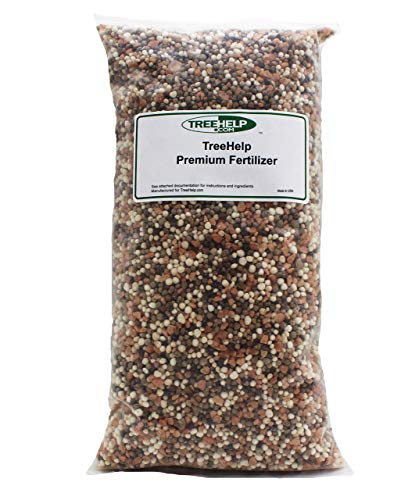
    TreeHelp Premium Fertilizer for Plum
    TreeHelp Premium Fertilizer for Plum

    Approximately 3 Pounds

    VIEW LATEST PRICE

    As an affiliate, we earn on qualifying purchases.

    Caulimo Deep Root Watering Tool for Trees, Tree Watering Spike with Fertilizer Bottle, Stainless Steel Root Feeder for Garden, Orchard & Shrubs, Tree Irrigation System with Brass Valve, T-Handle
    Caulimo Deep Root Watering Tool for Trees, Tree Watering Spike with Fertilizer Bottle, Stainless Steel Root Feeder for Garden, Orchard & Shrubs, Tree Irrigation System with Brass Valve, T-Handle

    4-Hole Side Design: This high-performance tree watering spike makes it easy to deliver water and fertilizer directly to the root zone. The upgraded side-hole design helps improve watering efficiency, while the sharp tip makes it easy to push into hard or compact soil. The 4 side outlets help reduce clogging and distribute water more evenly for deep root watering and feeding.

    VIEW LATEST PRICE

    As an affiliate, we earn on qualifying purchases.

    Jobe’s Organics Granular Garden Fertilizer, Easy Plant Care Fertilizer for Fruit and Citrus Plants and Trees, 4 lbs Bag
    Jobe’s Organics Granular Garden Fertilizer, Easy Plant Care Fertilizer for Fruit and Citrus Plants and Trees, 4 lbs Bag

    Package contains 4 Pounds organic fruit and citrus fertilizer grains and is produced to avoid wasteful runoff, mess, hazards and smells

    VIEW LATEST PRICE

    As an affiliate, we earn on qualifying purchases.

    Potting Watering and Fertilizing Strategies

    Successfully growing plum trees in pots in South Dakota requires careful attention to watering and fertilizing. The unique climate conditions of the High Plains can pose challenges, making it essential to adopt specific strategies that ensure your potted trees thrive. Understanding the right balance of moisture and nutrients will help you cultivate healthy, productive plum trees.

    • Watering Frequency: Every 1-2 weeks, depending on weather.

    • Fertilizer Type: Balanced, slow-release fertilizer.

    • Application Rate: Follow package instructions for dosage.

    MUST READ
    Can Avocado Trees Grow in San Francisco, CA? (Fog and Soil Tips)

    Pest Control Strategies for Potted Plums

    Pest and disease management is crucial for maintaining healthy plum trees. Regular inspections for common pests like aphids and spider mites can prevent infestations. Use organic insecticidal soap or neem oil for treatment. Additionally, ensure good air circulation around the tree to minimize disease risks.

    Pest Management for Potted Plum Trees

    Managing pests effectively is crucial for the health of potted plum trees in South Dakota’s unique climate. This section explores common pests that affect these trees and provides practical strategies for prevention and control, ensuring your plants thrive in their containers. Understanding these pest management techniques will help you maintain robust and fruitful plum trees.

    • Aphids: Use insecticidal soap.

    • Spider Mites: Apply neem oil.

    • Fungal Diseases: Ensure good air circulation.

    Pest/DiseaseSymptomsTreatment
    AphidsCurling leavesInsecticidal soap
    Spider MitesWebbing on leavesNeem oil
    Fungal DiseasesWilting, discolorationImprove air circulation

    Seasonal Care Strategies for Potted Plums

    Adapting care routines throughout the seasons ensures your plum trees thrive. In spring, focus on fertilization and watering. Summer requires regular pruning to maintain shape and encourage airflow. In fall, prepare the trees for winter by reducing watering and applying mulch to protect roots.

    Spring Care for Potted Plum Trees

    Spring is a crucial time for potted plum trees in South Dakota, as proper care can significantly impact their growth and fruit production. With the unique climate challenges of the High Plains, understanding how to nurture these trees during this season will ensure they thrive and yield a bountiful harvest. Here are essential tips for maintaining your potted plum trees this spring.

    • Spring: Fertilize and water regularly.

    • Summer: Prune for shape and airflow.

    • Fall: Reduce watering and apply mulch.

    MUST READ
    Quince Trees in a Pot in New Jersey (Garden State Potting Guide)

    Regular monitoring and proper care will lead to fruitful harvests from your plum trees in pots.

    Share. Facebook Twitter Pinterest LinkedIn Tumblr Email
    lucy smith
    Lucy Smith
    • Website

    Lucy Smith is a highly experienced horticulturist with a passion for fruit tree cultivation. She holds a degree in Horticulture from the University of California, Davis, and has worked in various roles in the industry. With over 10 years of experience, Lucy is dedicated to using eco-friendly methods for sustainable gardening practices.

    Related Posts

    Can Olive Trees Grow in New Jersey? Garden State Growth Tips

    July 11, 2026

    Can Star Fruit Trees Grow in Missouri? Expert Variety Guide

    July 10, 2026

    How to Grow Jujube Trees in Las Vegas, NV: Desert Growth

    July 10, 2026

    Mango Trees in Illinois: Indoor and Greenhouse Growth Secrets

    July 10, 2026

    Growing Papaya Trees in Oklahoma: High Heat Resilience

    July 10, 2026

    Tamarind Trees in a Pot in Ohio (Complete Maintenance Manual)

    July 10, 2026
    Leave A Reply Cancel Reply

    Affiliate Disclosure

    As an Amazon Associate I earn from qualifying purchases.

    Recommended Reading

    How to Grow a Banana Kiwi at Home: A Comprehensive Guide for Exotic Fruit Lovers

    When Do You Plant Raspberries: A Guide to Successful Growth and Harvest

    Is Jujube Wood Useful for Crafting

    Can You Spray Apple Trees With Fruit on Them: Essential Tips for Safe Application and Success

    Growing Raspberries in a Pot: A Complete Guide for Success

    How to Squirrel Proof Fruit Trees: Effective Strategies to Protect Your Harvest

    How to Get Seeds Out of Blackberries for Jam: Tips for Seedless Perfection

    How to Make Apple Trees Produce Fruit: Key Steps for a Bountiful Harvest

    How to Air Layering Fruit Trees: A Step-by-Step Guide for Successful Propagation

    Peach Trees in a Pot in New York City, NY: Rooftop Garden Tips

    Fruit Tree Hub

    Fruit Tree Hub is a website dedicated to providing you everything you need to grow fruit trees successfully at in your own yard.

    Contact us at: [email protected]

    - AFFILIATE DISCLOSURE: As an Amazon Associate I earn from qualifying purchases.

    Latest Posts

    Can Olive Trees Grow in New Jersey? Garden State Growth Tips

    Can Star Fruit Trees Grow in Missouri? Expert Variety Guide

    How to Grow Jujube Trees in Las Vegas, NV: Desert Growth

    Mango Trees in Illinois: Indoor and Greenhouse Growth Secrets

    Growing Papaya Trees in Oklahoma: High Heat Resilience

    Tamarind Trees in a Pot in Ohio (Complete Maintenance Manual)

    Can Fig Trees Grow in Long Beach, CA? Coastal Salt Tips

    Plum Trees in District of Columbia (Urban Microclimate Tips)

    Categories
    • Almond Trees
    • Apple Trees
    • Apricot Trees
    • Best Fruit Trees
    • Blackberry
    • Cantaloupe
    • Cherry Trees
    • Crochet Ideas
    • Crochet Ideas for Beginners
    • Cucamelon
    • Easy Crochet Ideas
    • Easy Knitting Projects
    • Fig Trees
    • Grapefruit Trees
    • Grapes
    • Guava Trees
    • Honeydew
    • Jujube Trees
    • Kiwi
    • Knitting For Beginners
    • Knitting Ideas
    • Knitting Inspiration
    • Lemon Trees
    • Lime Trees
    • Loquat Trees
    • Mango Trees
    • Mulberry Trees
    • Nectarine Trees
    • Olive Trees
    • Orange Trees
    • Papaya Trees
    • Peach Trees
    • Pear Trees
    • Persimmon Trees
    • Planting
    • Plum Trees
    • Pomegranate Trees
    • Quince Trees
    • Raspberry
    • Reviews
    • Small Crochet Ideas
    • Star Fruit Trees
    • Summer Crochet Ideas
    • Tamarind Trees
    • Tangerine Trees
    • Tips and Advice
    • Tools
    • Uncategorized
    • Walnut Trees
    © 2026 Fruit Tree Hub
    • Home
    • About Us
    • Contact
    • Privacy Policy
    • Terms and Conditions
    • Disclaimer
    • Editorial Policy
    • Affiliate Disclosure

    Type above and press Enter to search. Press Esc to cancel.