

Choosing the best persimmon trees for potting in California involves selecting varieties that thrive in the region’s climate and soil conditions. The Fuyu and Hachiya persimmons are excellent options for container gardening, offering sweet fruit and beautiful foliage.
Top Persimmon Varieties for Container Growth
Selecting the right persimmon variety is crucial for successful pot cultivation. The Fuyu is non-astringent and can be eaten while firm, making it popular for fresh eating. The Hachiya is astringent until fully ripe, providing a rich flavor ideal for baking and desserts.
| Variety | Type | Ripening Time | Flavor Profile |
|---|---|---|---|
| Fuyu | Non-astringent | Early Fall | Sweet, crunchy |
| Hachiya | Astringent | Late Fall | Rich, sweet |
Recommended Products

Produces sweet and flavorful Kaki Persimmons that can be eaten fresh or dried
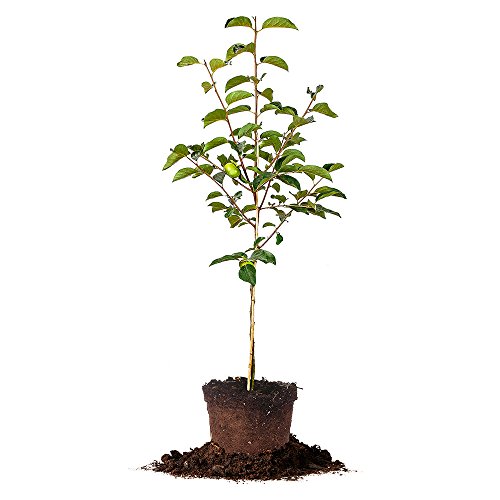
The Fuyu Persimmon is a non-astringent, sweet, delicious treat

Growing Diospyros Kaki Seeds: The seeds need a period of cold, moist stratification to break dormancy and encourage germination, mimicking winter conditions. Germination can take 14-28 days after planting. The seeds thrive in a moist, well-drained, fertile loam soil with a PH between 6.0 and 7.5. It prefers deep, slightly acidic loams and tolerates sandy or heavy clay soils with good drainage. Avoid waterlogged or poorly drained sites. Requires full sun exposure of at least 6 to 8 hours daily.
Potting Techniques for California Persimmons
Successfully potting persimmon trees in California requires specific techniques tailored to the region’s climate and soil conditions. Understanding the nuances of potting, including soil selection, container size, and watering practices, can significantly enhance the growth and fruit production of these trees. This section outlines effective strategies to ensure your potted persimmons thrive in California’s unique environment.
California’s diverse climate requires specific potting techniques to ensure healthy growth. Use a well-draining potting mix that retains moisture without becoming soggy. Ensure the pot has drainage holes to prevent root rot.
Optimal Container Size for Persimmons
Choosing the right container size is crucial for successfully growing persimmon trees in pots, especially in California’s unique climate. The optimal pot size not only supports healthy root development but also ensures the tree receives adequate nutrients and water. Understanding these requirements will help you cultivate a thriving persimmon tree in your garden or patio.
Select a container that is at least 15 gallons for optimal growth. A larger pot allows for better root development and moisture retention. Consider using ceramic or plastic pots that can withstand California’s heat without cracking.
Potting Mix and Fertilizer Guidelines
Choosing the right potting mix and fertilizer is crucial for successfully growing persimmon trees in pots, especially in California’s unique climate. The right combination will not only support healthy growth but also enhance fruit production. Understanding these guidelines will help you create an ideal environment for your potted persimmons.
Use a potting mix enriched with organic matter. A blend of peat moss, perlite, and compost works well. Fertilize with a balanced, slow-release fertilizer every 6-8 weeks during the growing season.
| Fertilizer Type | Application Frequency | Recommended Ratio |
|---|---|---|
| Slow-release | Every 6-8 weeks | 10-10-10 |
| Organic compost | Monthly | N/A |
Container Watering Strategies for Persimmon Trees
Proper watering is essential for the health of persimmon trees in pots. Check the soil moisture regularly, as containers can dry out quickly in warm weather. Water deeply until it drains from the bottom, ensuring the entire root system is hydrated.
Recommended Products
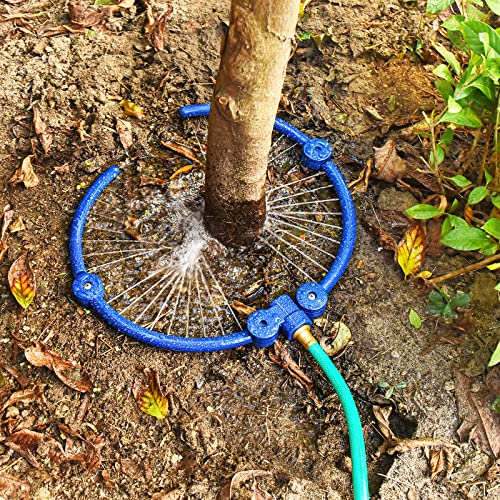
【Specially Designed for Trees and Shrubs】 The Watering Ring is a multi-purpose irrigation ring that attaches to a garden hose to efficiently water young trees shrubs vegetables or flower beds using drip or trickle irrigation.It directs water to the root perimeter of the plant to give them a good start during the first two growing seasons or through periods of drought.
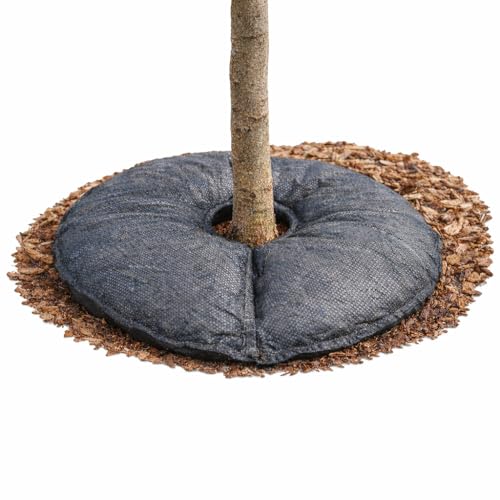
For Plants and Trees that with root balls about 12” in dia., (11-15”, e.g. 3-10 Gallon Container Sizes have top diameters between 11-15”) - Uses 99% LESS WATER than traditional tree bag over the course of multiple seasons for better establishment of the newly planted trees and shrubs! When the plant root ball is larger than 15”, the 36”, 48”, or multiple units of these larger sized SteadySpring Tree Mats are recommended to cover an area double of the root ball size or at least 20” larger than the root ball.

Quick & Easy Filling: No adjustments required and kid friendly operation for hassle-free watering
Watering Indicators for Potted Persimmons
Understanding how to gauge when your potted persimmon trees need water is essential for their health and productivity. In California’s varied climate, recognizing the signs of thirst can help you maintain optimal soil moisture levels. This section will explore key indicators that signal when it’s time to water your persimmons for the best results.
Recognizing the signs of improper watering can save your tree. Yellowing leaves may indicate overwatering, while wilting leaves suggest underwatering. Adjust your watering schedule accordingly to maintain optimal moisture levels.
Pest Control for Container-Grown Persimmons
Container-grown persimmons in California can be susceptible to various pests that threaten their health and productivity. Effective pest control is essential to ensure these trees thrive in pots, allowing for fruitful harvests. This section will explore practical strategies to manage and prevent pest infestations in your potted persimmon trees.
Container-grown persimmons can be susceptible to pests and diseases. Regularly inspect for aphids, spider mites, and scale insects. Use insecticidal soap or neem oil as a treatment.
Recommended Products


Plant-Based Pest Protection: Helps protect plants from common pests including gnats, spider mites, aphids, fungus issues, and other plant-damaging insects using plant-based ingredients.
Disease Prevention Strategies for Potted Persimmons
Growing persimmons in pots can be rewarding, but it’s essential to be proactive about disease prevention to ensure healthy trees. This section outlines effective strategies tailored for potted persimmons in California, helping you maintain vibrant plants and maximize fruit production while minimizing the risk of common ailments.
To prevent disease, ensure good air circulation around the tree. Avoid overcrowding pots and provide adequate spacing between plants. Regularly remove fallen leaves and debris from the pot’s surface.
| Pest/Disease | Symptoms | Treatment |
|---|---|---|
| Aphids | Curling leaves | Insecticidal soap |
| Spider mites | Webbing on leaves | Neem oil |
| Root rot | Wilting, yellowing | Improve drainage |
Potted Persimmon Seasonal Care Guidelines
Caring for potted persimmon trees in California requires attention to seasonal changes to ensure healthy growth and fruit production. Understanding the specific needs of these trees throughout the year can help you optimize their care, from watering and fertilization to protection against pests and diseases. This section provides essential guidelines tailored to the unique climate and conditions of California.
Understanding seasonal care is vital for the success of your potted persimmons. In winter, protect your trees from frost by moving them to a sheltered location. During the summer, ensure they receive adequate sunlight, ideally 6-8 hours daily.
Persimmon Tree Pruning for Optimal Growth
Pruning is essential for maintaining the health and productivity of persimmon trees, especially when grown in pots. Proper techniques not only encourage optimal growth but also enhance fruit quality and tree structure. Understanding the best practices for pruning will ensure your potted persimmon thrives in California’s unique climate.
Prune your persimmon trees in late winter to shape the tree and remove dead or diseased branches. This encourages healthy growth and improves air circulation. Use sharp, clean pruning shears to make clean cuts.
| Pruning Time | Purpose | Recommended Tools |
|---|---|---|
| Late Winter | Shape and remove | Sharp pruning shears |
| Summer | Maintain size | Hand pruners |
Container Care for Persimmon Trees
Caring for persimmon trees in containers requires attention to specific needs that differ from those planted in the ground. In California’s varied climate, understanding how to manage soil, watering, and sunlight will ensure your potted persimmons thrive. This section provides essential tips for nurturing these trees in a pot, helping you enjoy their delicious fruit even in limited space.
Container gardening requires ongoing attention and care. Monitor your persimmon trees for signs of stress and adjust your care routine as needed. Regular maintenance will ensure a fruitful harvest and healthy plants.
