

Growing pear trees in Vermont requires an understanding of New England’s unique climate and soil conditions. Selecting hardy varieties and implementing proper care techniques will ensure successful growth and fruit production. This guide provides essential insights into cultivating pear trees in this region.
Vermont Hardy Pear Tree Cultivars
Vermont’s unique climate presents both challenges and opportunities for growing pear trees. Certain cultivars have adapted particularly well to the region’s cold winters and variable weather, making them ideal choices for local gardeners. Understanding these hardy varieties can enhance your chances of a successful pear harvest in New England.
Choosing the right pear tree varieties is crucial for thriving in Vermont’s climate. Look for cultivars that can withstand cold winters and adapt to varying soil conditions. Some recommended varieties include:
Bartlett: Known for its sweet flavor and adaptability.
Bosc: Offers a unique taste and excellent storage capabilities.
Kieffer: A hybrid that is resistant to disease and cold.
These varieties not only thrive in colder temperatures but also produce quality fruit.
Recommended Products

Light: Thrives in full sun for best fruit production.

These are ready to plant and should be put in the ground according to the included instructions upon arrival. All pictures are of fully grown plants. Sizes shipped are in the title and description. Deciduous plants do not have leaves in the winter.

Common Pear (Pyrus communis) The Common Pear tree can reach heights of 20 to 30 feet. Fall color is red to maroon. Grow your own edible Bartlett pears. Soil Type: Prefers light, rich soils with good drainage. Will tolerate heavier, clay-rich soils as well.
Vermont Soil Types for Pear Tree Growth
Understanding the soil types in Vermont is crucial for successful pear tree cultivation. The region’s diverse geology influences soil composition, drainage, and nutrient availability, all of which play a significant role in the health and productivity of pear trees. This section delves into the specific soil characteristics that support optimal growth in Vermont’s unique climate.
Soil quality significantly impacts the growth of pear trees. Vermont’s soil can vary from sandy to clay, affecting drainage and nutrient availability. Here are key factors to consider:
Soil pH: Aim for a pH between 6.0 and 7.0 for optimal growth.
Drainage: Ensure well-draining soil to prevent root rot.
Organic Matter: Incorporate compost to enrich the soil.
Planting in the right conditions will help establish strong root systems.
Essential Pear Tree Maintenance Practices
Maintaining pear trees in Vermont requires specific practices tailored to the region’s unique climate and soil conditions. Understanding these essential maintenance techniques is crucial for ensuring healthy growth and fruitful harvests. From pruning to pest management, these practices will help you cultivate thriving pear trees that can withstand New England’s challenges.
Proper care is essential for maintaining healthy pear trees. Regular maintenance tasks include:
Watering: Provide consistent moisture, especially during dry spells.
Pruning: Trim branches during dormancy to encourage growth and improve air circulation.
Fertilizing: Use a balanced fertilizer in early spring to support growth.
These practices will enhance fruit production and tree health.
Recommended Products

Adjustable and Durable Handle - Extendable Loppers: The lopping shears are adjustable from 16 inches to 24 inches, allowing you to handle tall branches easily. The iron arm is more sturdy and durable, and will not bend even when cutting large and thick branches.
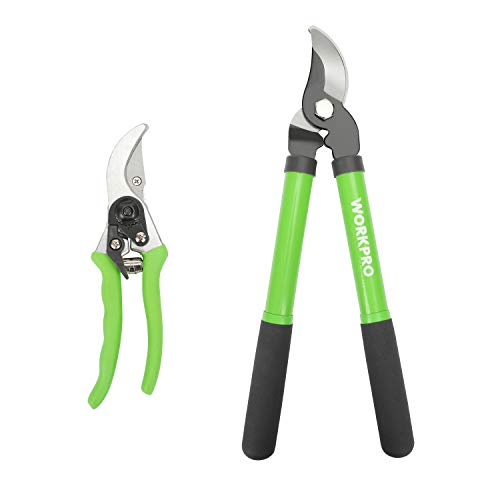
Ideal for pruning flowers and other garden plants

Heat-Treated Serrated Saw Blade: 8" saw blade designed for efficient cutting of branches and tough materials, ensuring sharpness and durability.
Pear Tree Care Frequency and Timing
Caring for pear trees in Vermont requires attention to specific timing and frequency to ensure healthy growth and fruit production. Understanding the seasonal needs of these trees is essential for maximizing their potential in New England’s unique climate. This section delves into the critical care routines necessary for thriving pear trees in the region.
| Care Task | Frequency | Best Time to Perform |
|---|---|---|
| Watering | Weekly | During dry spells |
| Pruning | Annually | Late winter |
| Fertilizing | Biannually | Early spring |
Pest and Disease Management for Pear Trees
Managing pests and diseases is crucial for the health and productivity of pear trees in Vermont’s unique climate. Understanding the specific threats these trees face, along with effective management strategies, can significantly enhance their resilience and yield. This section delves into common pests and diseases that affect pear trees in New England and offers practical solutions for maintaining their vitality.
Pests and diseases can threaten the health of pear trees. Identifying and managing these issues is vital. Common threats include:
Pear Psylla: A sap-sucking insect that can weaken trees.
Fire Blight: A bacterial disease that causes wilting and blackening of blossoms.
Implementing integrated pest management strategies can minimize damage. Regular inspections and timely treatments will protect your trees.
Recommended Products

Control diseases and insects in your garden with Captain Jack’s Fruit Tree Spray Concentrate! Use on a variety of listed fruits, nuts and citrus plants.
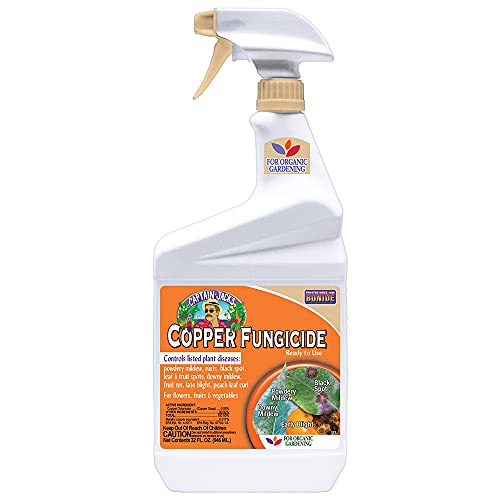
Control fungus and disease in your garden with Captain Jack’s ready-to-use Liquid Copper Fungicide!

TRIPLE PROTECTION FORMULA: 3-in-1 solution kills listed insects, controls listed diseases, and controls listed mites with one easy application
Optimal Timing for Pear Harvesting
Understanding the optimal timing for harvesting pears is crucial for achieving the best flavor and texture. In Vermont’s unique climate, knowing when to pick these fruits can significantly impact their quality. This section delves into the specific indicators and seasonal cues that guide the perfect pear harvest in New England.
Harvesting is a critical phase in the life cycle of pear trees. Timing is essential to ensure the best flavor and quality. Follow these guidelines:
Harvest Time: Pick pears when they are mature but still firm.
Storage Conditions: Store in a cool, dark place to prolong freshness.
Proper harvesting and storage techniques will maximize your yield and enjoyment of the fruit.
Cultivation Logistics for Pear Trees
Cultivating pear trees in Vermont requires an understanding of the region’s unique climate and soil conditions. This section delves into the essential logistics for successful pear tree cultivation, including site selection, planting techniques, and care practices tailored to New England’s hardiness challenges. By following these guidelines, growers can optimize their pear tree yields and ensure healthy growth.
When planning your pear tree cultivation, consider logistics such as spacing and location. Pear trees require sufficient sunlight and air circulation. Follow these recommendations:
Spacing: Plant trees at least 15 feet apart to allow for growth.
Sunlight: Choose a location that receives full sun for optimal fruit production.
These logistics will enhance your success in growing pear trees in Vermont.
Vermont Pear Tree Care Techniques
Caring for pear trees in Vermont requires an understanding of the unique climate and soil conditions of the region. By employing specific techniques tailored to New England’s hardiness zones, gardeners can ensure healthy growth and fruitful yields. This section explores essential care practices that will help you cultivate robust pear trees in Vermont’s challenging environment.
Growing pear trees in Vermont can be rewarding with the right approach. Focus on selecting hardy varieties, understanding soil conditions, and implementing effective care techniques. Regular monitoring for pests and diseases will further ensure healthy growth and fruitful harvests.
