

Cherry trees thrive in Lincoln, NE, offering a unique opportunity for local harvests. Understanding their care and optimal growing conditions can enhance fruit yield and tree health significantly.
Cherry Tree Varieties for Lincoln’s Climate
Lincoln, Nebraska’s unique climate presents both challenges and opportunities for cherry tree cultivation. Understanding the specific varieties that thrive in this region can significantly enhance your chances of a successful harvest. This section explores the best cherry tree options suited to Lincoln’s weather conditions, ensuring you make informed choices for your garden.
Cherry trees come in various types, each with distinct characteristics and care requirements. The most common varieties in Lincoln include sweet cherries and sour cherries.
Sweet cherries are typically larger and ideal for fresh eating, while sour cherries are better suited for cooking and baking. Selecting the right variety is crucial for successful cultivation in the Great Plains climate.
Recommended Products
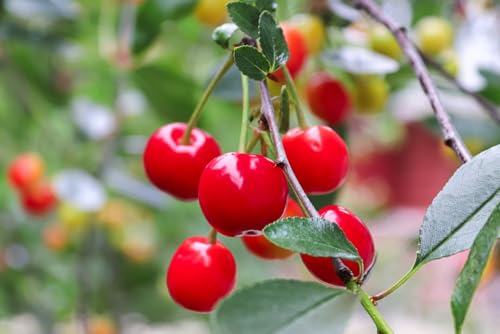
FRESH SEEDS: The Evans Cherry is a tough variety, thriving in the harsh climate of the Canadian prairies where cherries were once thought to be non-viable. Rediscovered by Ieuan Evans in an old orchard near Edmonton, Alberta, this self-pollinating sour cherry grows on its own rootstock, eliminating grafting problems and producing abundant fruit.


🍒 BLACK CHERRY TREE (PRUNUS SEROTINA): Grow a fast-growing native fruit tree known for producing dark cherries for eating and cooking, and supporting local ecosystems, wildlife, and pollinators.
Optimal Conditions for Sweet Cherry Growth
Understanding the optimal conditions for sweet cherry growth is essential for successful cultivation in Lincoln, NE. The unique climate and soil characteristics of the Great Plains play a significant role in determining the health and yield of cherry trees. This section explores the specific environmental factors and practices that contribute to thriving cherry orchards in the region.
Sweet cherries, such as Bing and Rainier, require specific conditions to flourish. They prefer well-drained soil and full sunlight.
Bing: Large, dark red fruit with a sweet flavor.
Rainier: Yellow-red fruit known for its sweetness.
Sour Cherry Cultivation in Cooler Climates
Sour cherry cultivation in cooler climates presents unique challenges and opportunities for growers in Lincoln, NE. Understanding the specific requirements for soil, temperature, and care can lead to a fruitful harvest. This section delves into the best practices for successfully nurturing sour cherry trees in the Great Plains, ensuring a bountiful yield despite the region’s climate.
Sour cherries, like Montmorency and Early Richmond, are hardy and adaptable. They thrive in cooler temperatures and are often used in preserves.
Montmorency: Bright red fruit, perfect for pies and jams.
Early Richmond: Tart flavor, ideal for cooking.
Cherry Tree Variety Characteristics Overview
Exploring the diverse characteristics of cherry tree varieties is essential for understanding their adaptability and growth in Lincoln, NE. Each variety offers unique traits that influence fruit quality, tree resilience, and suitability for the Great Plains climate. This overview delves into the specific attributes of popular cherry tree types, providing valuable insights for both novice and experienced growers.
Understanding the characteristics of different cherry tree varieties can help in making informed decisions. The following table summarizes key attributes.
| Variety | Type | Flavor | Best Use | Harvest Time |
|---|---|---|---|---|
| Bing | Sweet | Sweet | Fresh eating | Late June |
| Rainier | Sweet | Sweet | Fresh eating | Late June |
| Montmorency | Sour | Tart | Baking, preserves | Early July |
| Early Richmond | Sour | Tart | Cooking | Late June |
Cherry Tree Planting Logistics in Lincoln
Planting cherry trees in Lincoln, NE requires careful consideration of local climate conditions, soil types, and seasonal timing. Understanding these logistics is crucial for successful growth and fruitful harvests in the Great Plains. This section delves into the essential factors to ensure your cherry trees thrive in this unique environment.
Proper logistics are essential for successful cherry tree planting in Lincoln. Timing, soil preparation, and spacing are critical factors.
Recommended Products

Accurate Soil pH Testing: Dewildetradingco Soil pH Test Strips offer measurements of soil pH levels (pH 3.5-9). As an essential tool for every gardener and grower, these test strips help determine the optimal pH for various plants, such as outdoor plants, indoor plants, gardens, grass lawns, fruit trees, flowers, vegetables, and forest shrubs.

KNOW BEFORE YOU GROW | Grow the healthiest, sustainable lawn and garden with the most accurate and easy to use professional soil test kit on the market

Kindly NOTE: This soil tester can not be applied to test pH value of any other liquid. If the soil is too dry the indicator will not move, and water it before testing.
Optimal Cherry Tree Planting Seasons
Understanding the best times to plant cherry trees is crucial for successful growth and fruit production in Lincoln, NE. The unique climate and soil conditions of the Great Plains require careful consideration of seasonal factors to ensure optimal planting. This section explores the ideal planting seasons to maximize your cherry harvest.
The best time to plant cherry trees is in early spring or fall. This timing allows the roots to establish before extreme temperatures set in.
Soil pH Testing for Cherry Trees
Understanding soil pH is crucial for cultivating healthy cherry trees in Lincoln, NE. The right pH levels can significantly influence growth, fruit quality, and overall tree health. This section will explore the importance of soil pH testing and provide guidance on how to achieve optimal conditions for your cherry trees.
Cherry trees prefer slightly acidic to neutral soil. Testing soil pH and amending it with organic matter can promote healthy growth.
Cherry Tree Spacing Guidelines for Optimal Growth
Proper spacing is crucial for the health and productivity of cherry trees in Lincoln, NE. Understanding the right distances between trees can significantly impact their growth, fruit yield, and overall vitality. This section outlines essential spacing guidelines to ensure that cherry trees thrive in the unique conditions of the Great Plains.
When planting multiple trees, ensure adequate spacing to allow for air circulation and sunlight penetration. Recommended spacing is 20 to 25 feet apart for sweet cherries and 15 to 20 feet for sour cherries.
Cherry Tree Care Techniques for Optimal Yields
Proper care techniques are essential for maximizing the yields of cherry trees in Lincoln, NE. Understanding the specific needs of these trees in the Great Plains climate can lead to healthier growth and bountiful harvests. This section explores effective strategies for nurturing cherry trees to ensure they thrive and produce abundant fruit.
Regular care and maintenance are vital for maximizing cherry yields. This includes pruning, watering, and pest management.
Recommended Products
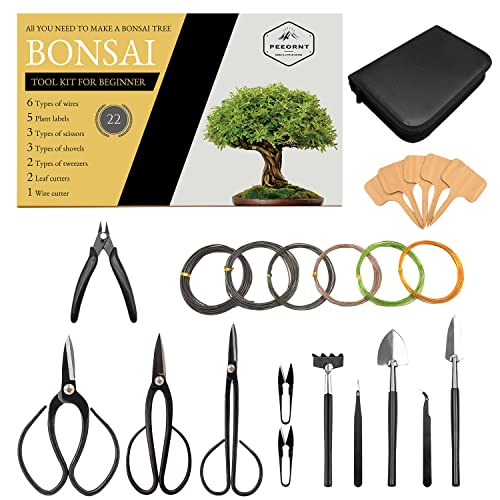
EVERYTHING YOU NEED TO START BONSAI - The bonsai tree kit includes 3 x bonsai scissor, 2 x leaf cutters, 2 x tweezers, 3 x soil shovels/rakes, 6 x bonsai training wires, 1 x wire cutter, 5 x bamboo plant markers. Start your bonsai journey with our bonsai kit.

Yard Tools set including 1pc 26" compound action loppers, 1pc 23" hedge shears, 1pc 8" professional pruning shears, branch cutter and tree pruner with excellent cutting capacity, effortless pruning will solve your tough trimming job with ease

VERSATILE PRUNING AND CUTTING SET: 2-tool combo helps tackle both live green growth and deadwood, making it easy to prune branches, trim plants, and cut through tougher material
Pruning Strategies for Cherry Trees
Pruning is essential for maintaining the health and productivity of cherry trees in Lincoln, NE. Understanding the right techniques and timing can significantly enhance fruit yield and tree vigor. This section delves into effective pruning strategies tailored to the unique conditions of the Great Plains.
Pruning helps maintain tree shape and encourages fruit production. Focus on removing dead or crowded branches and thinning out the center of the tree.
Cherry Tree Watering Best Practices
Proper watering is essential for the health and productivity of cherry trees in Lincoln, NE. Understanding the specific needs of these trees in the Great Plains climate can significantly enhance their growth and fruit yield. This section outlines the best practices for watering cherry trees to ensure they thrive throughout the growing season.
Cherry trees require consistent moisture, especially during fruit development. Deep watering once a week is recommended during dry spells.
Cherry Tree Pest Control Strategies
Effective pest control is essential for maintaining healthy cherry trees in Lincoln, NE. Given the unique challenges posed by the Great Plains environment, understanding specific strategies to combat pests can significantly enhance both tree vitality and fruit yield. This section explores various methods tailored to protect cherry trees from common threats.
Monitor for common pests like aphids and cherry fruit flies. Implement organic pest control methods to minimize damage and maintain tree health.
Cherry Ripeness Indicators for Optimal Harvest
Understanding the signs of cherry ripeness is crucial for a successful harvest in Lincoln, NE. This section delves into the specific indicators that signal when cherries are at their peak, ensuring that growers can maximize both quality and yield during the Great Plains harvest season.
Harvesting cherry trees at the right time ensures maximum flavor and quality. Understanding the signs of ripeness is crucial.
Cherry Fruit Ripeness Indicators
Understanding the indicators of cherry fruit ripeness is essential for successful harvesting in Lincoln, NE. This section delves into the key signs to look for, ensuring that growers can maximize their yield and enjoy the best flavor from their cherries. By recognizing these indicators, you can enhance your harvest and appreciate the unique characteristics of Great Plains cherries.
Look for color changes in the fruit. Sweet cherries should be fully colored and firm, while sour cherries will appear slightly soft.
Cherry Harvesting Techniques for Optimal Yields
In Lincoln, NE, the cherry harvest is a vital part of the agricultural landscape, requiring specific techniques to ensure optimal yields. Understanding the best practices for harvesting can significantly impact the quality and quantity of the fruit. This section explores effective methods that local growers can employ to maximize their cherry production.
Use a gentle twisting motion to detach the fruit from the stem. Avoid pulling, as this can damage the tree and reduce future yields.
Cherry Cultivation Best Practices for Lincoln
In Lincoln, Nebraska, cultivating cherry trees requires a keen understanding of local climate and soil conditions. This section delves into the best practices for growing cherries in the Great Plains, offering insights on soil preparation, optimal planting techniques, and essential care routines to ensure a successful harvest. Whether you’re a novice gardener or an experienced grower, these strategies will enhance your cherry cultivation efforts.
Growing cherry trees in Lincoln, NE, requires attention to detail and proper care. Select the right variety, prepare the soil, and maintain the trees to enjoy a fruitful harvest.
