

Loquat trees thrive in Utah with proper soil management and irrigation techniques. Ensuring the right soil conditions and water supply can significantly enhance fruit production and tree health.
Loquat Tree Soil Requirements in Utah
Loquat trees thrive in well-drained, slightly acidic to neutral soils, making proper soil management essential for successful cultivation in Utah. Understanding the specific soil requirements can significantly impact the health and productivity of these trees. This section delves into the ideal soil conditions and amendments needed to support robust loquat growth in the region.
Loquat trees prefer well-draining soil that is rich in organic matter. The ideal pH range is between 6.0 and 7.0. Soil that retains moisture without becoming waterlogged is essential for optimal growth.
Optimal Soil Amendments for Loquat Growth
Loquat trees thrive in well-drained, nutrient-rich soil, making soil management crucial for their success in Utah’s unique climate. Understanding the best soil amendments can enhance growth and fruit production, ensuring these trees flourish. This section explores the optimal amendments to promote healthy loquat development while addressing the specific needs of the region’s soil conditions.
To achieve the best soil conditions, consider the following components:
Organic matter: Incorporate compost to improve soil structure and nutrient content.
Sand: Mix in sand to enhance drainage, especially in heavy clay soils.
Mulch: Apply a layer of organic mulch to retain moisture and suppress weeds.
| Soil Component | Purpose | Recommended Amount |
|---|---|---|
| Compost | Nutrient enrichment | 20-30% of total volume |
| Sand | Improved drainage | 10-20% of total volume |
| Mulch | Moisture retention | 2-4 inches layer |
Irrigation Strategies for Healthy Loquat Trees
Effective irrigation is crucial for the health and productivity of loquat trees in Utah’s unique climate. Understanding the specific water needs of these trees can help ensure they thrive, especially during dry spells. This section explores various irrigation strategies tailored to optimize growth and fruit production in local conditions.
Loquat trees require consistent moisture, especially during dry spells. Overwatering can lead to root rot, while underwatering can stress the tree.
Recommended Products
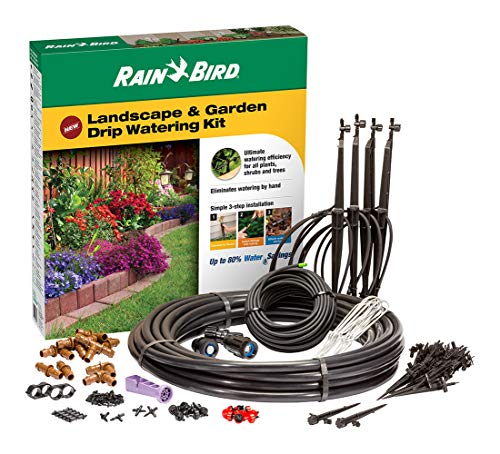
Comprehensive 108-piece kit for flower beds, gardens and landscaped areas; eliminates hand watering, saves time and money

✔Comprehensive Drip Irrigation Kit:MIXC drip irrigation system, equipped with a versatile range of components, caters to all your garden watering needs.Includes essential parts such as 197ft 1/4'' irrigation tube, 33ft 1/2'' irrigation tube, 1/2‘’ Lock Barbed Tee connectors, drip emitter streams, vortex emitters, Blue Mist Nozzles, Quick connection tees, Faucet Connector, and more.

Be a Gardening Master with the help of our superior and complete Drip Irrigation Kit: 10 Drip Irrigation Emitters Vortex + 20 Drip Emitters Spray + 50ft flexible & durable 5/16 irrigation tubing + 50ft 1/4 inch Drip Irrigation Tubing + 12 tubing coupler + 5 ¼ Tubing Tee Splitter + Tubing End Plugs + Water Connector + 1 x Complete Instructions Guide Hard Copy + 2 Grow your Own Vegetables & Fruits Guide full with pieces of advice and practical tips Digital Format.
Irrigation Techniques for Loquat Trees
Effective irrigation is crucial for the health and productivity of loquat trees in Utah’s unique climate. Understanding the specific watering needs and techniques can significantly enhance growth and fruit quality. This section explores various irrigation methods tailored to optimize moisture levels for loquat trees, ensuring they thrive in the region’s conditions.
Choose an irrigation method that best suits your landscape:
Drip irrigation: Provides targeted water delivery directly to the root zone.
Soaker hoses: Allow for slow, deep watering, minimizing evaporation.
Sprinklers: Use for larger areas but monitor for runoff and water waste.
| Irrigation Method | Pros | Cons |
|---|---|---|
| Drip irrigation | Efficient and precise | Higher initial cost |
| Soaker hoses | Simple installation | Limited coverage area |
| Sprinklers | Covers large areas | Can lead to overwatering |
Loquat Tree Seasonal Irrigation Needs
Understanding the seasonal irrigation needs of loquat trees is crucial for successful cultivation in Utah’s unique climate. These trees require specific watering schedules to thrive, especially during the hot summer months and cooler winters. Proper irrigation management not only promotes healthy growth but also enhances fruit quality and yield.
Understanding the seasonal water needs of loquat trees is crucial for successful cultivation. Water requirements will vary based on the growth stage and local climate conditions.
Loquat Tree Spring Watering Guidelines
Proper watering is crucial for the health of loquat trees in Utah, especially during the spring when growth begins to accelerate. Understanding the specific watering needs during this season can help ensure robust fruit development and overall tree vitality. This section outlines essential guidelines for effectively managing spring irrigation for your loquat trees.
Spring: Increase watering frequency as trees begin to leaf out.
Summer: Water deeply once a week, adjusting for rainfall.
Fall: Gradually reduce watering as temperatures drop.
Winter: Water only during dry spells to prevent root desiccation.
Soil Moisture Monitoring Techniques
Effective soil moisture monitoring is essential for the successful cultivation of loquat trees in Utah’s unique climate. By employing various techniques to assess soil moisture levels, growers can optimize irrigation practices, ensuring that their trees receive the right amount of water for healthy growth and fruit production. Understanding these methods will help enhance the overall health of loquat trees in the region.
Regularly checking soil moisture can prevent both overwatering and underwatering.
Soil Moisture Monitoring Tools
Effective soil moisture management is crucial for the successful growth of loquat trees in Utah’s unique climate. Utilizing the right monitoring tools can help ensure that these trees receive the optimal amount of water, promoting healthy development and fruit production. This section explores various soil moisture monitoring options to assist in maintaining ideal moisture levels for loquat cultivation.
Soil moisture meters: Provide accurate readings of moisture levels at root depth.
Finger test: Insert your finger into the soil up to two inches to check for moisture.
Tensiometers: Measure the tension of water in the soil, indicating when to irrigate.
| Monitoring Tool | Accuracy | Ease of Use |
|---|---|---|
| Soil moisture meter | High | Moderate |
| Finger test | Low to Moderate | Easy |
| Tensiometer | High | Moderate |
Soil and Irrigation Challenges for Loquats
Loquat trees can thrive in Utah’s unique climate, but they face specific soil and irrigation challenges that require careful management. Understanding the local soil composition and water needs is essential for ensuring healthy growth and fruit production. This section delves into the key factors that influence successful loquat cultivation in the region.
Identifying and addressing common issues can prevent serious problems for loquat trees.
Yellowing Leaves and Care Solutions
Yellowing leaves on loquat trees can signal underlying issues that require attention. Understanding the causes of this discoloration is crucial for effective care, particularly in Utah’s unique climate. This section explores common reasons for yellowing leaves and offers practical solutions to restore your trees’ health and vitality.
Yellowing leaves: Indicates overwatering or nutrient deficiency. Adjust irrigation and consider fertilization.
Wilting leaves: Suggests underwatering. Increase watering frequency.
Root rot: Caused by poor drainage. Improve soil composition and reduce watering.
| Symptom | Primary Suspect | Difficulty Level |
|---|---|---|
| Yellowing leaves | Overwatering | 2 |
| Wilting leaves | Underwatering | 3 |
| Root rot | Poor drainage | 4 |
Loquat Soil and Irrigation Best Practices
Loquat trees thrive in Utah’s unique climate, but achieving optimal growth requires careful attention to soil management and irrigation practices. Understanding the specific needs of these trees will help ensure they receive the right nutrients and moisture levels, ultimately leading to healthier plants and better fruit production. Here are some best practices to consider for successful loquat cultivation.
Regularly assess both soil and irrigation practices to ensure healthy loquat trees. Adjustments based on seasonal changes and tree development are essential for optimal fruit production.
Monitor your trees closely and be proactive in managing their needs.
