

Growing walnut trees in pots in Florida is feasible with proper care and attention to their unique needs. This guide provides essential steps for successful potting and maintenance, ensuring your trees thrive in the subtropical climate.
Selecting Walnut Varieties for Container Growth
Selecting the right walnut tree variety is crucial for successful growth in pots. Common varieties include the English walnut, known for its high-quality nuts, and the Black walnut, which is more tolerant of heat and drought. Each type has specific growth requirements and pest resistances.
English walnut: Prefers cooler climates but can adapt to subtropical conditions with proper care.
Black walnut: More resilient in warmer climates and can thrive in pots with adequate drainage.
Optimal Pot Dimensions and Materials for Walnuts
Choosing the correct pot size and material is vital for the health of your walnut trees. A pot that is too small can restrict root growth, while one that is too large may retain excess moisture, leading to root rot.
Size: Start with a pot that is at least 15-20 gallons for young trees.
Material: Use terracotta or high-quality plastic pots that allow for drainage.
| Pot Material | Drainage | Weight | Cost |
|---|---|---|---|
| Terracotta | Excellent | Heavy | Moderate |
| Plastic | Good | Light | Low |
Potted Walnut Tree Soil Mix Essentials
Creating the right soil mix is crucial for the health of potted walnut trees in Florida’s subtropical climate. This section outlines the essential components and ratios needed to ensure optimal drainage, nutrient retention, and pH balance, helping your walnut trees thrive in their container environment. Understanding these soil mix essentials will set the foundation for successful pot cultivation.
The right soil mix is essential for potted walnut trees. A well-draining mix will prevent waterlogging and promote healthy root development.
Soil Mix: Combine equal parts of potting soil, perlite, and compost.
pH Level: Aim for a pH between 6.0 and 7.0 for optimal nutrient uptake.
Watering Strategies for Florida Walnut Trees
Successfully growing walnut trees in pots in Florida requires careful attention to their watering needs. The subtropical climate presents unique challenges, making it essential to adopt effective watering strategies that ensure the trees receive adequate moisture without becoming waterlogged. This section explores the best practices for maintaining optimal soil hydration for potted walnut trees in Florida.
Proper watering is critical in Florida’s subtropical climate. Overwatering can lead to root rot, while underwatering can stress the tree.
Frequency: Water deeply once a week during dry spells.
Method: Ensure water drains through the bottom of the pot to prevent soggy roots.
Fertilization Timing for Potted Walnuts
Fertilizing potted walnut trees in Florida requires careful timing to ensure optimal growth and fruit production. Understanding the specific nutrient needs throughout the growing season is essential for maintaining healthy trees in a subtropical environment. This section outlines the best practices for fertilization to support your walnut trees’ development.
Regular fertilization supports the growth of walnut trees in pots. Use a balanced fertilizer that provides essential nutrients throughout the growing season.
Type of Fertilizer: Use a slow-release, balanced fertilizer with equal parts nitrogen, phosphorus, and potassium.
Application Frequency: Fertilize every 6-8 weeks during the growing season.
Recommended Products

CONTINUOUS RELEASE NUTRITION: Osmocote Smart-Release Plant Food Plus Outdoor & Indoor1 granular fertilizer contains 11 essential nutrients and feeds live plants up to 6 full months

🌿 Balanced 10-10-10 Granular Fertilizer for Outdoor & Indoor Plants: All-purpose plant food with 10% Nitrogen, 10% Phosphorus, and 10% Potassium. Perfect for outdoor vegetable gardens, fruit trees, evergreens, shrubs, lawns, and flowers. Also great for potted plants and indoor gardening. One solution for all your plant needs!
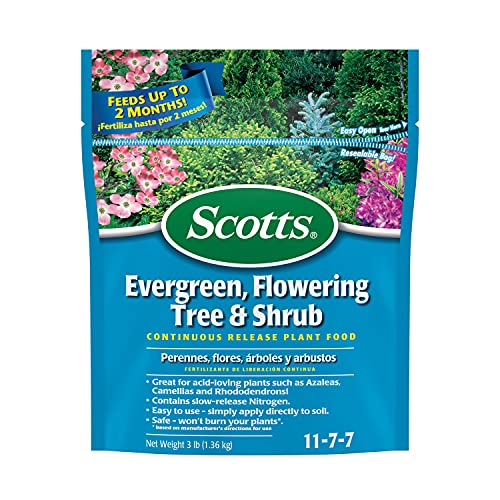
Excellent for evergreens, dogwoods, hydrangeas, magnolias and many other acid-loving trees and shrubs
Pest Control Techniques for Potted Walnuts
Managing pests in potted walnut trees is crucial for their health and productivity, especially in Florida’s subtropical climate. This section outlines effective techniques tailored to combat common pests that threaten these trees, ensuring they thrive in containers while maintaining their vitality and yield. Understanding these methods will help you protect your investment and enjoy a flourishing walnut harvest.
Pests can pose a significant threat to the health of your walnut trees. Regular monitoring and proactive management can help mitigate these risks.
Common Pests: Watch for aphids, spider mites, and walnut husk flies.
Management Techniques: Use insecticidal soap or neem oil as a natural remedy.
| Pest Type | Symptoms | Control Method |
|---|---|---|
| Aphids | Curling leaves | Insecticidal soap |
| Spider mites | Webbing on leaves | Neem oil |
| Walnut husk flies | Damaged nuts | Traps and insecticides |
Potted Walnut Tree Seasonal Maintenance
Maintaining potted walnut trees in Florida requires careful attention to seasonal changes that can impact their growth and health. Understanding the specific needs during each season is essential for ensuring these trees thrive in a subtropical environment. This section outlines the necessary maintenance tasks to keep your potted walnut tree flourishing throughout the year.
Seasonal care is essential for maintaining healthy walnut trees in pots. Each season presents unique challenges and opportunities for growth.
Spring: Focus on repotting if necessary and begin fertilization.
Summer: Increase watering frequency during hot spells.
Fall: Prepare for dormancy by reducing watering and fertilization.
Winter: Protect pots from freezing temperatures by moving them to a sheltered location.
Ensure pots are elevated to prevent water accumulation during heavy rains.
Walnut Harvest Timing and Techniques
Understanding the optimal timing and techniques for harvesting walnuts is crucial for successful cultivation in Florida’s subtropical climate. This section will delve into the best practices for determining when to harvest, ensuring that you maximize both yield and quality. By following these guidelines, you can enjoy a bountiful walnut harvest from your potted trees.
Harvesting walnuts requires timing and technique. Wait until the outer husks begin to split, indicating ripeness.
Harvesting Method: Gently shake the tree or use a pole to dislodge nuts.
Storage: Store harvested nuts in a cool, dry place to maintain freshness.
Following these guidelines will help ensure that your walnut trees thrive in pots in Florida’s subtropical climate.
