

Ever struggled with dull garden tools that make pruning feel like a chore? Imagine effortlessly slicing through branches like a pro, with precision and ease. How can you bring back that sharpness to your trusty Fiskars pruner?
When your pruner starts to struggle, it’s not just about the tool – it’s about your whole gardening experience. In this article, you’ll discover simple yet effective techniques to sharpen your Fiskars pruner like a seasoned gardener.
Get ready to transform your pruning game and enjoy a smoother, more efficient gardening session. Sharpening your Fiskars pruner isn’t just about maintenance; it’s about reclaiming the joy in every snip and trim.
Importance of Sharp Pruners
To ensure efficient and precise pruning, it’s crucial to keep your Fiskars pruner sharp. Here’s why:
- Clean Cuts: A sharp blade helps make clean cuts, reducing the risk of damage or infection to plants.
- Less Effort: A sharp pruner means less effort is needed on your part, making gardening tasks easier and faster.
- Healthy Plants: By avoiding crushing or tearing plant tissues, you promote fast healing and healthier growth for your plants.
Remember, a sharp pruner is your best companion for a smooth and enjoyable gardening experience.
Tools Required for Sharpening
To sharpen your Fiskars pruner effectively, you’ll need to gather a few essential tools. Here’s what you’ll need:
- Sharpening Stone: A high-quality sharpening stone is crucial for achieving a sharp edge on your pruner blade.
- Lubricating Oil: Using lubricating oil helps to reduce friction and ensures a smoother sharpening process.
- Safety Gloves: Protect your hands with sturdy safety gloves to prevent any accidents during sharpening.
Gather these tools before you start sharpening your Fiskars pruner for optimal results.
Recommended Products

Knife Sharpener Stone Sharpening Oil to be used with your favorite sharpening system and Oil Stone to revitalize, maintain and preserve your tools, kitchen knives, utility knife and more

This combination knife sharpener stone has a dual side sharpening system, one side with 100 grit stone for repairing cutting edges and 280 grit stone for sharpening and maintaining razor sharp edges on knives and tools

Diamond coated - These sharpeners are made of diamond-coated hardened steel that meticulously hones pruning shear, knife, and cable cutter blade edges for clean, effortless cuts.
Step-by-Step Guide to Sharpening
Sharpening your Fiskars pruner is a simple task that can greatly improve your gardening experience. Here’s a straightforward guide to help you keep your pruner in top condition:
- Inspect the Blade: Start by closely examining the blade for any nicks, cuts, or dull areas.
- Gather Your Supplies: You’ll need a sharpening stone, lubricating oil, and safety gloves for this task.
- Apply Lubricating Oil: Before sharpening, apply a few drops of lubricating oil to the blade to ensure smooth movement and prevent rusting.
- Sharpening the Blade: Hold the sharpening stone at a 20-degree angle and run it along the cutting edge of the blade in smooth, even strokes.
- Test the Sharpness: After a few passes, carefully test the blade’s sharpness by making a few cuts on a piece of paper or cardboard.
- Fine-Tune if Needed: If the blade is still not sharp enough, continue sharpening with the stone until you achieve the desired sharpness.
- Clean and Store: Once you’re satisfied with the sharpness, clean the blade, remove any metal shavings, and store your pruner in a safe place.
- Maintenance Tip: Regularly oiling the blade and cleaning your pruner after each use can help maintain its sharpness and extend its lifespan.
| Important Tip: | Remember to sharpen your Fiskars pruner before each gardening season or whenever you notice a decrease in cutting efficiency. |
Recommended Products

ESSENTIAL MAINTENANCE KIT: Simple and efficient maintenance kit with lapping compound, application brush, two fittings, hand crank, and step-by-step instructions; Ideal for restoring blades on Fiskars StaySharp Reel Mowers and most standard push reel lawn mowers

Maintenance kit for the necessary care and a longer life service of the garden cutting tools

VERSATILE – The most versatile sharpener in the market to sharpen and hone both single and double beveled blades including knife, mower blade, pruner, loppers, hedge shears, axe, machete, hatchet, scissors, edged tool, etc.
Testing the Sharpness
Now that you’ve sharpened your Fiskars pruner following the steps outlined earlier, it’s time to test the sharpness of the blade. This step is crucial to ensure that your pruner is ready to make clean and precise cuts in your garden.
How to Test Sharpness:
- Paper Test: Try cutting a piece of paper with your pruner. A sharp blade should slice through the paper effortlessly, leaving a clean edge.
- Thumbnail Test: Gently run the blade over your thumbnail. A sharp blade will catch slightly on your nail.
Signs of a Sharp Blade:
- Smooth Cuts: An adequately sharpened blade will glide through plant stems cleanly, without crushing or tearing.
- No Resistance: Sharp blades require minimal force to cut, making your pruning tasks easier and more efficient.
- If the blade passes the sharpness tests, you’re all set to start using your pruner.
- In case the blade isn’t sharp enough, consider re-sharpening it using the steps mentioned earlier for a finer edge.
Remember, always prioritize safety when handling sharp tools, and regularly check the sharpness of your pruner to maintain its effectiveness and prolong its lifespan.
Maintaining Sharpness
Keeping your Fiskars pruner sharp is essential for effective gardening. Here are some tips to help you maintain that sharp edge:
- Clean the Blade Regularly: After each use, wipe the blade with a damp cloth to remove sap and residue. This prevents buildup and keeps the blade sharp.
- Store Properly: When not in use, always store your pruner in a dry place to prevent rust and damage to the blade.
- Avoid Cutting Hard Materials: Refrain from using your pruner to cut branches that are too thick. It can dull the blade quickly.
- Sharpen When Needed: Regularly check the blade for signs of dullness. If you notice tearing instead of clean cuts, it’s time to sharpen your pruner.
| When to Sharpen | How Often |
|---|---|
| Tearing of cuts | Every 2-3 months |
- Use a Sharpening Tool: Invest in a quality sharpening tool designed for pruners. Follow the manufacturer’s instructions for the best results.
- Test the Sharpness: After sharpening, do the paper test and thumbnail test to ensure your pruner is sharp enough for smooth cuts.
Taking these steps will help you maintain a sharp Fiskars pruner for efficient and precise gardening tasks.
Recommended Products
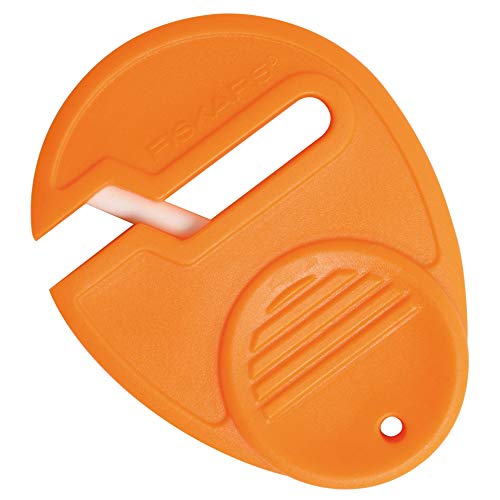
Ideal for sharpening scissors

MULTI-USE SHARPENER: Simple and efficient blade sharpener; Ceramic wheels sharpen both sides of the blade; Ideal for sharpening Fiskars axes, machetes, hatchets, and knives
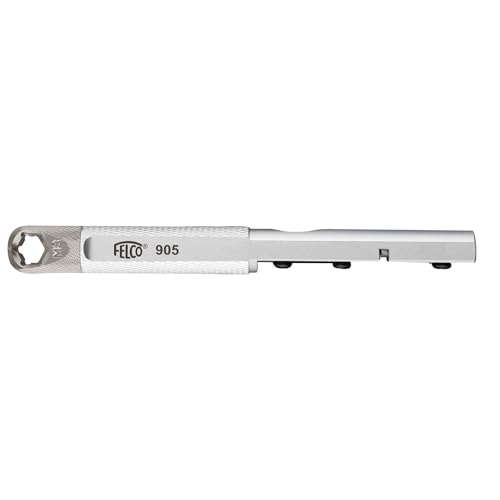
Keeps an ideal cutting edge on the blade
Conclusion
Ensuring your Fiskars pruner stays sharp is key to effortless gardening. By regularly cleaning the blade, storing it properly, and avoiding tough materials, you guarantee smooth cutting every time. Remember to sharpen when needed using a quality tool and confirm sharpness with simple tests. By following these steps, you’ll maintain a sharp Fiskars pruner, making your gardening tasks a breeze.
Frequently Asked Questions
How often should I sharpen my Fiskars pruner?
It is recommended to sharpen your Fiskars pruner after every 2-3 uses or whenever you notice signs of dullness for optimal performance.
What is the best way to sharpen a Fiskars pruner?
Use a quality sharpening tool specifically designed for pruners. Follow the manufacturer’s guidelines and maintain the correct angle for sharpening.
How can I test if my Fiskars pruner is sharp enough?
Perform the paper test by cutting a piece of paper smoothly. You can also use the thumbnail test to check for sharpness by gently running your thumbnail along the blade’s edge.
