

Tangerine trees thrive in San Diego’s coastal climate, providing a fruitful yield with proper care. To ensure healthy growth, focus on soil quality, watering practices, and pest management strategies.
Tangerine Tree Varieties for Coastal Growth
Exploring the diverse varieties of tangerine trees suitable for coastal growth in San Diego reveals essential insights for successful cultivation. Each variety offers unique characteristics that cater to the region’s climate and soil conditions, making it crucial for growers to understand their options. This section delves into the best tangerine tree varieties to thrive in San Diego’s coastal environment.
Tangerines come in several varieties, each suited to different growing conditions and preferences. The most common types include Satsuma, Clementine, and Honey.
Each variety has unique characteristics in flavor, size, and ripening time. Choosing the right type for your garden can significantly impact your harvest.
| Variety | Flavor Profile | Ripening Season | Size |
|---|---|---|---|
| Satsuma | Sweet | Early Fall | Medium |
| Clementine | Juicy | Late Fall | Small |
| Honey | Very Sweet | Winter | Large |
Soil Preparation for Tangerine Trees
Preparing the soil for tangerine trees is crucial for their growth and fruit production in San Diego’s coastal climate. Understanding the specific soil requirements and amendments needed can significantly enhance tree health and yield. This section outlines essential practices to ensure optimal soil conditions for thriving tangerine trees.
Soil preparation is crucial for the successful growth of tangerine trees. Start by testing the soil’s pH, aiming for a range between 6.0 and 7.0.
Amend the soil with organic compost to improve drainage and nutrient content. Ensure that the planting area has full sun exposure for at least six hours daily.
Test soil pH with a home kit
Amend soil with organic compost
Ensure full sun exposure
Recommended Products

Accurate Soil pH Testing: Dewildetradingco Soil pH Test Strips offer measurements of soil pH levels (pH 3.5-9). As an essential tool for every gardener and grower, these test strips help determine the optimal pH for various plants, such as outdoor plants, indoor plants, gardens, grass lawns, fruit trees, flowers, vegetables, and forest shrubs.

Comprehensive Soil Analysis: Liquid soil test kits offer a comprehensive analysis of essential soil parameters, including pH, ammonia, nitrogen, phosphorus, and potassium. Having all these measurements in one kit provides a holistic understanding of the soil's fertility and health.

KNOW BEFORE YOU GROW | Grow the healthiest, sustainable lawn and garden with the most accurate and easy to use professional soil test kit on the market
Irrigation Strategies for Tangerine Trees
Effective irrigation is crucial for the health and productivity of tangerine trees in San Diego’s coastal climate. This section explores various strategies tailored to optimize water usage, ensuring that these trees receive the right amount of moisture while adapting to the region’s unique environmental conditions. By implementing these techniques, growers can enhance fruit quality and yield.
Proper watering is essential for tangerine trees, especially during the first few years. Overwatering can lead to root rot, while underwatering can stress the tree. Establish a consistent watering schedule, adjusting based on rainfall and temperature.
Water deeply once a week
Check soil moisture with a finger test
Adjust frequency during dry spells
Recommended Products

Accurate Soil Moisture Detection: The XLUX Soil Moisture Meter can tell you if the soil deep inside your pot or garden is dry, moist or wet; whereas your eyes and fingers can only determine the moisture level of the soil surface. The probe is 5.5 inches (14 cm) longer than regular styles, allowing it to measure the soil moisture at the bottom of larger and deeper flower pots.

Accurate Soil Moisture Detection: The XLUX Soil Moisture Meter can tell you if the soil deep inside your pot or garden is dry, moist or wet; whereas your eyes and fingers can only determine the moisture level of the soil surface. The probe is 5.5 inches (14 cm) longer than regular styles, allowing it to measure the soil moisture at the bottom of larger and deeper flower pots.
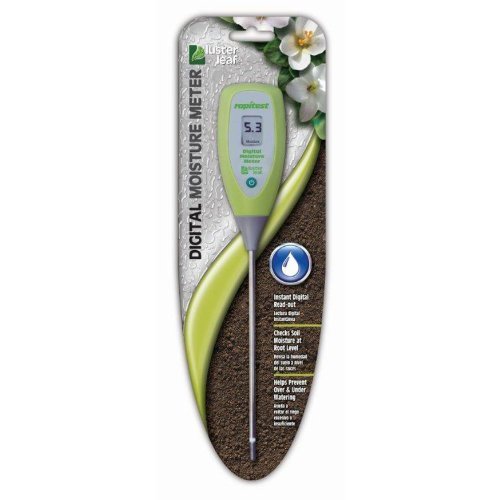
Product specifically designed to be used only in soil
Tangerine Tree Pest Control Techniques
Effective pest control is essential for maintaining healthy tangerine trees in San Diego’s coastal climate. This section outlines various techniques to manage common pests that threaten tangerine crops, ensuring both the vitality of the trees and the quality of the fruit. Understanding these methods can help growers protect their investment and enhance their harvest.
Pests can threaten the health of your tangerine trees. Common pests include aphids, spider mites, and scale insects. Regular monitoring and early intervention can prevent infestations from becoming severe.
| Pest | Symptoms | Control Method |
|---|---|---|
| Aphids | Curling leaves | Insecticidal soap |
| Spider Mites | Fine webbing on leaves | Neem oil |
| Scale Insects | Sticky residue | Horticultural oil |
Citrus Fertilization Techniques for Tangerines
Tangerine trees thrive in San Diego’s coastal climate, but proper fertilization is essential for optimal growth and fruit production. This section explores effective citrus fertilization techniques tailored specifically for tangerines, providing insights into nutrient requirements and application methods that enhance tree health and yield. Understanding these techniques will help growers maximize their harvests in this unique environment.
Fertilizing tangerine trees supports healthy growth and fruit production. Use a balanced fertilizer formulated for citrus trees, applying it during the growing season. Follow the manufacturer’s instructions for dosage and frequency.
Apply fertilizer in spring and summer
Use a slow-release formula
Monitor tree growth for signs of deficiency
Tangerine Tree Pruning for Optimal Growth
Pruning tangerine trees is essential for promoting healthy growth and maximizing fruit production in San Diego’s coastal climate. This section outlines effective pruning techniques tailored to the unique conditions of the region, ensuring that both novice and experienced gardeners can cultivate thriving tangerine trees. Understanding the right timing and methods will help maintain the tree’s shape and vitality.
Pruning is vital for maintaining the shape and health of tangerine trees. Remove dead or crossing branches to improve air circulation and sunlight penetration. Prune during the dormant season to minimize stress on the tree.
Identify dead or crossing branches
Use sharp pruning shears
Prune during late winter
Optimal Harvesting Techniques for Tangerines
Harvesting tangerines at the right time and using effective techniques is crucial for maximizing yield and ensuring fruit quality. Understanding the optimal methods for picking, handling, and storing tangerines can significantly impact both the flavor and marketability of the fruit. This section explores the best practices to achieve a successful harvest in San Diego’s unique coastal environment.
Harvesting tangerines at the right time ensures the best flavor. Look for a bright orange color and slight softness when gently squeezed. Use pruning shears to cut the fruit from the tree, avoiding damage to the branches.
Check color and firmness before harvesting
Use pruning shears for clean cuts
Harvest in the morning for best flavor
Environmental Factors Affecting Tangerine Trees
Tangerine trees thrive in San Diego’s unique coastal climate, influenced by various environmental factors. Understanding these elements, such as temperature, soil quality, and humidity, is essential for successful cultivation. This section delves into how these conditions impact the growth and productivity of tangerine trees in this specific region.
San Diego’s coastal climate can affect tangerine tree health. Monitor temperature and humidity levels, as extreme conditions can stress the trees. Implement protective measures during unexpected weather changes.
Use mulch to regulate soil temperature
Provide shade during extreme heat
Protect from frost with coverings
Tangerine Tree Health Challenges and Solutions
Tangerine trees in San Diego face a variety of health challenges that can impact their growth and fruit production. Understanding these issues is crucial for maintaining vibrant trees and ensuring a bountiful harvest. The following section explores common problems and effective solutions to promote the health of these citrus trees in the coastal environment.
Tangerine trees may face various challenges, including nutrient deficiencies and environmental stress. Identifying and addressing these issues promptly can help maintain tree health. Regularly inspect leaves and fruit for signs of trouble.
Look for yellowing leaves as a nutrient sign
Inspect for pests or diseases
Adjust care practices as needed
Essential Practices for Tangerine Success
Successfully cultivating tangerine trees in San Diego requires a blend of knowledge and practical techniques tailored to the region’s unique climate. This section outlines essential practices that will help ensure healthy growth, abundant fruit production, and resilience against local pests and diseases. By following these guidelines, growers can maximize their tangerine harvests and enjoy the fruits of their labor.
Successful tangerine cultivation in San Diego requires attention to detail in soil, watering, and pest management. Regular monitoring and timely interventions will lead to a fruitful harvest. Enjoy the process and the rewards of your labor.
