

Growing cherry trees in Bakersfield, CA requires careful selection of varieties and attention to climate conditions. The hot climate can be advantageous if you choose heat-tolerant species and implement proper care techniques.
Best Cherry Tree Varieties for Hot Climates
Selecting the right cherry tree varieties is crucial for thriving in Bakersfield’s hot climate. Certain types are better suited to withstand high temperatures while still producing delicious fruit. This section highlights the best options to ensure successful cherry cultivation in this challenging environment.
Choosing the right cherry tree variety is crucial for successful growth in Bakersfield’s hot climate. Some varieties thrive better than others under high temperatures. Consider the following options for optimal results:
Bing Cherry: Popular for its sweet flavor and adaptability.
Lapins Cherry: Self-fertile and heat-resistant, perfect for warmer climates.
Stella Cherry: Known for its hardiness and good fruit quality.
| Cherry Variety | Taste Profile | Heat Tolerance | Self-Fertile |
|---|---|---|---|
| Bing | Sweet | Moderate | No |
| Lapins | Sweet | High | Yes |
| Stella | Sweet | High | Yes |
Site Preparation for Cherry Trees
Preparing the right site is crucial for successfully growing cherry trees in Bakersfield’s hot climate. Proper site selection and preparation can significantly influence the health and yield of your trees. This section will guide you through the essential steps to create an optimal environment for your cherry trees to thrive.
The planting site significantly influences cherry tree growth. Select a location with full sun exposure and well-drained soil. Follow these steps to prepare the site effectively:
Clear debris from the area to ensure no competition for nutrients.
Test soil pH to maintain a range between 6.0 and 7.0.
Amend soil with organic matter to improve drainage and fertility.
Cherry Tree Soil Enhancement Strategies
To successfully cultivate cherry trees in Bakersfield’s hot climate, enhancing the soil is crucial. The right soil conditions can significantly impact growth and fruit production, making it essential to understand effective strategies for improving soil quality. This section explores various techniques to optimize soil health for thriving cherry trees in this challenging environment.
Proper soil preparation is essential for cherry tree health. Use the following techniques to enhance soil quality:
Add compost to enrich nutrients.
Incorporate sand to improve drainage in heavy soils.
Use mulch to retain moisture and suppress weeds.
Cherry Tree Watering Techniques for Hot Climates
In the hot climate of Bakersfield, effective watering techniques are crucial for the successful growth of cherry trees. Understanding how to manage water intake can help these trees thrive despite the challenges posed by high temperatures. This section explores the best practices for watering cherry trees to ensure they remain healthy and productive.
Watering is vital for cherry tree establishment and growth, especially in a hot climate. Implement these strategies to ensure adequate hydration:
Deep watering: Water deeply once a week to encourage deep root growth.
Drip irrigation: Install a drip system to provide consistent moisture without waterlogging.
Monitor soil moisture: Use a moisture meter to avoid over or under-watering.
Recommended Products
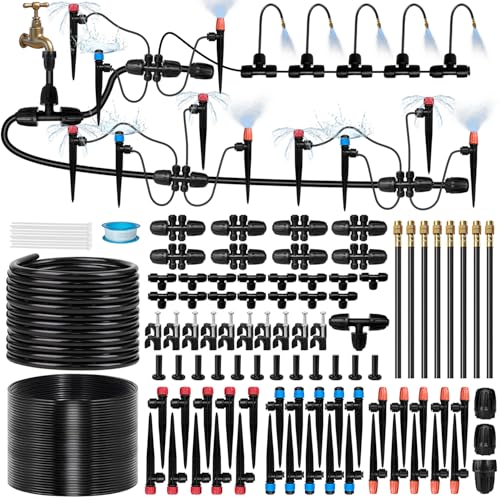
【Upgraded Tube Design & Water Saving】 Our garden watering system is upgraded to 1/2” diameter to support high water pressure. The 1/2” tee connector allows seamless splitting into 2 independent zones for customized watering schedules. By delivering moisture directly to root zones, this drip Irrigation system significantly reduces evaporation and runoff—saving more water compared to conventional sprinklers while eliminating the need for manual watering.
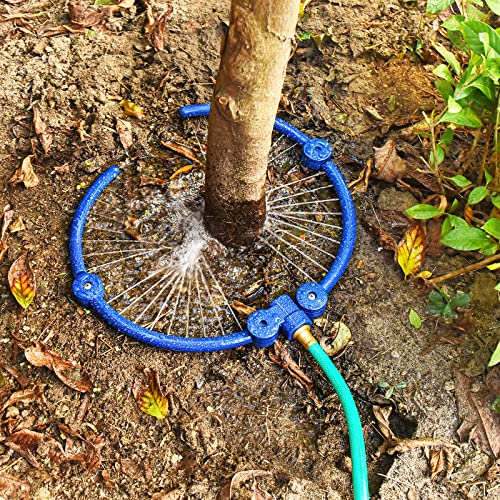
【Specially Designed for Trees and Shrubs】 The Watering Ring is a multi-purpose irrigation ring that attaches to a garden hose to efficiently water young trees shrubs vegetables or flower beds using drip or trickle irrigation.It directs water to the root perimeter of the plant to give them a good start during the first two growing seasons or through periods of drought.

【Universal 1/4 Inch Size Set】- Designed for US market compatibility,MIXC new drip irrigation system set uses 1/4 inch (6mm) components to address potential mismatches with standard hoses, unlike some 5/16 inch systems. It includes 2-way connectors, tubing, and 3-way connectors to help users set up DIY garden irrigation more conveniently.
Identifying Water Stress in Cherry Trees
Understanding how to identify water stress in cherry trees is crucial for successful cultivation in Bakersfield’s hot climate. This section will explore the signs and symptoms of water stress, helping growers recognize when their trees need more moisture to thrive and produce healthy fruit. Proper management of water resources can significantly enhance cherry tree health and yield.
Recognizing signs of water stress can help prevent damage to your cherry trees. Watch for these indicators:
Wilting leaves: Indicates insufficient water.
Leaf drop: May signal over-watering or drought.
Bark splitting: Can occur from rapid fluctuations in moisture levels.
Fertilization Techniques for Cherry Trees
Effective fertilization is crucial for the successful growth of cherry trees in Bakersfield’s hot climate. Understanding the specific nutrient needs and timing for application can significantly enhance tree health and fruit production. This section explores various fertilization techniques tailored to optimize cherry tree growth in this unique environment.
Fertilization plays a significant role in the health and productivity of cherry trees. Follow these guidelines for effective fertilization:
Use a balanced fertilizer formulated for fruit trees, applying it in early spring.
Follow package instructions for application rates to avoid nutrient burn.
Reapply in late summer to support fruit development.
Fertilization Schedule for Cherry Trees
Fertilizing cherry trees in Bakersfield’s hot climate is essential for promoting healthy growth and fruit production. Understanding the right schedule and type of fertilizer can significantly impact the trees’ vitality, ensuring they thrive despite the challenging conditions. This section outlines the best practices for fertilization to achieve successful cherry cultivation in the region.
Understanding the timing and frequency of fertilization can enhance fruit yield. Consider these points:
Early spring: Apply fertilizer as buds begin to swell.
Late summer: A second application supports fruit maturation.
Annual soil tests: Conduct tests to adjust nutrient levels as needed.
Pest and Disease Protection Strategies
Protecting cherry trees from pests and diseases is crucial for successful cultivation in Bakersfield’s hot climate. Understanding the specific threats these trees face and implementing effective strategies can help ensure healthy growth and fruitful yields. This section explores various methods to safeguard your cherry trees, enhancing their resilience against common challenges in the region.
Pests and diseases can threaten cherry tree health, especially in warmer climates. Implement these protective measures:
Regular inspections: Check leaves and branches for signs of pests.
Use organic pesticides: Apply neem oil or insecticidal soap for infestations.
Prune trees: Remove dead or diseased branches to improve air circulation.
Recommended Products


3-IN-1 GARDEN SPRAY - Earth’s Ally 3-in-1 Plant Spray is an insecticide, miticide and fungicide. The houseplant pest spray effectively kills and controls soft-bodied insects and common plant diseases with a synergistic blend of essential oils.

ADVANCED FORMULA: Emulsifiers built into the formula so you just add water. 100% pure oils require an emulsifier to allow oil and water to mix. Nature's IQ has this already built in so you just add water.
Cherry Tree Pests and Disease Threats
In Bakersfield’s hot climate, cherry trees can thrive, but they face specific pest and disease challenges that can hinder their growth. Understanding these threats is crucial for successful cultivation, as timely intervention can protect your trees and ensure a bountiful harvest. This section delves into the common pests and diseases that cherry trees encounter in this region.
Familiarize yourself with common threats to cherry trees. Here are some to watch for:
Aphids: Small insects that suck sap and can weaken trees.
Brown rot: A fungal disease that affects fruit, leading to decay.
Cherry fruit fly: Larvae can damage fruit, requiring control measures.
| Pest/Disease | Symptoms | Control Method |
|---|---|---|
| Aphids | Curling leaves | Neem oil application |
| Brown rot | Decaying fruit | Remove infected fruit |
| Cherry fruit fly | Larvae in fruit | Insect traps |
Cherry Tree Harvesting Best Practices
Harvesting cherry trees in Bakersfield requires careful timing and technique to ensure the best quality fruit. Given the region’s hot climate, understanding the optimal conditions for picking can significantly impact yield and flavor. This section outlines essential best practices for harvesting cherries to maximize both quantity and quality.
Proper harvesting techniques ensure the best quality fruit. Follow these steps for successful harvesting:
Pick cherries when they are fully ripe, indicated by deep color.
Gently twist the fruit to detach it from the stem.
Handle with care to avoid bruising.
Post-Harvest Practices for Cherry Quality
Post-harvest practices play a crucial role in maintaining the quality of cherries grown in Bakersfield’s hot climate. Proper handling and storage techniques can significantly enhance flavor and shelf life, ensuring that the fruit remains appealing to consumers. Understanding these practices is essential for growers aiming to maximize their harvest’s potential and marketability.
After harvesting, proper care is essential for preserving fruit quality. Consider these practices:
Store cherries in a cool, dry place.
Refrigerate to extend freshness.
Use within a week for optimal flavor and texture.
