

Avocado trees can thrive in West Virginia’s Appalachian Mountains with the right care and conditions. To successfully grow these trees, select cold-hardy varieties and implement proper planting and maintenance techniques.
Cold-Hardy Avocado Varieties for West Virginia
In West Virginia’s unique climate, selecting the right avocado varieties is crucial for successful cultivation. Cold-hardy options can thrive in the region’s cooler temperatures, allowing enthusiasts and growers to enjoy fresh avocados despite the challenges posed by the Appalachian winters. This section explores the best avocado varieties suited for West Virginia’s environment.
Choosing the right avocado varieties is crucial for success in West Virginia’s climate. The most suitable options include the Mexicola, Bacon, and Fuerte. These varieties can withstand colder temperatures better than others.
Mexicola: This variety can tolerate temperatures down to 20°F. It produces small, flavorful avocados.
Bacon: Known for its smooth skin, this variety is hardy to 25°F and has a mild taste.
Fuerte: This hybrid can survive temperatures as low as 28°F. It yields creamy avocados with a rich flavor.
| Variety | Cold Tolerance | Flavor Profile |
|---|---|---|
| Mexicola | 20°F | Rich, nutty |
| Bacon | 25°F | Mild, creamy |
| Fuerte | 28°F | Smooth, buttery |
Soil Preparation for Avocado Cultivation
Preparing the soil is a crucial step for successfully cultivating avocado trees in West Virginia’s unique Appalachian environment. The right soil conditions can significantly impact growth, fruit production, and overall tree health. Understanding the specific requirements for soil preparation will help ensure a thriving avocado orchard in this region.
Soil preparation is essential for the healthy growth of avocado trees. They prefer well-draining soil rich in organic matter. Conduct a soil test to determine pH levels and nutrient content.
pH Level: Aim for a pH between 6 and 7. Adjust using lime to raise or sulfur to lower pH.
Organic Matter: Incorporate compost or well-rotted manure to improve soil structure and fertility.
Drainage: Ensure the planting area has good drainage to prevent root rot.
Avocado Tree Planting Methods in Appalachia
Planting avocado trees in the unique climate of West Virginia’s Appalachian Mountains requires specific methods to ensure their success. Understanding the local soil conditions, temperature variations, and proper care techniques is essential for cultivating these trees in an area not typically associated with avocado production. This section delves into effective planting strategies tailored for this region.
Proper planting techniques increase the chances of survival and growth for avocado trees. Follow these steps for effective planting.
Choose Location: Select a sunny spot with protection from harsh winds.
Dig Hole: Create a hole twice the width and depth of the root ball.
Position Tree: Place the tree in the hole, ensuring the root ball is level with the surrounding soil.
Backfill: Fill the hole with soil, gently packing it around the roots.
Water Thoroughly: Water the tree deeply after planting to settle the soil.
Recommended Products

Packing list: Avocado growing kit is made of borosilicate glass and durable stainless steel holder, will not rust due to long-term immersion, clear glass allows you to observe seeds germination and growth.

🍐Easy to Use: Prepare a cleaned avocado seed and place it on a metal stand. Add an appropriate amount of water to the bottle to ensure that the bottom of the seed is covered with water. It is recommended to change the water every 2-3 weeks and patiently wait for the seeds to sprout; The germination of avocado seeds usually takes 1-2 months

Satisfy Your Large Needs: you will receive 6 transparent avocado planting vases, 6 wooden bases, and 6 conical metal stands; You can use the base and glass bottle as a vase alone, or add the metal stand to plant avocado seeds, which will bring you a different experience
Avocado Tree Care Techniques for Growth
Caring for avocado trees in West Virginia requires a tailored approach to accommodate the unique climate and soil conditions of the Appalachian region. Understanding specific care techniques can significantly enhance growth and fruit production, ensuring these tropical trees thrive in an environment that is often less than ideal for their needs. This section delves into essential strategies for successful avocado cultivation.
Regular maintenance is vital for the health of avocado trees. Implementing a consistent care routine will promote robust growth and fruit production.
Watering: Water deeply but infrequently. Allow the top few inches of soil to dry out between watering.
Fertilizing: Use a balanced fertilizer formulated for fruit trees. Apply in early spring and again in mid-summer.
Pruning: Prune to shape the tree and remove any dead or diseased branches. This enhances air circulation and light penetration.
| Maintenance Task | Frequency | Recommended Action |
|---|---|---|
| Watering | Weekly | Deep watering |
| Fertilizing | Twice a year | Balanced fertilizer |
| Pruning | Annually | Shape and clean |
Recommended Products

Use on new or existing in-ground citrus, avocado and mango trees
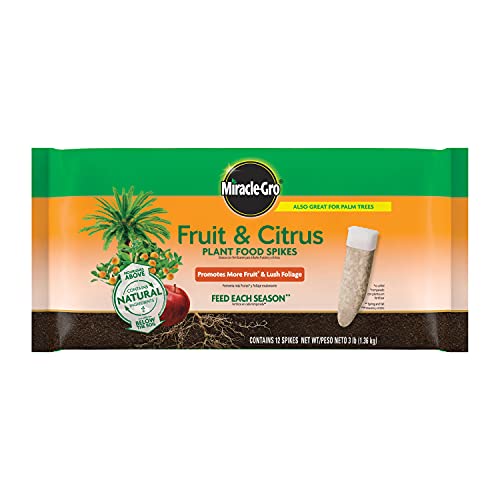
FORMULATED FOR CITRUS AND FRUIT TREES: Use these citrus fertilizer spikes on apple, orange, lemon, lime, and avocado trees; this formula is also great for feeding palm trees

FOR USE ON: Use Citrus-tone organic fertilizer for all citrus trees, including lemon, lime, orange, Meyer Lemon Trees as well as for avocado & nut trees
Avocado Tree Pest Control Techniques
Successfully growing avocado trees in West Virginia requires not only the right climate and care but also effective pest control strategies. The unique challenges posed by local pests can threaten the health of these trees, making it crucial for growers to implement targeted techniques. Understanding these methods will help ensure a thriving avocado crop in the Appalachian Mountains.
Pests and diseases can threaten avocado trees. Identifying and managing these issues early is essential for maintaining tree health.
Common Pests: Watch for aphids, spider mites, and avocado lace bugs. Use insecticidal soap or neem oil for control.
Diseases: Root rot and powdery mildew are common. Ensure proper drainage and air circulation to prevent these issues.
Optimal Avocado Harvest Timing in West Virginia
Understanding the optimal timing for avocado harvest in West Virginia is crucial for maximizing yield and quality. The unique climate and growing conditions of the Appalachian region influence when these trees produce their best fruit. This section explores the key factors that determine the ideal harvest window for avocado trees in this specific area.
Harvesting avocados at the right time ensures the best flavor and quality. Monitor the fruit for signs of ripeness.
Timing: Avocados typically mature 6 to 18 months after flowering. Check for size and color changes.
Picking Method: Use pruning shears to cut the fruit from the tree. Avoid twisting or pulling, which can damage branches.
Always wear gloves when handling avocados to prevent skin irritation from the sap.
