

Have you ever wondered how many fruit trees you should plant in your yard? Whether you’re dreaming of a lush orchard or just want a few trees for fresh snacks, knowing the right number can make all the difference.
Imagine stepping outside to pick ripe peaches or crisp apples right from your backyard. But too many trees can lead to overcrowding and competition for nutrients. This article will help you figure out the perfect balance for your space, lifestyle, and goals. You’ll discover how to maximize your harvest while keeping your garden healthy and thriving.
Key Takeaways
- Optimal Number: The ideal number of fruit trees depends on your yard’s space and your gardening goals; typically, 3 to 5 trees are suitable for small gardens, while commercial orchards may have hundreds to thousands of trees.
- Space Considerations: Standard fruit trees require 15 to 20 feet of spacing, while dwarf varieties only need 5 to 10 feet, preventing overcrowding and promoting healthy growth.
- Climate Compatibility: Select fruit trees that thrive in your local climate conditions by checking your USDA Hardiness Zone to ensure better yields and plant health.
- Variety Selection: Incorporate a mix of tree species that bloom at different times to extend your harvest season and enhance biodiversity in your garden.
- Benefits of Planting: Planting fruit trees provides various benefits, including fresh produce, environmental improvements, and increased property value, making it a worthwhile investment for any gardener.
The Importance Of Fruit Trees
Fruit trees play a crucial role in both personal gardens and ecosystems. They provide numerous benefits that support sustainability and well-being.
Environmental Benefits
- Oxygen Production: Trees release oxygen, improving air quality.
- Habitat Creation: They offer shelter for birds and beneficial insects.
- Soil Health: Roots stabilize soil, preventing erosion and improving fertility.
Economic Benefits
- Food Source: You can produce fresh fruit, reducing grocery costs.
- Market Potential: Extra produce can be sold at local farmers’ markets.
- Property Value: A well-maintained yard with fruit trees can increase your home’s value.
Health Benefits
- Nutrient Intake: Fresh fruits contribute essential vitamins and minerals.
- Physical Activity: Gardening encourages movement, benefiting your overall health.
- Mental Well-Being: Working with plants reduces stress and improves mood.
Biodiversity Support
- Pollinator Attractant: Flowering fruit trees attract bees and butterflies, boosting pollination.
- Variety of Crops: Planting different species encourages biodiversity, promoting a stable ecosystem.
- Beauty and Color: Flowering trees enhance your garden’s visual appeal.
- Shade Provision: Large trees create cool outdoor spaces, improving comfort during hot days.
Incorporating fruit trees into your yard not only enriches your lifestyle but also contributes to a healthier environment and community. By choosing appropriate varieties and spacing them correctly, you maximize both your harvest and their benefits.
Factors Influencing Fruit Tree Quantity
When deciding how many fruit trees to plant, several factors come into play. Understanding these can help you achieve a thriving garden that meets your goals.
Recommended Products

Product Quantity: 180+ premium bonsai fruit seeds across 5 varieties; Individual packs contain 40+ apple, 40+ lemon, 40+ orange, 20+ blueberry, and 40+ cherry seeds; Perfect for starting a diverse miniature orchard

4 FRUIT VARIETIES – 100 SEEDS TOTAL: Includes 30 Apple Seeds, 30 Lemon Seeds, 30 Cherry Seeds, and 10 Banana Seeds, individually separated by variety for an exciting fruit-growing collection.

Package: 5 Individual Packs, 40+ Lemon Tree Seeds 40+ Cherry Tree Seeds 40+ Orange Tree Seeds 40+ Apple Seeds 20+ Blueberry Seeds
Space Availability
Consider the available space in your yard. Fruit trees require room to grow both above and below ground. Determine how much area you can dedicate to trees. For example, standard-size trees need about 15 to 20 feet between them, while dwarf varieties only need about 5 to 10 feet. If you’re limited on space, research compact varieties that fit smaller gardens. Maintaining adequate spacing prevents overcrowding and promotes healthy growth.
Climate Conditions
Evaluate your local climate. Different fruit trees thrive in various conditions, including temperature ranges and humidity levels. For instance, apple trees flourish in temperate climates, while citrus trees need warmer temperatures. Check your USDA Hardiness Zone to understand which trees grow best in your area. Local gardening centers often provide information on suitable varieties. Select trees that align with your climate to ensure better yields and healthier plants.
Popular Types Of Fruit Trees
Fruit trees come in various types, each offering unique flavors and benefits for your garden. Understanding these types can help you choose the right trees for your space.
Recommended Products


4 kinds of the most popular fruits, individually packaged, 50pcs Lemon seeds 50pcs Cherry seeds 50pcs Orange seeds 50pcs Apple seeds Fresh seeds, all fruit seeds are packed in tear and moisture resistant zipper sealed bags for your long term storage.
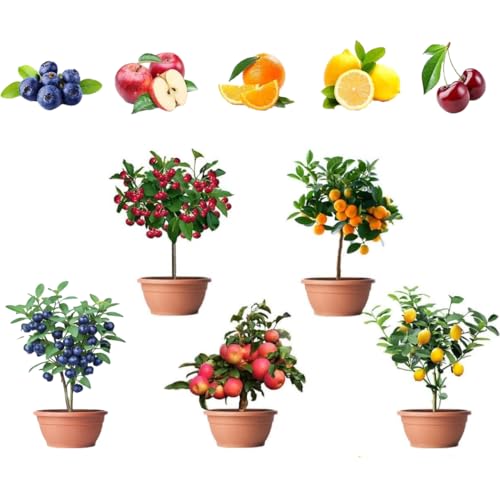
Variety Pack of 5 Fruits: Includes 40 Lemon seeds, 40 Orange seeds, 40 Apple seeds, 20 Cherry seeds, and 20 Blueberry seeds for a colorful and diverse home garden
Apple Trees
Apple trees thrive in many climates, making them a popular choice. They produce a variety of apples such as Gala, Fuji, and Granny Smith, providing different tastes and uses. Plant standard apple trees 15 to 20 feet apart, while dwarf varieties need only 5 to 10 feet.
Consider the following when selecting apple trees:
- Pollination: Many apple varieties require cross-pollination for optimal fruit production. Plant at least two different varieties for better yields.
- Disease resistance: Choose disease-resistant varieties to reduce the need for chemical treatments.
- Harvest time: Apples can be harvested from late summer to fall, so check the growing season for your selected varieties.
Citrus Trees
Citrus trees, like oranges, lemons, and limes, add vibrant flavors and aromas to your garden. They typically flourish in warmer climates. Plant them in well-drained soil and ensure they receive plenty of sunlight.
Key points to consider for citrus trees include:
- Varieties: Common types include Eureka lemons, Valencia oranges, and Persian limes, each with distinct characteristics.
- Spacing: Ensure adequate space, as standard citrus trees require 10 to 15 feet between them, while dwarf types need about 5 feet.
- Care requirements: Citrus trees require consistent watering and fertilizers high in potassium for optimal growth.
Stone Fruit Trees
Stone fruit trees, such as cherry, peach, and plum, feature a single pit or stone in their fruit. They typically do well in temperate climates and produce delicious fruits.
When selecting stone fruit trees, keep these aspects in mind:
- Varieties: Popular selections include Bing cherries, Red Haven peaches, and Santa Rosa plums, each offering unique flavors and uses.
- Chill hours: Many stone fruits need a certain number of chill hours each winter to set fruit. Check your climate’s chill hour requirements for the best results.
- Cross-pollination: Some varieties, like cherries, benefit from cross-pollination. Plant different varieties nearby to enhance fruit yield.
Understanding the characteristics and requirements of these popular fruit trees helps you make informed decisions, ensuring a fruitful gardening experience.
Estimating Fruit Tree Numbers
Estimating the number of fruit trees to plant relies on several important factors, including your space, goals, and maintenance capacity.
Recommended Products


Each offer includes one plant grown in a 4 inch pot

🌳 3-Pack Fruit Tree Bundle Includes live apple, blueberry, blackberry trees—perfectly paired for a diverse and productive backyard orchard.
Home Orchards
Home orchards allow for personalized fruit cultivation. For a small garden, consider 3 to 5 trees, ensuring they’re spaced appropriately. Standard trees need 15 to 20 feet apart, while dwarf trees can be 5 to 10 feet apart. For maximum variety, choose different species that bloom at different times, which helps extend your harvest season. If you’re new to gardening, select one or two easy-to-grow trees like apple or cherry.
Commercial Orchards
Commercial orchards thrive on precise planning and management. Typically, they consist of hundreds to thousands of trees, arranged in rows for optimal space and sunlight. Aim for a density of 100 to 300 trees per acre, depending on tree size and type. For instance, high-density orchards with dwarf trees can reach up to 600 trees per acre. Consider factors like soil quality, water availability, and market demand when determining tree numbers. Regular pruning and disease management are essential to maintain health and productivity among densely planted trees.
Conclusion
Deciding how many fruit trees to plant can truly enhance your gardening experience. By considering your space and lifestyle you can create a thriving orchard that brings joy and benefits to your life.
Whether you’re after fresh fruit or looking to boost your garden’s ecosystem each tree you choose plays a role in your personal landscape. Remember to keep balance in mind so your trees can flourish without competing for resources.
With the right planning and care you’ll not only enjoy delicious harvests but also contribute positively to your environment and community. Happy gardening!
Frequently Asked Questions
How many fruit trees should I plant in my yard?
The number of fruit trees you should plant depends on factors like available space, your gardening goals, and maintenance capabilities. For small gardens, consider planting 3 to 5 trees for a balanced yield. Ensure adequate spacing and choose different species for a staggered harvest.
What are the environmental benefits of planting fruit trees?
Planting fruit trees enhances the ecosystem by producing oxygen, creating habitats for wildlife, and improving soil health. They also support biodiversity by attracting pollinators and promoting various crops, which contributes to a healthier garden overall.
How do fruit trees contribute to personal health?
Fruit trees provide fresh produce that contributes to a nutritious diet. Consuming fresh fruits can enhance physical activity, boost mental well-being, and promote a healthier lifestyle. Incorporating fruit in your diet is a delicious way to improve your overall health.
What factors influence the number of fruit trees I can plant?
Key factors include available space, local climate conditions, and your gardening goals. Understanding your USDA Hardiness Zone helps you choose suitable tree varieties. Additionally, consider soil quality, water availability, and your maintenance capacity before planting.
What types of fruit trees are popular for home gardens?
Popular fruit trees for home gardens include apple, citrus, and stone fruit trees. Each type offers unique flavors and benefits. When selecting, consider factors like pollination needs, climate suitability, and care requirements for optimal growth and fruit production.
What spacing is needed between fruit trees?
Spacing requirements vary by tree variety. Standard-size fruit trees require 15 to 20 feet between each tree, while dwarf varieties need only 5 to 10 feet. Proper spacing ensures good air circulation, nutrient access, and maximizes overall tree health and fruit yield.
How can I estimate the number of trees for a commercial orchard?
For commercial orchards, precise planning is essential. Typically, you’ll plant between 100 to 300 trees per acre, depending on the species. Densely planted orchards require careful consideration of sunlight, space, soil quality, and water availability for optimal production and maintenance.
