

Tangerine trees can thrive in pots in Washington if properly cared for. The key to successful growth lies in selecting the right variety, ensuring adequate sunlight, and providing proper watering and fertilization.
Best Tangerine Varieties for Container Growth
Choosing the right tangerine variety is crucial for container growth in the Pacific Northwest. Some varieties are better suited for cooler climates and can adapt to pot conditions. Look for varieties like Satsuma or Clementine, which are known for their hardiness and flavor.
Recommended Products


Our Owari Mandarin Tree is one-of-a-kind, growing anywhere in the country as a patio plant and withstanding brief temperature drops down to 12 to 15 degrees, With the Owari, you get sweet, delicious oranges, no matter where it’s planted
Satsuma Tangerines for Container Gardening
Satsuma tangerines are an excellent choice for container gardening in Washington’s unique climate. Their compact size and ability to thrive in pots make them ideal for urban gardeners looking to enjoy fresh citrus. This section will explore the best practices for cultivating these flavorful fruits in containers, ensuring a successful harvest even in the Pacific Northwest.
Satsuma tangerines are particularly well-suited for container growth. They are cold-tolerant and produce sweet, juicy fruit. These trees typically reach a height of 4-6 feet, making them manageable for pot cultivation.
Clementine Tangerine Care in Containers
Caring for clementine tangerines in containers requires attention to specific needs, particularly in the unique climate of Washington. Understanding the right soil, watering techniques, and sunlight exposure is essential for thriving plants. This section provides essential tips to ensure your potted clementine tangerines flourish in the Pacific Northwest.
Clementine tangerines are another excellent choice. They are smaller, generally reaching 3-5 feet in height. Their sweet flavor and easy peeling make them popular among home growers.
Optimal Potting Conditions for Tangerine Trees
Creating the right environment for tangerine trees in pots is crucial for their growth and fruit production. In the Pacific Northwest, understanding the specific potting conditions that support these citrus trees will help ensure they thrive despite the region’s unique climate challenges. This section outlines the essential factors to consider for successful pot cultivation.
The right potting conditions can significantly impact the health of your tangerine tree. Proper drainage, soil type, and pot size are all essential factors to consider.
Selecting an Ideal Pot for Tangerines
Choosing the right pot for tangerine trees is crucial for their growth and fruit production, especially in the unique climate of Washington. The ideal pot not only supports the tree’s root system but also ensures proper drainage and aeration, which are vital for healthy development. This section will guide you through the essential considerations for selecting the perfect pot for your tangerine tree.
Select a container that is at least 12-16 inches in diameter. Ensure it has drainage holes to prevent waterlogging. A ceramic or terracotta pot is ideal, as these materials allow for better air circulation.
Citrus Potting Mix Composition
Creating the right potting mix is essential for the health of tangerine trees grown in pots, especially in the unique climate of Washington. This section outlines the ideal composition of a citrus potting mix, ensuring optimal drainage and nutrient availability for thriving trees in a container environment. Understanding these components will help gardeners achieve successful growth and fruit production.
Use a well-draining potting mix that is rich in organic matter. A mix designed for citrus trees is preferable. You can also create your own mix using:
1 part peat moss
1 part perlite
1 part compost
Tangerine Tree Potting Watering Guidelines
Successfully potting and caring for tangerine trees in Washington requires attention to specific watering practices. The unique climate of the Pacific Northwest presents both opportunities and challenges for these citrus trees, making proper hydration essential for their growth and fruit production. Understanding the right watering techniques will help ensure your tangerine trees thrive in their pots.
Proper watering and fertilization are vital for the growth of tangerine trees in pots. Understanding the right balance can prevent common issues like root rot or nutrient deficiencies.
Recommended Products
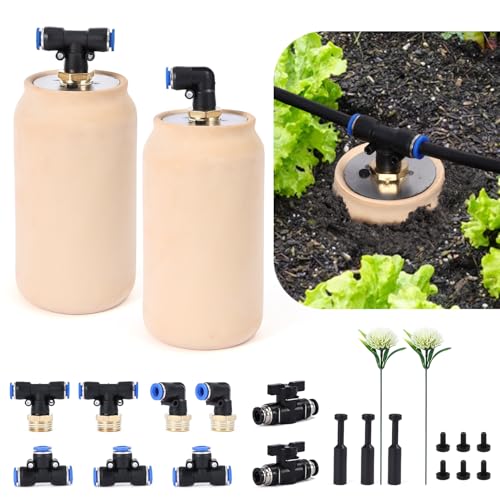
Custom layout: This watering system is equipped with freely spliced and adjustable water pipe components, completely breaking the space limitations of traditional watering equipment and achieving flexible design with adjustable distance and compact layout. Whether it's a small balcony flower box, desktop potted plant area, or a large courtyard flower bed or outdoor vegetable garden, it can be freely extended, shortened, and spliced through water pipes to create exclusive watering that fits the shape and size of the planting area

Valuable Package: this set of 8 pcs 12oz Ollas terracotta watering pots offers a complete solution for automatic plant watering; Each unit comes with a secure rubber stopper, allowing easy refills and reliable irrigation; Perfect for indoor and outdoor plants

[STURDINESS] Improved clay which is different from normal terracotta, sturdy but still release water enough for plants.
Tangerine Tree Watering Guidelines
Proper watering is crucial for the health and productivity of tangerine trees grown in pots, especially in the unique climate of Washington. Understanding the specific needs of these trees will help ensure they thrive and produce fruit, making it essential to follow the right guidelines for watering frequency and quantity.
Water your tangerine tree when the top inch of soil feels dry. During the growing season, this may mean watering every 1-2 weeks. In winter, reduce watering frequency to once every 2-4 weeks.
Citrus Fertilizer Application Guidelines
Proper fertilization is essential for the health and productivity of tangerine trees grown in pots. In the Pacific Northwest, understanding the specific nutrient needs and timing for application can significantly impact tree growth and fruit quality. This section outlines effective guidelines for applying citrus fertilizer to ensure optimal results for your potted tangerine trees.
Use a citrus fertilizer that contains nitrogen, phosphorus, and potassium. Fertilize every 6-8 weeks during the growing season. Follow the manufacturer’s instructions for the correct dosage.
Pest and Disease Management for Tangerine Trees
Managing pests and diseases is crucial for the health and productivity of tangerine trees grown in pots in Washington. This section provides practical strategies and preventive measures tailored to the unique challenges faced by gardeners in the Pacific Northwest, ensuring that your tangerine trees thrive despite potential threats. Understanding these management techniques will help you cultivate a bountiful harvest.
Pests and diseases can threaten your tangerine tree’s health. Regular monitoring and preventive measures can help keep your tree thriving.
Pests Affecting Potted Tangerine Trees
Potted tangerine trees can face various pests that threaten their health and fruit production. Understanding these pests is crucial for maintaining vibrant, fruitful trees in the Pacific Northwest. This section delves into the common pests that affect potted tangerine trees and offers insights on identification and management strategies.
Watch for pests such as:
Aphids
Spider mites
Scale insects
Use insecticidal soap or neem oil to treat infestations. Regularly inspect the leaves and stems for early signs of trouble.
Fungal Disease Management for Tangerine Trees
Managing fungal diseases is crucial for the health of tangerine trees grown in pots, especially in the unique climate of Washington. Understanding the common fungal threats and implementing effective prevention and treatment strategies can help ensure vibrant growth and fruitful yields. This section provides essential insights into maintaining the vitality of your potted tangerine trees.
Fungal diseases can also affect tangerine trees. Ensure good air circulation by pruning excess foliage. Avoid overhead watering to minimize moisture on the leaves.
Tangerine Tree Seasonal Care Strategies
Caring for tangerine trees in pots requires a seasonal approach to ensure healthy growth and fruit production. In the Pacific Northwest, understanding the specific needs of these citrus trees throughout the year can make a significant difference. This section outlines essential strategies for each season to help you nurture your tangerine trees effectively.
Seasonal care is essential for maintaining the health of your tangerine tree. Adjustments in care routines can help adapt to changing weather conditions.
Frost Protection for PNW Tangerine Trees
Protecting tangerine trees from frost is essential for successful cultivation in the Pacific Northwest. This section outlines effective strategies to safeguard these delicate plants during colder months, ensuring they thrive despite the region’s unpredictable winter weather. Understanding these protective measures will help you maintain healthy, fruitful trees in your garden.
During winter, protect your tangerine tree from frost. Move it indoors or cover it with a frost cloth. Reduce watering and stop fertilizing during this dormant period.
Summer Sunlight and Pest Management
In the Pacific Northwest, summer sunlight plays a crucial role in the growth of potted tangerine trees. Understanding how to optimize light exposure while effectively managing pests is essential for ensuring healthy fruit production. This section delves into strategies for maximizing sunlight and safeguarding your trees from common pests during the warmer months.
In summer, ensure your tree receives at least 6-8 hours of sunlight daily. Consider moving it to a sunnier location if growth appears stunted. Regularly check for pests as they can thrive in warmer temperatures.
| Factor | Ideal Condition |
|---|---|
| Pot Size | 12-16 inches |
| Soil Type | Well-draining citrus mix |
| Watering Frequency | Every 1-2 weeks |
| Fertilization | Every 6-8 weeks |
Tangerine Tree Care and Maintenance Tips
Caring for tangerine trees in pots requires attention to specific needs, especially in the unique climate of Washington. Proper maintenance ensures healthy growth and fruit production, making it essential for gardeners to understand watering, fertilization, and pruning techniques tailored to potted citrus. This section provides practical tips to help you nurture your tangerine trees effectively.
Regularly monitor your tangerine tree for signs of stress or nutrient deficiencies. Adjust care routines as necessary to keep your tree healthy and productive.
