

Growing apricot trees in Rhode Island’s coastal soil is achievable with the right techniques. Proper soil preparation and selection of suitable varieties are crucial for success in this unique environment.
Coastal Soil Challenges for Apricot Cultivation
Growing apricot trees in Rhode Island presents unique challenges due to the coastal soil conditions. The sandy and often saline nature of these soils can hinder optimal growth and fruit production. Understanding these specific challenges is crucial for successful apricot cultivation in this region, allowing growers to implement effective strategies for soil management and tree health.
Coastal soil in Rhode Island presents specific challenges for growing apricot trees. High salinity, drainage issues, and varying pH levels can hinder growth. Understanding these characteristics is vital for successful cultivation.
Salinity: Coastal areas often have higher salt content, which can stress plants.
Drainage: Soil may retain too much water or dry out quickly.
pH Levels: Coastal soil can be acidic or alkaline, affecting nutrient availability.
Soil Testing for Apricot Growth
Understanding the soil composition is crucial for successful apricot cultivation in Rhode Island’s coastal environment. Soil testing provides essential insights into nutrient levels, pH balance, and organic matter content, all of which directly influence the health and productivity of apricot trees. This section will guide you through the soil testing process to ensure optimal growth conditions for your trees.
Before planting, conduct a soil test to evaluate its quality. This will help identify necessary amendments to improve soil conditions. A balanced soil profile is essential for healthy apricot trees.
| Soil Parameter | Ideal Range | Test Method |
|---|---|---|
| pH Level | 6.0 – 7.5 | Soil Test Kit |
| Organic Matter | 3% or higher | Soil Test Kit |
| Salinity | Low | Electrical Conductivity Test |
Coastal Apricot Varieties for Rhode Island
Rhode Island’s coastal climate presents unique opportunities for growing apricot trees, particularly with varieties suited to the region’s specific soil and weather conditions. Understanding which apricot varieties thrive along the coast can significantly enhance your chances of a successful harvest, making it essential for local gardeners to choose wisely. This section explores the best coastal apricot varieties for Rhode Island.
Choosing the right apricot tree varieties is crucial for thriving in Rhode Island’s coastal climate. Some varieties are more tolerant of salt and can adapt better to local conditions.
Tilton: Known for its cold hardiness and good flavor.
Katy: A low-chill variety that performs well in coastal areas.
Harcot: Offers excellent fruit quality and disease resistance.
Recommended Products

Mature Size: 15-20 ft height, 15-20 ft spread

Maturity for fruiting Already Reach

The Ivory Mango Tree, a grafted variety of Mangifera indica, is a highly sought-after tropical fruit tree known for its unique elongated fruit, creamy texture, and exceptional flavor. This premium mango variety is native to Southeast Asia and has become a favorite among mango enthusiasts worldwide. Its grafted nature ensures reliable fruit quality, early fruiting, and adaptability, making it an excellent choice for home gardens and orchards.
Site Preparation for Apricot Trees
Preparing the site for apricot trees in Rhode Island is crucial for ensuring healthy growth and fruitful yields. This section outlines the essential steps to create optimal conditions, focusing on soil quality, drainage, and sunlight exposure, all tailored to the unique coastal environment of the region. Proper site preparation lays the foundation for a successful apricot orchard.
Proper site preparation is critical for successful apricot tree growth. Follow these steps to ensure optimal conditions.
Clear Debris: Remove rocks, weeds, and old roots from the site.
Amend Soil: Add organic matter like compost to improve soil structure.
Test Drainage: Dig a hole and fill it with water. If it drains slowly, consider raised beds.
Coastal Water Management for Apricot Trees
Effective coastal water management is crucial for the successful cultivation of apricot trees in Rhode Island’s unique coastal environment. Understanding the interplay between soil salinity, drainage, and irrigation practices can significantly enhance tree health and fruit yield. This section delves into essential strategies for managing water resources to support thriving apricot orchards along the coast.
Water management is essential for apricot trees in coastal regions. Overwatering can lead to root rot, while underwatering can stress the tree.
Irrigation System: Install a drip irrigation system to deliver consistent moisture.
Mulching: Apply a layer of mulch to retain soil moisture and suppress weeds.
Monitor Moisture: Use a soil moisture meter to ensure adequate watering.
Recommended Products
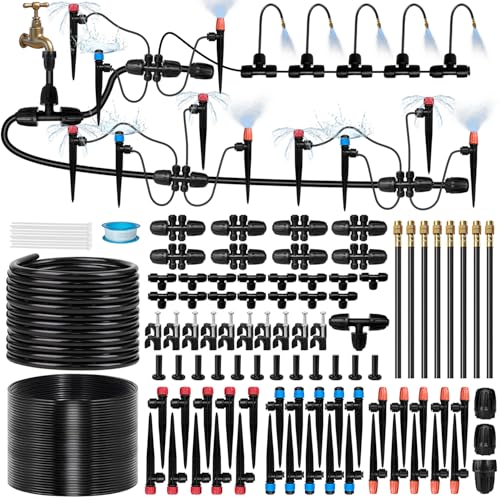
【Upgraded Tube Design & Water Saving】 Our garden watering system is upgraded to 1/2” diameter to support high water pressure. The 1/2” tee connector allows seamless splitting into 2 independent zones for customized watering schedules. By delivering moisture directly to root zones, this drip Irrigation system significantly reduces evaporation and runoff—saving more water compared to conventional sprinklers while eliminating the need for manual watering.
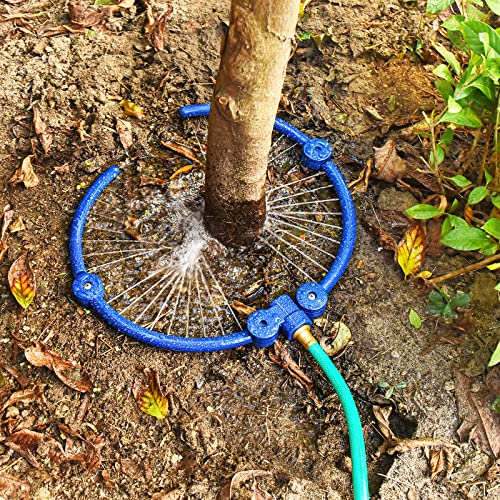
【Specially Designed for Trees and Shrubs】 The Watering Ring is a multi-purpose irrigation ring that attaches to a garden hose to efficiently water young trees shrubs vegetables or flower beds using drip or trickle irrigation.It directs water to the root perimeter of the plant to give them a good start during the first two growing seasons or through periods of drought.

NO MORE HARD INSTALLATION - SET UP IN MINUTES. Tired of struggling with stiff barbed fittings? This drip irrigation system features quick-connect fittings that let you push, lock, and secure tubing effortlessly. No tools, no leaks, just a smooth setup experience. Enjoy a frustration-free installation and get your garden watering system running in minutes.
Fertilization Techniques for Apricot Trees
Fertilizing apricot trees in Rhode Island requires a tailored approach that considers the unique coastal soil conditions. Understanding the nutrient needs of these trees is essential for promoting healthy growth and fruit production. This section delves into effective fertilization techniques to optimize the health and yield of apricot trees in this specific environment.
Regular fertilization supports healthy growth and fruit production. Choose a balanced fertilizer suitable for fruit trees.
| Fertilizer Type | Application Rate | Timing |
|---|---|---|
| 10-10-10 Granular | 1 lb per tree | Early Spring |
| Organic Compost | 2-3 inches around base | Fall |
Pest and Disease Prevention for Apricot Trees
Maintaining the health of apricot trees in Rhode Island requires vigilance against pests and diseases that can threaten their growth. Understanding the specific challenges posed by the coastal environment is crucial for effective prevention strategies. This section outlines key measures to safeguard your apricot trees, ensuring they thrive in the unique soil conditions of the region.
Pests and diseases can threaten the health of apricot trees. Implement preventive measures to safeguard your trees.
Regular Inspections: Check for signs of pests like aphids or spider mites.
Organic Treatments: Use neem oil or insecticidal soap for pest control.
Disease Management: Ensure good air circulation and avoid overhead watering to reduce fungal diseases.
Recommended Products


DAILY CLEANSING BAR – Handmade solid soap designed for everyday external cleansing during bathing and showering.
Optimal Harvesting Methods for Apricot Quality
Harvesting apricots at the right time and using the best techniques is crucial for maintaining their quality, especially in Rhode Island’s unique coastal soil conditions. Understanding optimal harvesting methods can significantly enhance fruit flavor and texture, ensuring that growers maximize their yield and the overall success of their apricot trees. This section explores effective strategies for achieving the best results.
Proper harvesting techniques enhance fruit quality and tree health. Timing and method are essential for optimal results.
Timing: Harvest when the fruit is fully colored and slightly soft to the touch.
Method: Use pruning shears to cut the fruit cleanly from the tree.
Growth Monitoring for Apricot Trees
Monitoring the growth of apricot trees is essential for ensuring their health and productivity, especially in Rhode Island’s unique coastal soil conditions. This section outlines effective strategies and techniques for tracking growth patterns, identifying potential issues, and optimizing care to promote robust development in these trees. Understanding these factors can lead to a successful apricot harvest in the region.
Regular monitoring of your apricot trees will help you identify issues early. Adjust your care practices based on tree performance.
Growth Patterns: Observe tree growth and fruit set.
Soil Health: Re-test soil every few years to assess changes.
Seasonal Adjustments: Modify watering and fertilization based on seasonal conditions.
Regular attention to these factors will ensure successful cultivation of apricot trees in Rhode Island’s coastal soil.
