

Growing apple trees in New Jersey requires careful selection of varieties suited to the local climate and soil conditions. Proper planting techniques and ongoing maintenance will ensure a fruitful harvest. This guide provides essential steps and considerations for successful apple tree cultivation in the Garden State.
New Jersey Apple Tree Variety Selection
Selecting the right apple tree variety is crucial for successful cultivation in New Jersey’s unique climate. With a range of options available, understanding the characteristics and requirements of each variety can help gardeners make informed choices. This section delves into the best apple tree varieties suited for the Garden State, ensuring fruitful harvests and thriving orchards.
Choosing the right apple tree varieties is crucial for successful growth in New Jersey’s climate. The state experiences cold winters and warm summers, making it suitable for many apple varieties. Popular choices include:
Honeycrisp: Known for its crisp texture and sweet flavor.
Fuji: A versatile apple that stores well and has a sweet taste.
Granny Smith: Ideal for baking due to its tartness.
Gala: A favorite for fresh eating with a mild sweetness.
Understanding the specific needs of each variety will help in selecting the best options for your garden.
Soil Testing and Preparation for Apple Trees
Successful apple tree cultivation in New Jersey begins with understanding the soil. Proper soil testing and preparation are essential steps to ensure optimal growth and fruit production. This section will guide you through the necessary procedures to assess and enhance your soil, setting the stage for thriving apple trees in the Garden State.
Soil preparation is vital for the health of your apple trees. New Jersey’s soil can vary, so testing the pH and nutrient levels is essential.
Aim for a pH between 6.0 and 7.0. Follow these steps for effective soil preparation:
Test the soil for pH and nutrient levels.
Amend the soil with organic matter like compost to improve drainage and fertility.
Tillage to a depth of at least 12 inches to aerate the soil.
Here is a quick look at soil amendments:
| Amendment | Purpose |
|---|---|
| Compost | Improves soil structure |
| Lime | Raises pH |
| Sulfur | Lowers pH |
| Fertilizer | Provides essential nutrients |
Proper soil preparation lays the foundation for healthy growth and fruit production.
Recommended Products

Quick, at home results for Soil pH, Nitrogen, Phosphorous and Potash Innovative and inexpensive soil test kit features an easy-to-use capsule system and patented color comparators

KNOW BEFORE YOU GROW | Grow the healthiest, sustainable lawn and garden with the most accurate and easy to use professional soil test kit on the market

150 STRIPS SOIL pH TESTS STRIPS : This Soil pH test kit contains 150counts test strips (3–9 Range)
Apple Tree Planting Best Practices
Planting apple trees in New Jersey requires careful consideration of local climate, soil conditions, and tree varieties. By following best practices tailored to the Garden State, gardeners can ensure healthy growth and fruitful harvests. This section outlines essential techniques for successful apple tree planting, helping enthusiasts cultivate thriving orchards in their backyards.
Planting your apple trees correctly will influence their growth and productivity. Follow these steps for optimal planting:
Choose a location with full sun and good air circulation.
Dig a hole twice as wide as the root ball and the same depth.
Place the tree in the hole, ensuring the graft union is above soil level.
Backfill with soil and water thoroughly to remove air pockets.
Avoid planting too deep, as this can lead to root rot and tree decline.
Recommended Products

🍏 Our Apple Potting Mix is crafted to provide the perfect growing environment for vibrant and healthy apple trees. This premium soil mix ensures your apple trees receive the optimal nutrients, moisture, and aeration needed to thrive, making it ideal for both indoor plants and container gardening.

STARTING A TROPICAL GARDEN- Comprised of real horticultural grade ingredients such as shredded coir husk, pine bark, perlite, sand, and garden lime; no pelletized fertilizer

Apple Tree Care and Maintenance Practices
Caring for apple trees in New Jersey requires a blend of knowledge and practical skills to ensure healthy growth and fruitful harvests. This section delves into essential maintenance practices tailored to the Garden State’s unique climate and soil conditions, providing insights on watering, pruning, and pest management to help gardeners cultivate thriving apple trees.
After planting, ongoing care is essential for healthy apple trees. Regular maintenance tasks include:
Watering: Ensure consistent moisture, especially during dry spells.
Fertilizing: Apply a balanced fertilizer in early spring.
Pruning: Remove dead or diseased branches to promote airflow and sunlight penetration.
Pest management: Monitor for common pests like aphids and codling moths.
A well-maintained tree will yield a better harvest and remain healthy for years.
Recommended Products

▲【Large Fruit Picker Basket with Claw】Our fruit picker rake comes with metal twist on head basket( 9"x5.5"x5.5") for picking avocado, tangerines, apple, persimmon, grapefruit, mango, apple, pear, fig, orange, papaya,mandarins, lemons, jujubes and more fruit in four seasons.
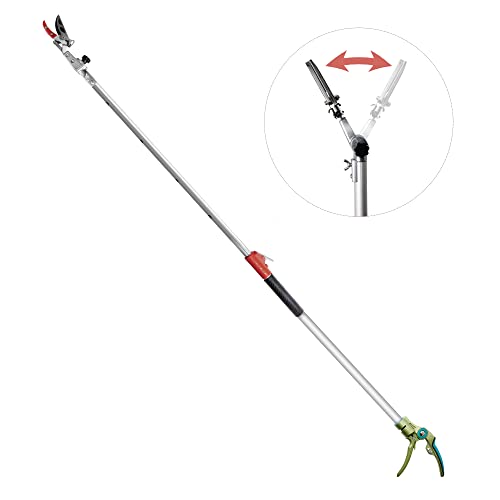
[Helpful Garden Tool] GARTOL brings to you a lightweight and extendable pruning tool to reach out to the least approachable arenas of your garden. You can conveniently get across other plants to remove the fastgrowing brambles and sting nettles without getting scratched or hurt. For gardening lovers, the telescopic pruner cutter head can can be rotated which resolves mobility issues and gives you the pleasure of trimming your garden without bending down or using a ladder to climb and cut them.

PROFESSIONAL GARDENING GRAFTING TOOLS: Including 2 in 1 grafting pruning tools, 3 replaceable blades, a grafting knife, a screwdriver, a wrench, 2 grafting films, 160 rubber bands, 40 wide rubber bands, and 50 colorful tag cards
New Jersey Climate Impact on Apple Trees
New Jersey’s diverse climate plays a crucial role in the successful cultivation of apple trees. Understanding how temperature variations, humidity levels, and seasonal changes affect growth and fruit production is essential for gardeners in the Garden State. This section delves into the specific climatic factors that influence apple tree health and yield in New Jersey.
New Jersey’s climate can impact apple tree growth significantly. Factors to consider include:
Frost dates: Late spring frosts can damage blossoms. Check local frost dates to protect young trees.
Humidity levels: High humidity can lead to fungal diseases. Ensure proper spacing for air circulation.
Winter protection: Mulching around the base can help protect roots from freezing temperatures.
Being aware of these climate factors will help you adapt your care strategies effectively.
Optimal Timing for New Jersey Apple Harvest
Understanding the optimal timing for apple harvest in New Jersey is crucial for maximizing fruit quality and yield. The state’s unique climate and growing conditions influence when apples reach their peak ripeness. This section will explore the best practices and timing for harvesting apples in the Garden State.
Timing your harvest is crucial for the best flavor and quality of your apples. Here’s how to determine when to pick:
Color: The skin should have a rich color, characteristic of the variety.
Firmness: Apples should feel firm to the touch.
Taste test: Sample a few apples to check for sweetness.
Here is a simple guide to harvest timing:
| Variety | Harvest Time |
|---|---|
| Honeycrisp | Late September to early October |
| Fuji | Early to mid-October |
| Granny Smith | Late October |
| Gala | Early September |
Harvesting at the right time ensures the best flavor and storage potential.
New Jersey Apple Tree Care Challenges
Growing apple trees in New Jersey presents unique challenges due to the region’s varied climate and soil conditions. Gardeners must navigate issues such as pest management, disease prevention, and proper pruning techniques to ensure healthy growth and fruitful harvests. Understanding these obstacles is essential for anyone looking to master apple tree cultivation in the Garden State.
Even with proper care, issues may arise. Common problems include:
Pest infestations: Use organic pesticides or introduce beneficial insects.
Diseases: Fungal infections can be managed with fungicides and proper pruning.
Nutrient deficiencies: Yellowing leaves may indicate a lack of nitrogen or other nutrients.
Regular inspections can prevent small issues from becoming major problems.
Apple Tree Care Strategies for New Jersey
Caring for apple trees in New Jersey requires a tailored approach that considers the region’s unique climate and soil conditions. Understanding the specific needs of these trees can enhance their growth and fruit production, ensuring a bountiful harvest. This section outlines effective strategies for nurturing apple trees in the Garden State.
Growing apple trees in New Jersey is a rewarding endeavor with proper planning and care. Selecting the right varieties, preparing the soil, and maintaining the trees will lead to a successful harvest.
