

Growing apple trees in St. Louis, MO is feasible with the right selection and care. The climate and soil conditions in the Gateway City allow for successful cultivation of various apple varieties, provided you follow proper planting and maintenance guidelines.
Best Apple Varieties for St. Louis Climate
Selecting the right apple varieties is crucial for successful cultivation in St. Louis, where the climate presents unique challenges. Understanding which apples thrive in the region’s temperature fluctuations and humidity levels can lead to a fruitful harvest. This section highlights the best apple varieties suited for the Gateway City, ensuring that local gardeners can make informed choices.
Choosing the right apple tree variety is crucial for successful growth. St.
Louis experiences a humid subtropical climate, which influences the types of apples that thrive. Ideal varieties include:
Honeycrisp: Known for its sweetness and crisp texture.
Fuji: Offers a dense, juicy flavor and excellent storage life.
Granny Smith: A tart option that is great for baking and fresh eating.
Jonathan: A well-balanced flavor that is versatile for various uses.
These varieties are resilient and adapted to the local climate, ensuring better yields.
Recommended Products

Organic Fruit

Live Fruit-Bearing Apple Tree – Grow your own crisp, tart Granny Smith apples right at home. This self-pollinating, high-yield apple tree produces firm, green apples perfect for fresh eating, baking, and cider-making
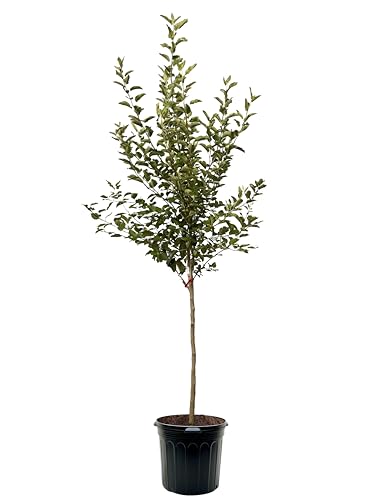
Live Fruit-Bearing Apple Tree – Grow your own crisp, tart Granny Smith apples right at home. This self-pollinating, high-yield apple tree produces firm, green apples perfect for fresh eating, baking, and cider-making
Soil Preparation Techniques for Apple Trees
Preparing the soil is crucial for successful apple tree cultivation in St. Louis, MO. The right techniques ensure that the trees receive essential nutrients and drainage, setting the foundation for healthy growth. Understanding local soil conditions and implementing effective preparation methods can significantly enhance the yield and vitality of your apple trees.
Soil preparation is essential for healthy apple trees. The soil in St.
Louis typically has clay content, which can affect drainage. Follow these steps for optimal soil conditions:
Test Soil pH: Aim for a pH between 6.0 and 7.0.
Amend Soil: Incorporate compost and well-rotted manure to improve fertility and drainage.
Tillage: Loosen compacted soil to promote root growth.
A well-prepared soil environment encourages robust tree development and fruit production.
| Soil Component | Recommended Action |
|---|---|
| pH Level | Test and adjust as necessary |
| Drainage | Improve with organic matter |
| Nutrient Content | Amend with compost |
Apple Tree Planting Methods for St. Louis
When planting apple trees in St. Louis, it’s essential to consider the unique climate and soil conditions of the region. Various methods can enhance growth and fruit production, ensuring that your trees thrive in the Gateway City. This section explores effective planting techniques tailored to the specific needs of apple trees in this area.
Proper planting techniques set the foundation for healthy growth. Follow these steps to ensure successful planting:
Choose a Location: Select a sunny spot with at least six hours of direct sunlight.
Dig a Hole: Make a hole twice as wide and as deep as the root ball.
Position the Tree: Place the tree in the center, ensuring the graft union is above soil level.
Backfill: Fill the hole with soil, gently tamping down to eliminate air pockets.
Water Thoroughly: Apply water to settle the soil around the roots.
These steps will help establish a strong root system and promote healthy growth.
Recommended Products
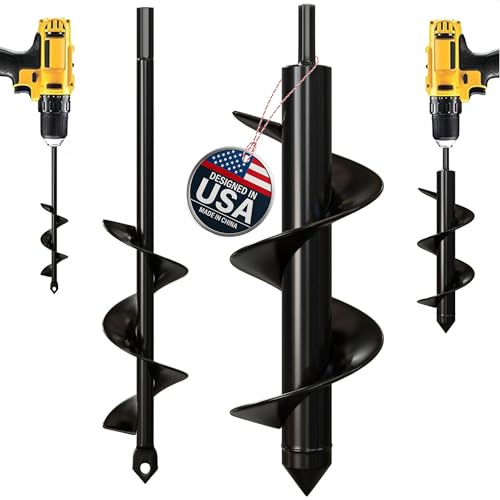
Includes 2 Easy-to-Use Auger Drill Bits (Drill Not Included): Enjoy the convenience of two versatile auger drill bits in this fantastic K-Brands value pack! Simply attach the auger bits to a standard 3/8” hex bit drill, hold with both hands, and watch as you effortlessly dig downward. Reverse the drill to pull the soil back up, and you’ll create the perfect posthole every time
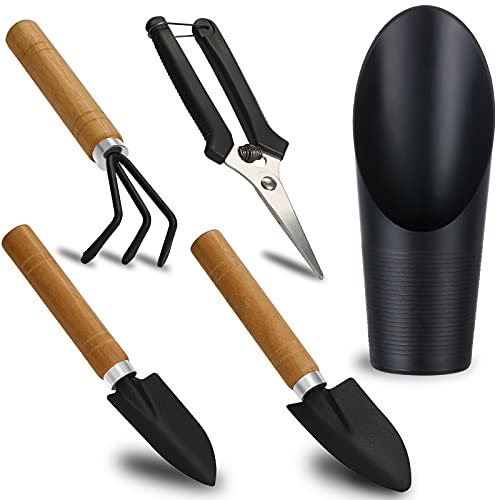
[SUCCULENT GARDEN TOOLS SET] The mini gardening hand tools kit include 3Pcs garden planting tools:1 shovel,1 spade,1 rake;and1 pruning scissors; 1 plastic bucket shovel,pieces of 5.

GARDENING ESSENTIAL: Heavy duty, ergonomic hand cultivator with sharp tines ideal for a variety of gardening tasks like digging in tough soil, aerating soil, removing weeds, and more to encourage overall plant health and appearance
Watering Techniques for St. Louis Apple Trees
Proper watering techniques are crucial for the successful cultivation of apple trees in St. Louis. Given the region’s unique climate and soil conditions, understanding how to effectively manage moisture levels can significantly impact tree health and fruit production. This section explores the best practices for watering apple trees to ensure robust growth and yield.
Watering and fertilizing are critical for apple tree health. St.
Louis can experience dry spells, making consistent moisture important. Follow these guidelines:
Watering Schedule: Water deeply once a week, more frequently during dry periods.
Fertilization: Use a balanced fertilizer in early spring and again in late summer.
Monitoring moisture levels and nutrient availability will support optimal growth and fruiting.
Pest Control Strategies for St. Louis Apples
Effective pest control is crucial for successful apple cultivation in St. Louis, where local conditions can attract various pests. Understanding the specific threats to apple trees in this region allows growers to implement targeted strategies that protect their crops while promoting healthy growth. This section explores practical pest control methods tailored for the unique challenges faced by apple growers in the Gateway City.
Managing pests and diseases is essential for maintaining healthy apple trees. Common issues in St. Louis include:
Apple Scab: A fungal disease that affects leaves and fruit.
Codling Moth: A pest that burrows into apples, causing damage.
Implement these strategies for effective management:
Regular Inspections: Check trees weekly for signs of pests or disease.
Organic Treatments: Use neem oil or insecticidal soap for pest control.
Pruning: Remove affected leaves and branches to improve air circulation.
Proactive management will help protect your apple trees from common threats.
Recommended Products


NEEM OIL CONCENTRATE: Kate Blanc Cosmetics Organic Neem Oil is certified organic by USDA and is authentic, pure, natural, and hexane free; our USDA Organic Certificate is shown in the product images; pure neem oil has a naturally strong, earthy, garlicky scent that some people may not like; it also solidifies in cold weather and will be chunky & pasty, which is normal; it will turn into oil at room temperature

SOOTHING NEEM OIL SOAP BAR - This handcrafted bar is concentrated with 20% organic neem oil. It has no fragrance added and is handmade with only the finest quality organic oils
Optimal Apple Harvesting and Storage Techniques
To ensure a successful apple harvest in St. Louis, understanding the best techniques for harvesting and storing your fruit is crucial. Proper methods can significantly enhance the quality and longevity of your apples, allowing you to enjoy their flavor long after picking. This section outlines effective strategies tailored for the unique climate and conditions of the Gateway City.
Harvesting at the right time ensures the best flavor and quality. Apples should be picked when they are fully colored and slightly firm. Follow these steps for optimal harvesting and storage:
Pick Gently: Twist the apple upwards to detach it from the tree.
Inspect for Damage: Discard any bruised or damaged apples.
Storage Conditions: Store apples in a cool, dark place with high humidity.
Proper harvesting and storage techniques will extend the shelf life of your apples.
Apple Tree Maintenance Tips for St. Louis
Maintaining apple trees in St. Louis requires attention to the unique climate and soil conditions of the region. Understanding local pests, seasonal care, and proper pruning techniques can significantly enhance the health and productivity of your trees. This section offers practical tips tailored to ensure your apple trees thrive in the Gateway City.
Regular maintenance is key to successful apple tree cultivation. Monitor your trees for signs of stress and adjust care as needed.
Neglecting these aspects can lead to poor fruit quality and tree health.
