

Ever wondered if you can grow delicious raspberries in your Florida backyard? Picture this: basking in the warm Florida sun, picking fresh raspberries right from your own garden. Sounds enticing, doesn’t it? In this article, we’ll explore the possibility of growing raspberries in Florida and provide you with valuable insights on how to make it a reality.
Key Takeaways
- Choose heat-tolerant raspberry varieties like Heritage, Caroline, or Amity for successful cultivation in Florida’s warm climate.
- Ensure raspberries receive 6-8 hours of sunlight daily and maintain well-draining soil to prevent waterlogging.
- Implement proper watering techniques by balancing moisture levels and avoiding overwatering to prevent fungal diseases.
- Regular pruning is essential for promoting fruit production and maintaining plant health in warmer climates.
Overview of Raspberry Cultivation in Warm Climates
When cultivating raspberries in warm climates like Florida, there are specific considerations to keep in mind. Here’s what you need to know:
Choosing the Right Varieties
Selecting raspberry varieties suitable for warm climates is crucial. Opt for heat-tolerant types such as Heritage, Caroline, or Amity. These varieties thrive in the heat and humidity typical of Florida.
Sunlight Requirements
Raspberries require ample sunlight to grow successfully. Ensure your planting location receives at least 6-8 hours of direct sunlight daily. In warmer climates, consider providing some afternoon shade to protect the plants from intense heat.
Soil Quality and Drainage
Well-draining soil is essential for raspberry cultivation. In Florida, where heavy rainfall is common, ensure proper drainage to prevent waterlogging, which can lead to root rot. Consider raised beds or adding organic matter to improve soil structure.
Watering Needs
While raspberries need consistent moisture, overwatering can be detrimental. In warm climates, it’s crucial to strike a balance by watering deeply but infrequently. Mulching can help retain soil moisture and regulate temperature.
Pruning and Maintenance
Regular pruning is necessary to promote fruit production and maintain plant health. In warmer climates, raspberries may have an extended growing season; adjust pruning schedules accordingly. Remove dead canes and thin out overcrowded areas for optimal growth.
Pest Control Strategies
Insects like spider mites and aphids can pose a threat to raspberry plants in warm climates. Implement integrated pest management techniques such as regular inspection, natural predators release, or selective pesticide use if needed.
Raspberries in Florida: Challenges and Opportunities
When it comes to growing raspberries in Florida, there are specific challenges and opportunities you should be aware of to ensure successful cultivation.
Climatic Requirements for Raspberry Growth
In Florida’s warm climate, raspberries face unique challenges due to the high temperatures and humidity. To thrive, raspberries require a moderate climate with cool winters and mild summers. In Florida, this can be a challenge as the state predominantly experiences hot and humid conditions. Raspberries prefer temperatures between 60-75°F (15-24°C) for optimal growth. Therefore, selecting heat-tolerant raspberry varieties like Heritage, Caroline, or Amity is crucial for successful cultivation in Florida’s warmer climate.
Adapting Raspberry Cultivation to Florida’s Environment
To adapt raspberry cultivation to Florida’s environment effectively, you must consider specific strategies. Ensuring adequate sunlight exposure is vital as raspberries need at least 6-8 hours of sunlight daily for proper growth and fruit production. Additionally, maintaining well-draining soil is essential to prevent waterlogging, which can lead to root rot in raspberry plants.
Managing watering needs is another critical aspect of cultivating raspberries in Florida. While raspberries require consistent moisture levels, overwatering should be avoided as it can cause fungal diseases and damage the plant roots. Implementing proper pruning techniques not only promotes fruit production but also helps improve air circulation around the plants.
Employing pest control strategies is crucial when growing raspberries in warm climates like Florida. Insects are attracted to the sugary fruits and foliage of raspberry plants; therefore, regularly monitoring for pests such as aphids or spider mites is necessary to protect your raspberry crop.
By understanding these challenges and opportunities associated with growing raspberries in Florida’s warm climate, you’ll be better equipped to cultivate healthy and fruitful raspberry plants in your backyard.
Raspberry Varieties Suitable for Florida
When selecting raspberry varieties to grow in Florida, consider those that can thrive in the state’s warm climate. Here are some suitable options:
Recommended Products

What You Will Receive: You will receive a Pack of 2 healthy, well-rooted 'Nantahala' Red Raspberry starter plants, each currently 5-9 inches tall. Shipped bare-root (dormant) to minimize transplant shock, these vigorous canes are ready to establish quickly in your soil and build the root structure needed for massive future yields.

What You Will Receive – Two (2) live Raspberry Ice Bougainvillea starter plants, each 5–9 inches tall, shipped with strong roots and healthy foliage. Carefully packaged for safe delivery and fast growth after planting.

Everbearing Variety: Enjoy two harvests of sweet, delicious red raspberries each year with this Heritage variety that produces fruit in both summer and fall, providing you with an extended harvest season for fresh berries throughout the growing months
Heat-Tolerant Raspberry Varieties
- Heritage: Known for its adaptability to various climates and disease resistance.
- Caroline: A popular choice with high yields and excellent flavor.
- Amity: Well-suited for warmer regions and produces sweet berries.
- Test different soil types in your area to see which works best for raspberries.
- Sandy loam or well-draining soils are generally favorable for raspberry cultivation.
- Consider adding organic matter like compost to improve soil quality and drainage.
By choosing heat-tolerant varieties like Heritage, Caroline, or Amity, and experimenting with local soil types such as sandy loam, you can increase your chances of successfully growing raspberries in Florida’s warm climate.
Cultivation Techniques for Success
When cultivating raspberries in Florida, there are specific techniques you can employ to ensure successful growth. Here’s how you can optimize your cultivation process:
Recommended Products

Thornless & Easy to Harvest: Joan J is a nearly thornless raspberry variety, making picking fast, comfortable, and kid-friendly.

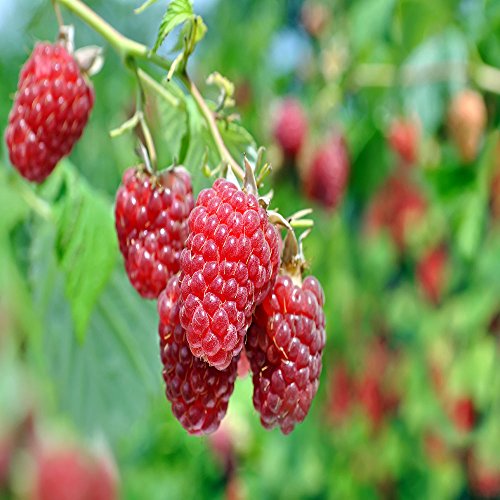
Seed Raspberry Fruit Seeds for Planting Outdoor-Non-GMO Heirloom Sweet Rare Red Raspberry Fruit Plant in Your Home Garden
Sweet - Thornless - High Yielding
Soil Preparation and Maintenance
To give your raspberries the best chance of thriving in Florida’s warm climate, focus on soil preparation and maintenance. Consider the following tips:
- Soil Type: Opt for sandy loam or well-draining soils that allow excess water to flow away from the roots.
- Organic Matter: Improve soil quality by adding compost or other organic matter to enhance drainage and provide essential nutrients.
- pH Levels: Test the soil pH regularly and adjust it as needed to maintain optimal growing conditions for your raspberry plants.
By paying attention to these soil factors, you can create an ideal environment for your raspberries to grow successfully in Florida.
Irrigation and Fertilization Strategies
Proper irrigation and fertilization are crucial aspects of raspberry cultivation in Florida. Follow these strategies for optimal plant health:
- Watering Schedule: Establish a consistent watering schedule, ensuring that the soil remains moist but not waterlogged.
- Mulching: Apply mulch around the base of raspberry plants to retain moisture, suppress weed growth, and regulate soil temperature.
- Fertilization: Use a balanced fertilizer specifically formulated for berries to provide essential nutrients without overfeeding.
By implementing these irrigation and fertilization practices, you can support healthy growth and bountiful harvests from your raspberry plants in Florida.
Conclusion
You’ve now explored the world of growing raspberries in Florida’s sunny climate. By choosing suitable raspberry varieties, ensuring proper sunlight exposure, maintaining well-draining soil, managing watering needs, employing effective pruning techniques, and implementing pest control strategies, you can set yourself up for success. Additionally, optimizing your cultivation through soil preparation by focusing on soil type, adding organic matter, and testing pH levels can further boost your raspberry plants’ growth. Remember to follow irrigation strategies such as a consistent watering schedule, mulching, and balanced fertilization to support healthy plant development. With these insights at hand, you’re well-equipped to cultivate thriving raspberry plants in the vibrant state of Florida.
Frequently Asked Questions
1. What raspberry varieties are best suited for Florida’s warm climate?
Heat-tolerant raspberry varieties like Heritage, Caroline, or Amity thrive in Florida’s warm climate.
2. How important is sunlight exposure for growing raspberries in Florida?
Adequate sunlight exposure is crucial for successful raspberry growth in Florida.
3. Why is well-draining soil essential for cultivating raspberries in the state?
Well-draining soil helps prevent waterlogging and ensures healthy root development of raspberry plants in Florida.
4. What are some key watering considerations for raspberry cultivation in Florida?
Managing watering needs through consistent watering schedules supports optimal growth of raspberries in the warm climate.
5. How can proper pruning techniques benefit raspberry plants in Florida?
Employing proper pruning techniques helps maintain plant health and increase fruit production of raspberries grown in the state.
6. What pest control strategies are effective for protecting raspberry plants in Florida?
Implementing pest control strategies safeguards raspberry plants from common pests prevalent in Florida’s warm climate.
7. How can optimizing soil preparation enhance raspberry cultivation success?
Optimizing soil preparation by focusing on soil type, organic matter addition, and pH level testing improves the chances of thriving raspberry plants in Florida.
8. What irrigation strategies should be prioritized when growing raspberries in the state?
Emphasizing a consistent watering schedule, mulching, and balanced fertilization supports healthy growth of raspberries cultivated in Florida.
