

Growing apple trees in Denver, CO requires specific techniques due to high altitude and variable climate conditions. Proper selection of apple varieties and effective care practices are essential for successful growth and fruit production in this region.
High Altitude Apple Variety Selection
Choosing the right apple varieties is crucial for success in Denver’s high altitude. Varieties that thrive in cooler temperatures and can withstand late frosts are ideal. Look for cultivars that are known for their hardiness and adaptability to the local climate.
Recommended apple varieties include:
Honeycrisp: Known for its crisp texture and sweet flavor.
Gala: Early ripening and disease-resistant.
Granny Smith: Excellent for cooking and baking, with a tart flavor.
Fuji: Sweet and firm, good for fresh eating.
These varieties are more likely to produce fruit in the challenging conditions of Denver.
Site Selection and Preparation for Apple Trees
Selecting the right site and preparing it properly are crucial steps for successfully growing apple trees in Denver’s unique high-altitude environment. Factors such as sunlight exposure, soil quality, and drainage play a significant role in ensuring healthy growth and fruit production. Understanding these elements will set the foundation for a thriving apple orchard.
Site preparation is a vital step in establishing healthy apple trees. Choose a location that receives full sun for at least six hours daily. Well-drained soil is essential to prevent root rot.
Consider the following factors:
Soil Testing: Test soil pH and nutrient levels. Aim for a pH between 6.0 and 7.0.
Drainage: Ensure the site has good drainage to avoid waterlogging.
Wind Protection: Plant trees near a windbreak to protect from harsh winds.
Soil Preparation for Apple Trees
Preparing the right soil is crucial for successfully growing apple trees in Denver’s unique high-altitude environment. The region’s specific climate and soil conditions require careful consideration to ensure optimal growth and fruit production. Understanding how to amend and enrich the soil will set the foundation for healthy, thriving apple trees.
Clear the Area: Remove weeds, rocks, and debris.
Amend the Soil: Add compost or well-rotted manure to enrich the soil.
Tilling: Till the soil to a depth of at least 12 inches to improve aeration.
| Step | Action | Purpose |
|---|---|---|
| 1 | Clear the Area | Remove competition for nutrients |
| 2 | Amend the Soil | Improve soil fertility |
| 3 | Tilling | Enhance soil structure |
Optimal Planting Methods for Denver Apples
Successfully growing apple trees in Denver requires an understanding of the unique challenges posed by high altitude and variable weather conditions. This section explores the optimal planting methods tailored for the region, ensuring that your apple trees thrive and produce healthy fruit despite the local climate. By following these guidelines, you can set a strong foundation for your apple orchard.
Proper planting techniques ensure strong root development and tree stability. Timing is critical; plant apple trees in early spring or fall when temperatures are cooler.
Follow these steps for successful planting:
Dig a Hole: Create a hole twice the width of the root ball and the same depth.
Position the Tree: Place the tree in the center of the hole, ensuring the graft union is above soil level.
Backfill: Fill the hole with soil, gently packing it to eliminate air pockets.
Water Thoroughly: Water the tree immediately after planting to settle the soil.
Optimal Planting Depth for Apples
Understanding the optimal planting depth for apple trees is crucial for successful growth in Denver’s unique high-altitude environment. Proper depth ensures that roots establish effectively, allowing the trees to thrive despite the region’s challenging conditions. This section will explore the ideal planting techniques tailored specifically for apple cultivation in Denver.
Avoid planting too deep to prevent suffocating the roots.
Use mulch around the base to retain moisture and suppress weeds.
High Altitude Watering Techniques
Watering apple trees at high altitudes presents unique challenges due to factors like evaporation rates and soil drainage in Denver’s climate. Understanding effective watering techniques is essential for ensuring healthy growth and fruit production. This section explores tailored strategies to optimize moisture retention and support your apple trees in thriving despite the altitude.
Watering and fertilization are key to healthy apple tree growth. High altitude can lead to rapid evaporation, so consistent watering is necessary.
Consider these strategies:
Watering Schedule: Water deeply once a week during dry spells.
Fertilization: Use a balanced fertilizer in early spring. Look for formulations high in nitrogen for young trees.
Recommended Products
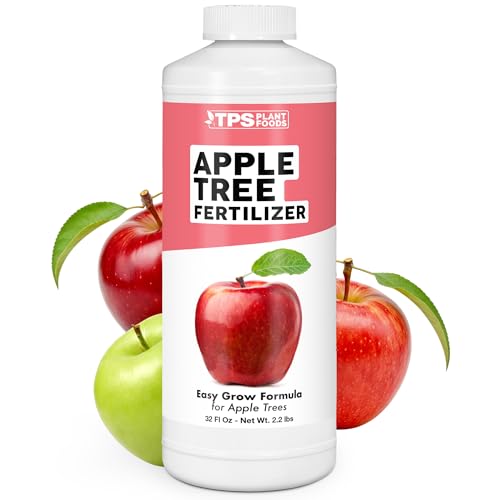
Made for Apple Trees – Formulated to support healthy growth in apple and fruit-bearing trees.
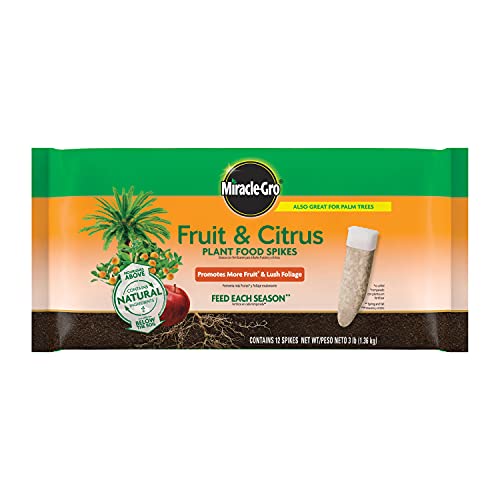
FORMULATED FOR CITRUS AND FRUIT TREES: Use these citrus fertilizer spikes on apple, orange, lemon, lime, and avocado trees; this formula is also great for feeding palm trees

2X MORE VALUE: The 16 oz Apple Fertilizer for fruit trees makes 16 gallons of apple tree spray, while the bigger size 32 oz bottle makes 32 gallons for your apple trees live plants.
Fertilizer Application for High Altitude Apples
Fertilizing apple trees at high altitudes in Denver requires careful consideration of the unique environmental conditions. The combination of intense sunlight, fluctuating temperatures, and shorter growing seasons can affect nutrient availability and uptake. Understanding the right timing and type of fertilizer can significantly enhance the growth and fruit quality of your apple trees in this challenging climate.
| Type of Fertilizer | Application Timing | Rate |
|---|---|---|
| Balanced Fertilizer | Early Spring | Follow package instructions |
| Organic Options | Mid-Summer | 1-2 cups per tree |
Pruning Techniques for Healthy Apple Trees
Pruning is essential for maintaining the health and productivity of apple trees, especially in the unique climate of Denver, CO. Effective pruning techniques can enhance air circulation, sunlight exposure, and overall tree structure, leading to better fruit quality and yield. Understanding the best practices for pruning will help you cultivate thriving apple trees at high altitudes.
Pruning is essential for maintaining tree health and maximizing fruit production. Proper pruning encourages airflow and sunlight penetration.
Follow these pruning tips:
Timing: Prune in late winter or early spring before new growth begins.
Technique: Remove dead or damaged branches and thin out crowded areas to promote growth.
Sucker Removal Strategies for Apple Trees
Sucker growth can divert essential nutrients from your apple trees, particularly in the unique conditions of Denver’s high altitude. Understanding effective sucker removal strategies is crucial for maintaining tree health and maximizing fruit production. This section will explore practical techniques to manage suckers, ensuring your apple trees thrive in this challenging environment.
Remove Suckers: Cut off any suckers growing from the base.
Shape the Tree: Aim for an open center to allow light penetration.
Pest Control Strategies for Apple Trees
Effective pest control is essential for successful apple tree cultivation in Denver’s unique high-altitude environment. With varying pests that can threaten the health and productivity of your trees, implementing targeted strategies can help safeguard your crop. Understanding local pest behaviors and management techniques will ensure a thriving apple orchard in the challenging conditions of this region.
Managing pests and diseases is vital for apple tree health. Common issues include aphids, apple maggots, and fungal infections.
Implement these management practices:
Regular Inspections: Check trees weekly for signs of pests or disease.
Organic Treatments: Use insecticidal soap or neem oil for pest control.
Fungicide Application: Apply fungicides during wet weather to prevent fungal diseases.
Warning on Pesticide Use
When cultivating apple trees in Denver’s unique high-altitude environment, it’s crucial to be mindful of pesticide use. The region’s specific climate and elevation can influence how these chemicals affect both the trees and the surrounding ecosystem. Understanding the potential risks will help ensure a healthier garden and a more sustainable approach to apple cultivation.
Always follow label instructions when applying pesticides to avoid harming beneficial insects.
Optimal Apple Harvest Timing for Quality
Understanding the ideal timing for apple harvesting is crucial for maximizing fruit quality in Denver’s unique high-altitude climate. Factors such as temperature fluctuations and altitude can significantly influence the ripening process, making it essential for growers to recognize the signs of readiness. This section explores the best practices for determining when to pick apples for optimal flavor and texture.
Harvesting at the right time ensures the best flavor and quality. Apples should be picked when they are fully colored and slightly firm to the touch.
Follow these harvesting tips:
Timing: Harvest in late summer to early fall, depending on the variety.
Technique: Twist and lift apples to avoid damaging the tree.
Harvesting Ripeness Indicators for Apples
Understanding when to harvest apples is crucial for achieving the best flavor and texture. In Denver’s unique high-altitude climate, specific indicators can guide you in determining the optimal ripeness of your apples. This section will explore the key signs to look for, ensuring a successful harvest that showcases the fruit’s full potential.
Check for ripeness by tasting a sample before harvesting the entire crop.
