

Growing apple trees in New York City is achievable with the right techniques and care. Urban environments present unique challenges, but selecting the right varieties and employing effective gardening practices can lead to a fruitful harvest.
Choose the Right Apple Tree Varieties
Selecting the right apple tree varieties is crucial for successful cultivation in New York City’s unique urban environment. Factors such as climate, space, and local pests can influence which types will thrive. This section will guide you through the best options tailored for city backyards, ensuring a fruitful harvest in your urban garden.
Selecting the appropriate apple tree varieties is crucial for success in an urban setting. Some varieties thrive better in confined spaces and urban climates. Consider the following options for your backyard:
Honeycrisp: Known for its sweet flavor and crisp texture, it adapts well to urban conditions.
Granny Smith: This tart apple is hardy and resistant to diseases, making it a reliable choice.
Fuji: A popular variety that produces large, sweet apples and tolerates heat.
| Variety | Flavor Profile | Disease Resistance | Space Requirement |
|---|---|---|---|
| Honeycrisp | Sweet | Moderate | Medium |
| Granny Smith | Tart | High | Medium |
| Fuji | Sweet | Moderate | Large |
Recommended Products
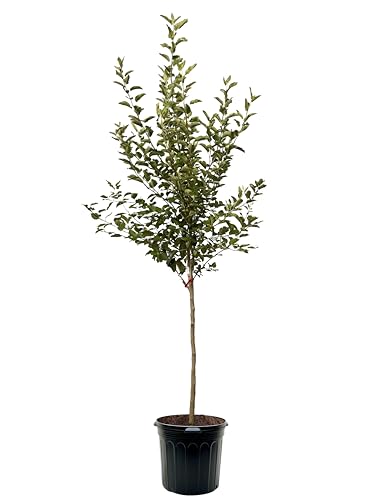
Live Fruit-Bearing Apple Tree – Grow your own crisp, tart Granny Smith apples right at home. This self-pollinating, high-yield apple tree produces firm, green apples perfect for fresh eating, baking, and cider-making

Extra-Sweet & Crisp Apples – Produces large, red-blushed apples with an exceptionally juicy texture and honeyed sweetness, perfect for fresh eating, baking, and cider-making

Live Fruit-Bearing Apple Tree – Grow your own crisp, tart Granny Smith apples right at home. This self-pollinating, high-yield apple tree produces firm, green apples perfect for fresh eating, baking, and cider-making
Urban Garden Space Preparation for Apple Trees
Preparing your urban garden space is crucial for successfully growing apple trees in New York City. Limited space and unique environmental factors require thoughtful planning and execution. This section will guide you through essential steps to create an optimal growing environment for your apple trees in a bustling urban setting.
Creating an optimal environment for your apple trees is essential. Urban gardens often have limited space and unique soil conditions. Follow these steps to prepare your garden:
Select a sunny location: Apple trees require at least six hours of sunlight daily.
Test your soil: Use a soil testing kit to determine pH and nutrient levels. Aim for a pH between 6.0 and 7.0.
Amend the soil: Add compost or well-rotted manure to improve soil structure and fertility.
Avoid planting in areas with poor drainage, as this can lead to root rot.
Effective Watering Methods for Urban Apple Trees
Watering apple trees in an urban environment like New York City requires a tailored approach to ensure healthy growth amidst concrete and limited space. Understanding the unique challenges of urban gardening can help you implement effective watering methods that promote robust fruit production while conserving water. This section explores practical techniques to keep your apple trees thriving in the city.
Watering is a vital aspect of growing apple trees in urban settings. Inconsistent watering can lead to stress and affect fruit quality. Here are effective methods:
Deep watering: Water deeply but infrequently to encourage deep root growth. Aim for 1-2 inches of water per week.
Mulching: Apply a layer of organic mulch around the base to retain moisture and suppress weeds.
Rainwater collection: Consider installing a rain barrel to utilize natural water sources.
Recommended Products
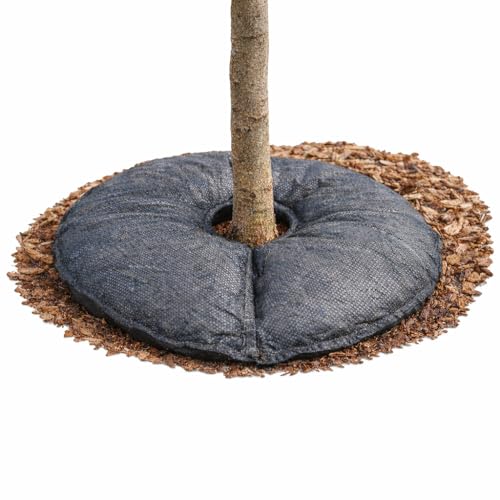
For Plants and Trees that with root balls about 12” in dia., (11-15”, e.g. 3-10 Gallon Container Sizes have top diameters between 11-15”) - Uses 99% LESS WATER than traditional tree bag over the course of multiple seasons for better establishment of the newly planted trees and shrubs! When the plant root ball is larger than 15”, the 36”, 48”, or multiple units of these larger sized SteadySpring Tree Mats are recommended to cover an area double of the root ball size or at least 20” larger than the root ball.
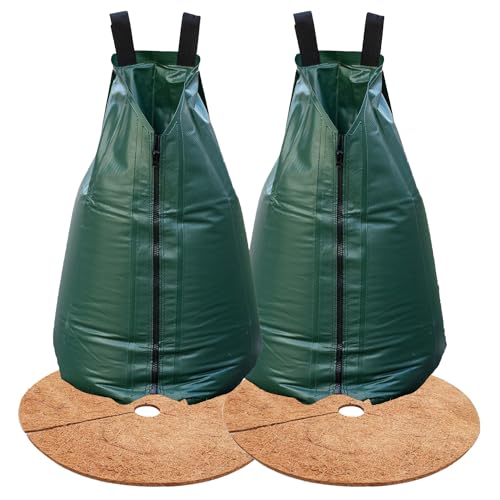
✔️ [Tree Watering Bag Plus Coconut Tree Cover Ring, perfect for tree watering] We found that using a mulch ring together with a tree watering bag works perfectly, so we’ve put together this convenient watering kit

FITS 18” ROOT BALLS | IDEAL FOR 10–25 GALLON TREES & SHRUBS - Designed for newly planted trees and shrubs with root balls up to approximately 18” diameter (typical 10–25 gallon container sizes range 16”–23”). For root balls larger than 24”, use the 48” SteadySpring Tree Mat for proper coverage and performance.
Pruning Techniques for Urban Apple Trees
Pruning is essential for maintaining healthy apple trees, especially in the unique environment of New York City. Urban conditions can pose challenges, but with the right techniques, you can enhance fruit production and tree vitality. This section will explore effective pruning methods tailored for apple trees thriving in urban backyards.
Regular pruning is necessary for maintaining the health of your apple trees. Proper pruning encourages airflow, sunlight penetration, and fruit production. Follow these guidelines:
Prune in late winter: This is the best time to shape your tree and remove dead or diseased branches.
Use sharp tools: Ensure your pruning shears are clean and sharp to make clean cuts.
Focus on the center: Remove branches that cross each other or grow inward to promote an open canopy.
Over-pruning can harm the tree and reduce fruit yield.
Recommended Products

ULTRA SHARP - Much less effort to cut branches with our pruning shears. Crafted from premium SK5 steel with titanium coating, our garden scissors and garden clippers boast exceptional durability and sharpness. A perfect pruning shears for gardening and a must-have garden tool, hedge clippers pruners for gardening
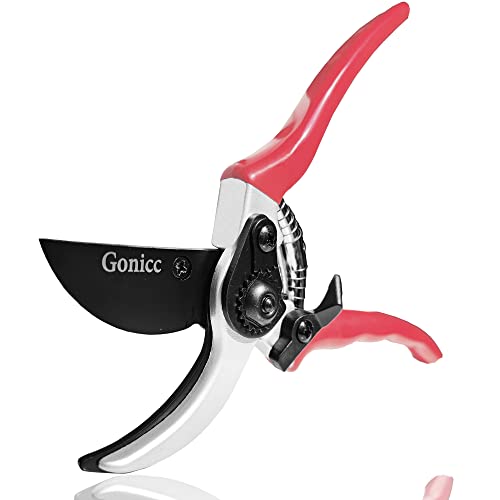
Drop forged body and handles, quality blade made of high carbon steel with Ultra-fine Polishing Technology.

Urban Pest and Disease Prevention for Apple Trees
Urban environments present unique challenges for apple tree cultivation, particularly concerning pests and diseases. In New York City, where space is limited and conditions can be unpredictable, effective prevention strategies are essential for maintaining healthy trees. This section outlines practical measures to safeguard your apple trees against common urban threats.
Urban environments can harbor pests and diseases that affect apple trees. Implement preventive measures to safeguard your trees. Consider these strategies:
Regular inspections: Check for signs of pests like aphids or spider mites and take action promptly.
Organic pesticides: Use neem oil or insecticidal soap to manage pest populations without harming beneficial insects.
Companion planting: Grow herbs like basil or marigold nearby to deter pests naturally.
Apple Harvest Timing and Storage Techniques
Understanding the optimal timing for harvesting apples and the best storage techniques is crucial for urban gardeners in New York City. With the right knowledge, you can ensure your homegrown apples maintain their flavor and freshness. This section provides essential insights into when to pick your apples and how to store them effectively for maximum enjoyment.
Knowing when and how to harvest your apples is crucial for maximizing their flavor and longevity. Follow these steps for the best results:
Check for color: Apples should have a vibrant color and a slight give when squeezed.
Twist and lift: Gently twist the apple to detach it from the tree without damaging the stem.
Store properly: Keep harvested apples in a cool, dark place to prolong freshness. Use breathable containers to avoid moisture buildup.
Avoid harvesting apples too early, as this can affect taste and storage life.
