

Quince trees can thrive in Vermont’s cold climate with the right variety and care. Selecting cold-hardy cultivars and implementing proper growing techniques is essential for successful cultivation in this region.
Cold-Hardy Quince Varieties for Vermont
Choosing the right quince variety is crucial for successful growth in Vermont. The pineapple quince and ** Smyrna quince** are among the best options for colder climates. These varieties are known for their ability to withstand low temperatures while producing high-quality fruit.
Recommended Products

Landscape Focal Point: Ideal as a garden backdrop, a centerpiece in a yard, or planted along fences to add height and dimensional color.

You are buying 2 Live Plants Musa Basjoo Banana Trees 5-6" Tall

CULINARY QUINCE: 20 seeds of Cydonia Oblonga, a versatile fruit tree that produces large golden yellow fruits measuring 6-8 inches in diameter and weighing over 2 pounds each.
Pineapple Quince Growth and Fruit Traits
The pineapple quince is favored for its aromatic fruit and adaptability. It typically reaches a height of 10 to 15 feet and has a bushy appearance. This variety produces large, yellow fruit with a sweet flavor, making it ideal for preserves and baking.
| Feature | Description |
|---|---|
| Height | 10 to 15 feet |
| Fruit Color | Yellow |
| Flavor Profile | Sweet and aromatic |
| Best Uses | Preserves, baking |
Smyrna Quince Characteristics for Cold Climates
The Smyrna quince is another excellent choice for cold climates. This variety is known for its robust growth and high yield. The fruit is typically larger than that of the pineapple quince and has a distinctive flavor that enhances culinary dishes.
| Feature | Description |
|---|---|
| Height | 12 to 18 feet |
| Fruit Color | Yellow-green |
| Flavor Profile | Tart and aromatic |
| Best Uses | Cooking, baking |
Ideal Soil and Sunlight for Quince Trees
To successfully cultivate quince trees in Vermont’s cold climate, understanding the ideal soil and sunlight conditions is crucial. These trees thrive in well-drained, loamy soil enriched with organic matter, and they require full sun exposure to produce quality fruit. Proper attention to these environmental factors can significantly enhance growth and fruiting potential.
Creating the right environment is essential for quince trees to flourish. They prefer well-drained soil with a pH between 6.0 and 7.0. Full sun exposure is necessary for optimal fruit production.
Soil Amendments for Quince Trees
To cultivate healthy quince trees in Vermont’s cold climate, understanding the right soil amendments is crucial. The unique conditions of the region require specific nutrients and pH adjustments to support the growth and fruit production of these trees. This section explores the essential amendments that can enhance soil quality and promote robust quince development.
To prepare the soil for quince trees, follow these steps:
Test soil pH using a soil test kit.
Amend soil with organic matter to improve drainage.
Add fertilizers rich in potassium and phosphorus to promote growth.
Watering Techniques for Quince Trees
Proper watering techniques are essential for the successful growth of quince trees in Vermont’s cold climate. Understanding the unique moisture needs of these trees can help ensure healthy fruit production and overall vitality. This section explores effective watering methods tailored to the specific challenges posed by Vermont’s weather conditions.
Proper watering techniques are vital for quince trees. Water deeply but infrequently to encourage deep root growth. Ensure the planting area has good drainage to prevent root rot, which can be detrimental to young trees.
Quince Tree Pest and Disease Control
Managing pests and diseases is crucial for the health of quince trees in Vermont’s cold climate. Understanding the specific threats these trees face and implementing effective control measures can significantly enhance their growth and fruit production. This section delves into the common pests and diseases that affect quince trees and offers practical solutions for maintaining their vitality.
Managing pests and diseases is crucial for maintaining healthy quince trees. Common pests include aphids and spider mites, while diseases such as fire blight can pose significant threats.
Recommended Products

READY-TO-USE CONTACT SPRAY: No mixing required. Thoroughly spray insecticide on all plant parts, including the underside of leaves. Pests must be sprayed directly to achieve control

DUAL-ACTION BOTANICAL FORMULA — Combines insecticidal soap with cinnamon oil, bringing two complementary approaches together in one plant-care formula.
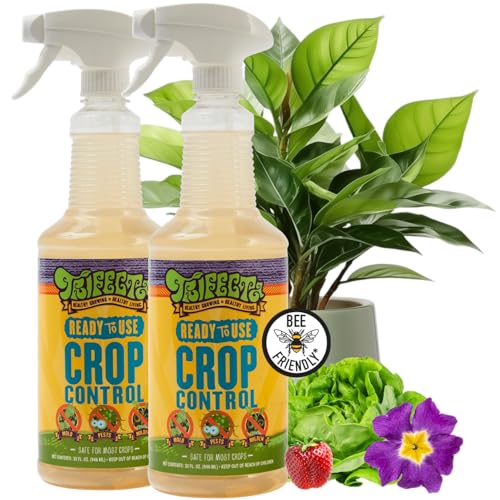
CROP, GARDEN & HOUSEPLANT INSECT CONTROL. Trifecta Crop Control plant based formula targets spider mites, aphids, whiteflies, fungus gnats and other soft bodied pests on indoor and outdoor plants. Safe for edible crops and biodegradable.
Cold-Climate Pest Management Strategies
Managing pests effectively is crucial for the health and productivity of quince trees in Vermont’s cold climate. This section explores targeted strategies that can help mitigate common pest issues, ensuring that growers can maintain robust trees and maximize fruit yields despite the challenges posed by the local environment.
Implement these techniques to manage pests effectively:
Regular inspections of leaves and fruit for signs of infestation.
Introduce beneficial insects like ladybugs to control aphid populations.
Apply organic insecticides when necessary, following label instructions.
Cold-Climate Quince Disease Prevention Techniques
In Vermont’s cold climate, quince trees face unique challenges, particularly from diseases that thrive in cooler temperatures. Understanding effective prevention techniques is essential for maintaining healthy trees and ensuring fruitful harvests. This section explores practical strategies tailored to protect quince trees from common ailments in cold-weather conditions.
Preventing diseases requires proactive measures:
Prune trees to improve air circulation and reduce humidity.
Remove infected branches immediately to prevent spread.
Apply fungicides during wet seasons as a preventive measure.
Quince Harvest Timing and Storage Tips
Understanding the optimal timing for harvesting quince in Vermont is crucial for ensuring the best flavor and quality. This section explores the ideal conditions for picking these cold-climate varieties and offers practical storage tips to maintain their freshness and taste long after harvest.
Knowing when and how to harvest quince is essential for quality. Quince is typically ready for harvest in late fall when the fruit turns a golden yellow.
Recommended Products

【ANTI-SLIP HANDLE DESIGN】: The two-color anti-slip handle of the fruit pruning shears is ergonomically designed made of high purity PP+TRP secondary injection molding. Garden Pruning Shears handle is comfortable to grip and save energy. Garden shears has strong toughness and strength, which provides a strong grip and toughness for long-term use.

Swiss Precision Engineering – Crafted in Switzerland for exceptional cutting performance trusted by professionals and home gardeners alike.

A curved micro-tip shear designed for fine trimming in tight spaces and shaping plants to improve growth.
Quince Harvesting Methods for Cold Climates
Harvesting quince in cold climates like Vermont requires specific techniques to ensure fruit quality and yield. Understanding the unique challenges posed by lower temperatures and shorter growing seasons is essential for successful cultivation. This section explores effective methods for harvesting quince, tailored to thrive in these chilly conditions.
To harvest quince effectively:
Use pruning shears to cut fruit from the tree.
Handle fruit carefully to avoid bruising.
Store harvested fruit in a cool, dry place to extend shelf life.
Optimal Quince Tree Storage Practices
Proper storage techniques are essential for maintaining the quality and longevity of quince fruit, especially in Vermont’s cold climate. Understanding the best practices for storing these delicate fruits can significantly impact their flavor and texture, ensuring they remain a delightful addition to your culinary endeavors. Here are some effective methods to optimize quince storage.
For optimal storage, follow these guidelines:
Keep fruit in a cool area with good air circulation.
Avoid stacking fruit to minimize bruising.
Check regularly for signs of spoilage and remove affected fruit.
Quince Cultivation Logistics in Cold Climates
Growing quince trees in Vermont requires careful planning and attention to specific logistical challenges posed by cold climates. From selecting the right varieties to understanding soil conditions and seasonal care, successful cultivation hinges on adapting traditional practices to withstand harsh winters. This section delves into the essential considerations for nurturing these unique fruit trees in a northern setting.
Understanding the logistics of quince cultivation can enhance your success. Factors such as local climate, soil quality, and available resources play a significant role in your growing strategy.
Vermont Quince Tree Planting Conditions
Vermont’s unique climate presents specific challenges and opportunities for growing quince trees. Understanding the ideal planting conditions is crucial for successful cultivation in this cold-weather region. This section explores the essential factors that contribute to healthy quince growth, ensuring gardeners can thrive despite the state’s variable weather.
Vermont’s climate can be challenging. Choose planting sites that receive maximum sunlight and are sheltered from harsh winds. This will help your trees establish strong roots and produce better yields.
Water and Soil Resource Assessment
Understanding the water and soil requirements for quince trees is essential for successful cultivation in Vermont’s cold climate. This section delves into the specific characteristics of soil and moisture that support healthy growth, ensuring that growers can maximize their yield and fruit quality in challenging conditions.
Assess the availability of resources such as water and soil amendments. Ensure you have access to quality fertilizers and pest control products to maintain healthy trees.
Cold-Climate Quince Cultivation Strategies
Cultivating quince trees in Vermont presents unique challenges due to the region’s cold climate. Understanding effective strategies for growing these fruit-bearing trees is essential for successful harvests. This section delves into specific techniques and practices tailored to enhance quince cultivation in colder environments, ensuring robust growth and fruitful yields.
Quince trees require attention and care to thrive in Vermont’s cold climate. Regular maintenance, proper variety selection, and effective pest management are keys to success.
