

Quince trees can thrive in Dallas, TX, despite the intense North Texas heat by selecting the right varieties and implementing proper care techniques. Choosing heat-tolerant quince varieties and ensuring adequate irrigation are key to successful cultivation in this region.
Choosing Quince Varieties for Dallas Climate
Selecting the right variety of quince is crucial for successful growth in Dallas. Some varieties are better suited to withstand high temperatures and drought conditions. The Pineapple Quince and ** Smyrna Quince** are popular choices that adapt well to the local climate.
Pineapple Quince: Known for its sweet flavor and aromatic fruit.
Smyrna Quince: Produces large, yellow fruits that are excellent for cooking.
| Variety | Flavor Profile | Size | Best Use |
|---|---|---|---|
| Pineapple Quince | Sweet | Medium | Fresh eating |
| Smyrna Quince | Tart | Large | Cooking and preserves |
Soil Preparation Techniques for Quince Trees
Preparing the right soil is essential for the successful growth of quince trees in Dallas, where the North Texas heat can be challenging. Proper soil preparation techniques not only enhance drainage and nutrient availability but also create a conducive environment for these trees to thrive. Understanding the specific needs of quince trees will help ensure a fruitful harvest despite the region’s climate.
Soil preparation is essential for quince trees to thrive in Dallas. Soil should be well-draining and rich in organic matter. Conduct a soil test to determine pH and nutrient levels.
Amend Soil: Add compost to improve nutrient content.
Check Drainage: Ensure the planting area does not retain water.
Soil Testing for Quince Tree Success
Understanding the soil composition is crucial for the successful growth of quince trees in Dallas, especially given the challenges posed by North Texas heat. Proper soil testing can reveal essential nutrients and pH levels, enabling gardeners to make informed decisions that support healthy tree development and fruit production. This section explores the importance of soil testing and its impact on quince tree success.
Test Soil using a home testing kit.
Add Organic Matter like compost or aged manure.
Till Soil to a depth of at least 12 inches.
Level the Area to promote even water distribution.
Irrigation Techniques for Quince Trees
Irrigating quince trees in Dallas requires careful consideration of the region’s intense heat and variable rainfall. Effective irrigation techniques are essential for ensuring healthy growth and fruit production, particularly during the sweltering summer months. Understanding the best practices can help gardeners successfully cultivate these trees in North Texas.
Proper irrigation is vital for quince trees in the heat of North Texas. Deep watering encourages root growth and drought resistance.
Watering Schedule: Water deeply once a week.
Mulching: Apply a 3-inch layer of mulch to retain moisture.
Drip Irrigation Techniques for Quince Trees
In the challenging climate of Dallas, TX, effective irrigation is crucial for the health of quince trees. Drip irrigation techniques can provide a consistent water supply while minimizing waste, making them an ideal choice for gardeners looking to thrive in North Texas’s heat. Understanding these methods can significantly enhance the growth and fruit production of quince trees in the region.
Install Drip Irrigation for efficient water delivery.
Monitor Soil Moisture regularly.
Adjust Frequency based on rainfall and temperature.
Quince Tree Pest and Disease Prevention
In the challenging climate of Dallas, TX, quince trees face various pests and diseases that can threaten their health and productivity. Understanding the common issues and implementing effective prevention strategies is essential for gardeners looking to cultivate robust quince trees in North Texas. This section explores practical measures to safeguard these trees from potential threats.
Pests and diseases can threaten quince trees, especially in warm climates. Regular monitoring and preventive measures can mitigate these risks.
Common Pests: Aphids and spider mites.
Diseases: Fire blight and powdery mildew.
Recommended Products
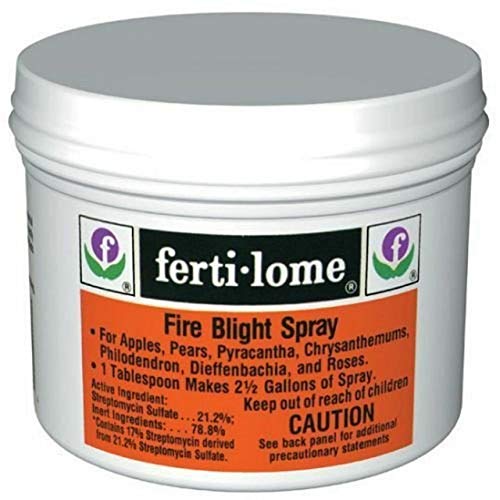
Sold on Amazon

SYSTEMIC FUNGICIDE - For control of root rot, downy mildew, fire blight, sudden oak death (s.o.d.), phytopthora & pythium diseases and other listed diseases.

Controls Fire Blight and Bacterial Wilt, Stem Rot, Leaf Spot, and Crown Gall.
Pest Management Strategies for Quince Trees
Effective pest management is crucial for maintaining healthy quince trees in Dallas, especially given the region’s challenging climate. Understanding common pests and implementing targeted strategies can help protect these trees from damage, ensuring a fruitful harvest despite the heat and humidity of North Texas. This section explores practical approaches to safeguard quince trees from potential threats.
Inspect Trees weekly for signs of infestation.
Apply Insecticidal Soap for soft-bodied insects.
Remove Affected Areas to prevent disease spread.
| Pest/Disease | Symptoms | Treatment |
|---|---|---|
| Aphids | Curling leaves | Insecticidal soap |
| Fire Blight | Blackened branches | Prune infected areas |
| Powdery Mildew | White powdery spots | Fungicide application |
Fertilization Strategies for Quince Trees
Fertilizing quince trees in Dallas requires a tailored approach to ensure their health and productivity amid the region’s intense heat. Understanding the specific nutrient needs and timing for application can significantly enhance growth and fruit yield. This section explores effective fertilization strategies designed to support quince trees thriving in North Texas conditions.
Fertilization is essential for quince trees to produce healthy fruit. A balanced fertilizer can support growth during the active growing season.
Timing: Fertilize in early spring.
Type: Use a balanced fertilizer with equal parts nitrogen, phosphorus, and potassium.
Fertilizer Selection for Quince Trees
Selecting the right fertilizer for quince trees in Dallas is crucial for their growth and resilience against the region’s intense heat. Understanding the nutritional needs of these trees can enhance their health and fruit production, ensuring they thrive in North Texas conditions. This section explores effective fertilizer options tailored for quince trees in this challenging climate.
Choose Fertilizer based on soil test results.
Apply According to Package Instructions.
Water After Application to help nutrients penetrate the soil.
Optimal Timing for Quince Harvest
Understanding the optimal timing for quince harvest is crucial for gardeners in Dallas, TX, where the North Texas heat presents unique challenges. Knowing when to pick these fruits ensures maximum flavor and quality, allowing you to enjoy the best of your quince trees. This section delves into the ideal harvest periods and key indicators for determining ripeness.
Harvesting quince requires careful timing to ensure peak flavor and quality. Quince should be picked when they turn a yellowish hue and emit a fragrant aroma.
Harvesting Time: Late summer to early fall.
Storage: Store in a cool, dry place to extend shelf life.
Quince Fruit Inspection Techniques
Inspecting quince fruit is essential for ensuring quality and maximizing yield, especially in the challenging climate of Dallas, TX. Understanding effective techniques for assessing fruit health can help growers identify issues early, leading to better management practices. This section will explore various methods for inspecting quince fruit, focusing on both visual cues and practical approaches.
Inspect Fruits for color and aroma.
Use Sharp Pruners to cut the fruit from the tree.
Place in a Basket lined with cloth to avoid bruising.
Quince trees can flourish in Dallas with the right variety selection, soil preparation, and care techniques. Regular monitoring for pests and diseases will also support healthy growth.
