

Growing Mulberry Trees in pots is a viable option for gardeners in Pennsylvania. These trees thrive in containers, allowing for easy mobility and care while adapting to the Keystone State’s climate.
Best Mulberry Varieties for Container Gardening
When selecting mulberry trees for container gardening in Pennsylvania, it’s essential to choose varieties that thrive in pots while adapting well to the local climate. Certain types not only flourish in confined spaces but also produce delicious fruit, making them ideal for home gardeners looking to maximize their space and enjoy the bounty of mulberries.
Choosing the right Mulberry Tree variety is crucial for container gardening. The most suitable types for pots include the Dwarf Black Mulberry and the Illinois Everbearing Mulberry. These varieties are compact and can flourish in limited space.
Dwarf Black Mulberry: Grows up to 3-4 feet tall, produces sweet berries.
Illinois Everbearing Mulberry: Reaches 5-10 feet, offers continuous fruiting.
Consider local climate conditions and the specific characteristics of each variety when selecting the best option.
Potting Setup for Healthy Mulberry Trees
Creating the right potting setup is essential for cultivating healthy mulberry trees in Pennsylvania. This section will guide you through the necessary components, including soil selection, pot size, and drainage considerations, to ensure your trees thrive in a container environment. Proper preparation can significantly enhance growth and fruit production in your potted mulberry trees.
Proper preparation ensures the health of your Mulberry Tree. Select a large pot with drainage holes to prevent root rot. Use a high-quality potting mix that retains moisture yet drains well.
Recommended Products

Made of premium quality durable non-woven fabric, BPA and AZO free, washable and reusable

Pots and Containers from Hydrofarm.
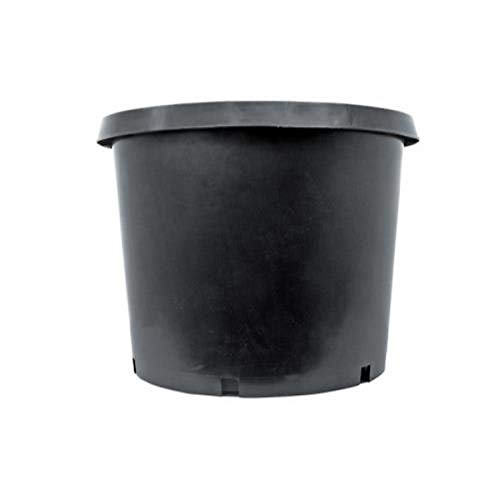
Durable, thick black plastic
Essential Potting Supplies for Mulberry Trees
When cultivating mulberry trees in pots, having the right supplies is crucial for their growth and health. This section outlines the essential potting materials and tools you need to create an optimal environment for your trees, ensuring they thrive in Pennsylvania’s unique climate. Equip yourself with the right resources to support your gardening efforts effectively.
Large pot (at least 15 gallons)
Well-draining potting mix
Fertilizer (slow-release)
Mulch for moisture retention
Pot Selection for Mulberry Trees
Choosing the right pot for mulberry trees is essential for their growth and health, especially in Pennsylvania’s varied climate. The pot not only provides the necessary space for root development but also influences drainage and moisture retention. Understanding the best materials and sizes will help ensure your mulberry thrives in a container setting.
Choose a Pot: Ensure it is large enough for root growth.
Fill with Mix: Add potting mix to about two-thirds full.
Plant the Tree: Position the tree in the center and fill around it with more mix.
Water Thoroughly: Ensure the soil is moist but not soggy.
Pot Care for Mulberry Trees in Pennsylvania
Caring for mulberry trees in pots requires specific attention, especially in Pennsylvania’s varied climate. Understanding the unique needs of these trees will help ensure they thrive in containers, providing lush foliage and delicious fruit. This section outlines essential pot care techniques tailored for Pennsylvania’s conditions, enabling successful cultivation of mulberry trees in your home garden.
Mulberry Trees require specific watering and fertilization to thrive in pots. Regular watering is essential, especially during dry spells.
Water deeply when the top inch of soil feels dry.
Fertilize every 6-8 weeks during the growing season with a balanced fertilizer.
Recommended Products
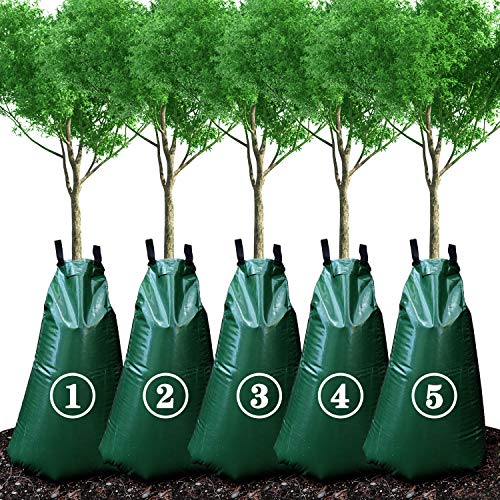
【BIG CAPACITY】Holds up to 20 gallons of water for deep watering to keep trees hydrated longer, especially in drought or hot weather areas. Most bags typically empty within 5–9 hours, while actual watering time may vary depending on soil type, weather, tree size, and water pressure. In some cases, it may take 5–24 hours to fully empty. Based on our testing, this release rate helps water reach the roots effectively while reducing evaporation in hot or dry conditions.

[10-Gallon Water Capacity] Holds a substantial volume of water to support consistent root zone moisture.

Engineered for Approx. 12-Hour Slow Release – Ideal for overnight watering and much longer-lasting than common short-duration options.
Pot Watering Frequency for Mulberry Trees
Understanding the proper watering frequency for mulberry trees in pots is crucial for their health and growth, especially in Pennsylvania’s varying climate. This section will detail the specific needs of these trees, helping you maintain optimal moisture levels to ensure robust development and fruit production throughout the seasons.
| Season | Frequency | Notes |
|---|---|---|
| Spring | Weekly | Increase in hot weather |
| Summer | Twice weekly | Ensure consistent moisture |
| Fall | Weekly | Reduce as temperatures drop |
| Winter | Monthly | Water sparingly |
Pest and Disease Management for Mulberry Trees
Managing pests and diseases is crucial for the health of potted mulberry trees in Pennsylvania. This section provides insights into common threats these trees face in the Keystone State and offers practical solutions to ensure their vitality and productivity. Understanding these challenges will help you maintain robust and fruitful mulberry trees throughout the growing season.
Mulberry Trees can face various pests and diseases. Regular monitoring helps in early detection. Common issues include aphids, scale, and fungal infections.
Recommended Products

PURE NEEM OIL FORMULA – Expertly crafted with high-quality, cold-pressed Neem oil. This plant-based cleansing bar delivers the natural properties of the Neem leaf directly to your skin without harsh chemicals or synthetic additives.

USDA Organic Neem Oil - 100% pure, cold pressed neem oil. Ideal for skin and hair care. Non-GMO and vegan.

Suitable for ALL Skin Types. Each Soap is 75 grams(2.65 Ounces). You will get 12 X 2.65 Ounces = 32 Ounces = 2 Pound.
Aphid Management for Potted Mulberry Trees
Aphids can pose a significant threat to potted mulberry trees, especially in Pennsylvania’s varying climate. Effective management strategies are essential for maintaining the health and vitality of these trees, ensuring they thrive despite pest pressures. Understanding how to identify and control aphid infestations will help you protect your plants and promote robust growth.
Aphids: Use insecticidal soap or neem oil.
Scale: Manually remove or apply horticultural oil.
Fungal Infections: Ensure good air circulation and avoid overhead watering.
Pot Disease Prevention for Mulberry Trees
Preventing diseases in potted mulberry trees is crucial for maintaining their health and vigor, especially in Pennsylvania’s unique climate. Understanding common threats and implementing effective strategies can help ensure your trees thrive in containers, providing you with lush foliage and delicious fruit. This section will explore practical tips for safeguarding your mulberry trees from potential diseases.
Keep the area around the pot clean.
Avoid overcrowding with other plants.
Ensure proper drainage to prevent root diseases.
Pruning Strategies for Potted Mulberry Trees
Pruning potted mulberry trees is essential for maintaining their health and promoting fruitful growth, especially in Pennsylvania’s unique climate. This section outlines effective strategies tailored to ensure your trees thrive in containers, helping you achieve a balanced shape and optimal fruit production while adapting to the challenges of potted cultivation.
Pruning is vital for maintaining the shape and health of your Mulberry Tree. Regular pruning encourages new growth and fruit production.
Pruning Techniques for Potted Mulberries
Pruning is essential for maintaining the health and productivity of potted mulberry trees, especially in Pennsylvania’s unique climate. Proper techniques not only encourage robust growth but also help manage the tree’s size and shape, ensuring it thrives in a confined space. Understanding the right methods will enhance your gardening experience and yield a bountiful harvest.
Assess the Tree: Look for dead or crossing branches.
Use Clean Tools: Always use sharp, clean pruning shears.
Cut Strategically: Remove up to one-third of the tree to maintain size and shape.
Optimal Pruning Timing for Potted Mulberries
Pruning is essential for maintaining the health and productivity of potted mulberry trees, especially in Pennsylvania’s unique climate. Understanding the optimal timing for pruning can significantly enhance growth and fruit yield, ensuring your trees thrive throughout the seasons. This section will guide you through the best practices for pruning your mulberry trees effectively.
Early Spring: Before new growth begins.
Mid-Summer: Light pruning to control shape.
Seasonal Mulberry Tree Care Practices
Caring for mulberry trees in pots throughout the seasons is essential for their health and productivity in Pennsylvania’s unique climate. This guide outlines specific practices tailored to each season, ensuring that your potted mulberry thrives and produces delicious fruit. Understanding these seasonal needs will help you cultivate a robust and fruitful tree right in your own backyard.
Understanding seasonal changes is essential for the care of Mulberry Trees in pots. Adjust care practices based on the season to ensure optimal growth.
Seasonal Care for Potted Mulberry Trees
Caring for potted mulberry trees in Pennsylvania requires attention to seasonal changes that can impact their health and growth. Understanding the specific needs of these trees throughout the year will help ensure they thrive in your garden. This section outlines essential seasonal care tips tailored for the unique climate of the Keystone State.
| Season | Care Actions |
|---|---|
| Spring | Fertilize, prune, check for pests |
| Summer | Water regularly, monitor for heat stress |
| Fall | Reduce watering, prepare for winter |
| Winter | Insulate pot if temperatures drop |
Regular attention to these seasonal needs will keep your Mulberry Tree healthy and productive.
Successful Care Tips for Potted Mulberry Trees
Caring for potted mulberry trees in Pennsylvania requires attention to specific environmental conditions and proper maintenance techniques. This section provides essential tips for ensuring your trees thrive in pots, covering aspects such as soil choice, watering practices, and light requirements tailored to the unique climate of the Keystone State.
Growing Mulberry Trees in pots in Pennsylvania requires attention to detail and commitment. Be proactive in your care routine to enjoy the sweet rewards of your labor.
