

Growing almond trees in New Mexico’s high desert requires careful planning and attention to local conditions. Selecting the right varieties and understanding soil and climate needs are crucial for successful cultivation. This guide provides essential tips for planting and maintaining almond trees in this unique environment.
Best Almond Varieties for New Mexico’s Climate
Choosing the right almond variety is critical for success in New Mexico’s high desert climate. Varieties such as Nonpareil, Carmel, and Sonora are well-suited for the region due to their adaptability to heat and drought. Each variety has unique characteristics, including size, flavor, and harvest time.
| Variety | Characteristics | Harvest Time |
|---|---|---|
| Nonpareil | Sweet, thin-shelled | Late July |
| Carmel | Medium size, good flavor | Early August |
| Sonora | Large, sweet, and crunchy | Mid August |
Recommended Products

Seed Preparation: Soak the seeds in room-temperature water for 24–48 hours to soften the outer shell and promote germination.
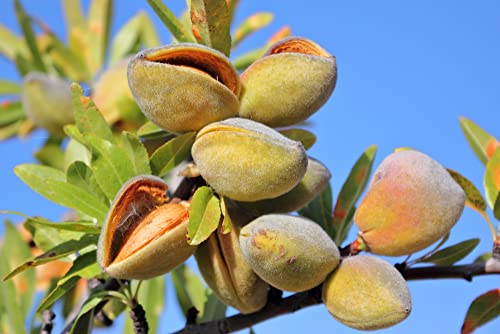

Imagine your property a few years from now — cooler, greener, and more comfortable. A place where a wide, layered canopy creates natural shade and transforms open space into a relaxing outdoor environment. That future starts with planting a Tropical Almond Tree (Terminalia catappa) today.
Soil Preparation Techniques for Almond Trees
Preparing the right soil is crucial for successfully growing almond trees in New Mexico’s high desert climate. This section will explore effective techniques for soil preparation that enhance drainage, nutrient availability, and overall tree health, ensuring your almond trees thrive in this challenging environment. Understanding these methods will set a solid foundation for your almond cultivation efforts.
Soil preparation is vital for healthy almond tree growth. The high desert often has sandy or rocky soil, which can affect water retention and nutrient availability.
Conduct a soil test to determine pH and nutrient levels. Amend the soil with organic matter to enhance fertility and structure.
Add compost to improve nutrient content.
Incorporate mulch to retain moisture.
Ensure good drainage to prevent root rot.
Recommended Products
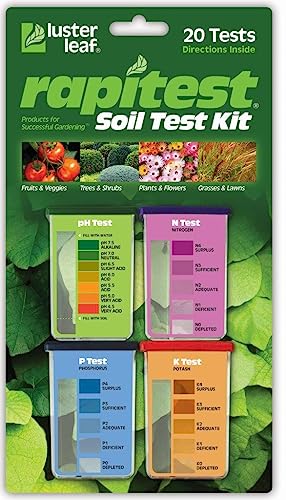
Quick, at home results for Soil pH, Nitrogen, Phosphorous and Potash Innovative and inexpensive soil test kit features an easy-to-use capsule system and patented color comparators

KNOW BEFORE YOU GROW | Grow the healthiest, sustainable lawn and garden with the most accurate and easy to use professional soil test kit on the market

Accurate Soil pH Testing: Dewildetradingco Soil pH Test Strips offer measurements of soil pH levels (pH 3.5-9). As an essential tool for every gardener and grower, these test strips help determine the optimal pH for various plants, such as outdoor plants, indoor plants, gardens, grass lawns, fruit trees, flowers, vegetables, and forest shrubs.
Almond Tree Planting Strategies for New Mexico
Planting almond trees in New Mexico’s unique high desert environment requires careful consideration of local conditions. With its arid climate and varying soil types, successful cultivation hinges on specific strategies tailored to maximize growth and yield. This section outlines effective techniques for planting and nurturing almond trees in this challenging yet rewarding region.
Proper planting techniques can significantly impact the success of almond trees. Timing is essential; plant in early spring after the last frost. Follow these steps for effective planting:
Dig a hole twice the width of the root ball.
Place the tree in the center, ensuring the graft union is above soil level.
Backfill the hole with soil, gently packing it down.
Water thoroughly to eliminate air pockets.
Irrigation Techniques for Almond Trees in High Desert
Irrigation is crucial for successfully growing almond trees in New Mexico’s high desert environment, where water scarcity can pose significant challenges. Understanding effective irrigation techniques will help ensure that your almond trees receive the necessary moisture to thrive in these arid conditions, ultimately leading to healthier trees and better yields.
Irrigation is crucial in the high desert due to low rainfall. Almond trees require consistent moisture, especially during the growing season. Implement these irrigation strategies:
Drip irrigation is ideal for efficient water use.
Monitor soil moisture regularly to prevent overwatering.
Adjust watering schedules based on seasonal weather changes.
Recommended Products

COMPLETE IRRIGATION KIT: Comprehensive 100ft drip irrigation system includes 30 meters of 5/16 inch PE hose, 1 Y-splitter, 30 brass nozzles with 20cm extensions, 30 T-joints in various configurations, 6 elbow connectors, 4 end plugs, and 60 cable ties for secure installation

Unique Design: 1/4" drip emitter ensures wide water passages, large deep and wide cross-section that improves clogging resistance for Garden Pots, Trees and Shrubs

TRUE QUICK CONNECT – NO LEAKS, NO STRUGGLE: Unlike traditional kits that require twisting and force-fitting, our quick-connect design lets you simply push tubing into place. Secure, leak-resistant connections every time — no tools needed.
Almond Tree Pest and Disease Control Strategies
Managing pests and diseases is crucial for the successful cultivation of almond trees in New Mexico’s challenging high desert environment. This section outlines effective strategies to protect your almond trees from common threats, ensuring healthy growth and optimal yields. Understanding these control methods will help you maintain a thriving orchard despite the region’s unique challenges.
Managing pests and diseases is essential for maintaining healthy almond trees. Common pests include aphids and spider mites, while diseases like powdery mildew can affect growth. Implement integrated pest management strategies:
Use insecticidal soap for pest control.
Apply fungicides as a preventative measure against diseases.
Encourage beneficial insects like ladybugs to control pest populations.
Optimal Almond Harvest Timing and Techniques
Timing is crucial for a successful almond harvest, especially in the unique climate of New Mexico. Understanding the optimal period for harvesting and the techniques that enhance yield can significantly impact the quality and quantity of your almonds. This section will explore the best practices to ensure a fruitful harvest in the high desert environment.
Harvesting almonds at the right time ensures optimal flavor and quality. Monitor the nuts for signs of maturity, such as hull splitting. Follow these steps for effective harvesting:
Shake the trees gently to dislodge nuts.
Collect fallen nuts promptly to prevent spoilage.
Dry the nuts in a shaded area to reduce moisture content.
Almond Tree Fertilization Timing and Guidelines
Fertilizing almond trees is crucial for their growth and productivity, especially in the unique climate of New Mexico’s high desert. Understanding the optimal timing and specific guidelines for fertilization will help ensure that these trees receive the nutrients they need to thrive in challenging conditions. Proper care can lead to a bountiful harvest and healthy plants.
A proper fertilization schedule supports healthy growth and nut production. Almond trees benefit from a balanced fertilizer that provides essential nutrients. Consider the following:
Apply fertilizer in early spring before new growth begins.
Use a soil test to determine specific nutrient needs.
Reapply mid-summer to support nut development.
Weather Impact on Almond Tree Growth
Understanding the weather conditions in New Mexico is crucial for successfully growing almond trees in this high desert region. Variations in temperature, humidity, and precipitation can significantly influence the trees’ growth and productivity. This section explores how these climatic factors affect almond cultivation and offers insights for optimizing growth in challenging environments.
Weather can significantly impact almond tree health and productivity. New Mexico’s high desert experiences temperature fluctuations that can affect flowering and fruit set. Stay informed with these practices:
Use weather apps to track temperature and rainfall.
Protect trees from late frosts with covers or windbreaks.
Adjust care routines based on seasonal weather patterns.
Almond Tree Development Phases in New Mexico
Understanding the development phases of almond trees is crucial for successful cultivation in New Mexico’s unique high desert environment. Each stage, from planting to maturity, requires tailored care to ensure optimal growth and yield. This section outlines the key phases of almond tree development, providing insights specific to the challenges and opportunities presented by New Mexico’s climate.
Understanding the growth stages of almond trees helps in providing appropriate care. Key stages include:
Dormancy during winter months.
Bud break in early spring.
Flowering followed by fruit set.
Harvest in late summer to early fall.
Monitoring these stages allows for timely interventions, ensuring a successful crop.
Key Factors for Successful Almond Cultivation
Successfully growing almond trees in New Mexico’s high desert requires careful consideration of several key factors. From soil quality and irrigation methods to climate conditions and pest management, understanding these elements is essential for thriving almond cultivation in this unique environment. This section outlines the critical aspects that contribute to a fruitful almond harvest.
Growing almond trees in New Mexico’s high desert requires diligence and adaptability. Regular monitoring, proper care, and informed decision-making are essential for a fruitful harvest. Adjusting practices based on local conditions will lead to healthier trees and better yields.
