

Growing quince trees in pots in Georgia is achievable with the right techniques and care. This method allows for better control over soil conditions and mobility, making it ideal for urban gardeners or those with limited space.
Selecting Ideal Quince Varieties for Pots
When growing quince trees in pots, selecting the right variety is crucial for success, especially in Georgia’s unique climate. Certain quince varieties thrive in containers, offering both ornamental beauty and fruitful harvests. Understanding which types are best suited for pot cultivation will help ensure a bountiful and manageable gardening experience.
Choosing the right variety of quince is crucial for successful growth in pots. Common varieties include Smyrna and Pineapple.
Each has unique flavor profiles and growth habits. Consider factors like fruit size and tree height when selecting.
| Variety | Fruit Size | Tree Height | Flavor Profile |
|---|---|---|---|
| Smyrna | Large | 8-10 feet | Sweet, aromatic |
| Pineapple | Medium | 6-8 feet | Tart, fragrant |
Choosing the Ideal Container for Quince Trees
Selecting the right container is crucial for successfully growing quince trees in pots, especially in Georgia’s unique climate. The ideal pot not only supports healthy root development but also ensures proper drainage and stability. Understanding the specific requirements for container size and material will help you create an optimal environment for your quince tree to thrive.
The pot you choose significantly impacts the health of your quince tree. A container should be at least 15-20 gallons to accommodate root growth. Ensure it has drainage holes to prevent waterlogging, which can lead to root rot.
Recommended Products

Sturdy and durable - Plant pots are made of high quality PP plastic, which is tough, not easy to break or crack. Whether it is digging or daily use, it can withstand pressure and ensure a long service life.
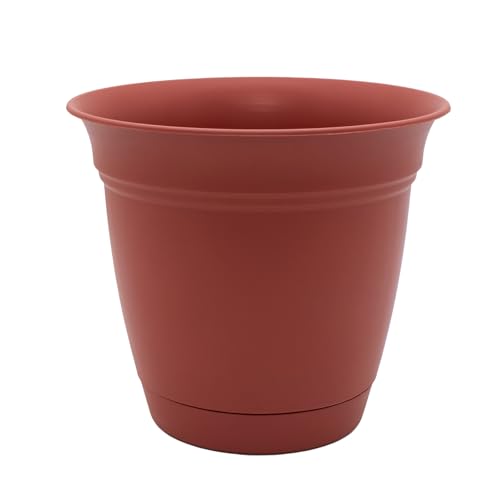
DURABLE & LIGHTWEIGHT: Designed for versatile use, these plastic planters for indoor plants are perfect for cultivating flowers, herbs, and vegetables. Their lightweight design makes them easy to move and handle, whether indoors or outdoors.

✅BUILT FOR SERIOUS GROWERS: When you need serious root space for trees, large shrubs, or high-yield vegetable plants, the 15-gallon nursery pot is the professional's choice. Green Oasis 15-gallon pots are engineered to the same exacting standards used by commercial plant nurseries, delivering exceptional durability, consistent drainage, and long-lasting performance in even the most demanding growing environments.
Best Potting Materials for Quince Trees
Choosing the right potting materials is crucial for successfully growing quince trees in pots, especially in Georgia’s unique climate. The right mix not only supports healthy root development but also ensures proper drainage and moisture retention. This section outlines the best materials to use for optimal growth and vitality of your quince trees.
Different materials affect soil temperature and moisture retention. Consider these options:
Terracotta: Good for drainage but dries out quickly.
Plastic: Retains moisture well but may heat up in direct sunlight.
Wood: Offers insulation but can rot if not treated.
Ideal Soil Mix for Quince Trees
Selecting the right soil mix is crucial for successfully growing quince trees in pots, especially in Georgia’s unique climate. A well-balanced blend will provide the necessary drainage and nutrients to support healthy growth. Understanding the specific soil requirements can significantly enhance the vitality and fruit production of your quince trees.
A well-draining soil mix is essential for quince trees. Use a combination of the following:
Potting soil: Provides nutrients.
Perlite: Improves drainage.
Compost: Adds organic matter.
Aim for a mix that is light and airy to promote healthy root development.
| Component | Ratio | Purpose |
|---|---|---|
| Potting soil | 50% | Nutrient source |
| Perlite | 30% | Enhances drainage |
| Compost | 20% | Organic matter addition |
Recommended Products

INDOOR GROWING: Growing indoors is easy under the right conditions; Miracle-Gro Houseplant Potting Mix is an indoor plant potting soil that combines key elements container plants need to thrive

Package Includes: You will get 4 quarts of coarse perlite, these are evenly sized and perfect for adding to potting soil for potted plants or as pavement for succulents to keep your plants looking nice and clean, it is essential for precise cactus mixes or carnivorous plant soils as it pulls water away efficiently

Hand Blended Money Tree Soil- Hand blended soil perfect for growing money tree plants, Great for repotting or planting money trees.
Quince Tree Watering Strategies
Proper watering is crucial for the health and productivity of quince trees grown in pots, especially in Georgia’s varying climate. Understanding the specific needs of these trees will help ensure they thrive in container conditions. This section outlines effective watering strategies tailored to optimize growth and fruiting for quince trees in pots.
Proper watering is critical for quince trees. Overwatering can cause root rot, while underwatering can stress the plant.
Monitor soil moisture levels regularly. Water when the top inch of soil feels dry.
Watering Indicators for Quince Trees
Understanding the watering needs of quince trees is crucial for their successful growth, especially when cultivating them in pots. This section outlines key indicators that signal when your quince trees require water, helping you maintain optimal moisture levels and promote healthy development in Georgia’s unique climate.
Be aware of these indicators:
Overwatering: Yellowing leaves, mushy roots.
Underwatering: Wilting leaves, dry soil.
Optimal Fertilizer Timing for Quince Trees
Timing is crucial when it comes to fertilizing quince trees, especially in Georgia’s unique climate. Understanding when to apply nutrients can significantly enhance growth and fruit production. This section outlines the best practices for fertilization to ensure your potted quince trees thrive throughout the growing season.
Regular fertilization supports healthy growth and fruiting. Use a balanced fertilizer formulated for fruit trees. Apply during the growing season, typically from spring to late summer.
Fertilizer Recommendations for Quince Trees
Proper fertilization is crucial for the health and productivity of quince trees, especially when grown in pots. In Georgia’s unique climate, selecting the right type and timing of fertilizer can significantly enhance growth and fruit quality. This section provides expert-tested recommendations tailored to ensure your potted quince trees thrive.
Consider these options for effective feeding:
Granular: Slow-release for consistent nutrition.
Liquid: Quick absorption for immediate impact.
Pruning Techniques for Quince Tree Vitality
Pruning is essential for maintaining the health and productivity of quince trees, especially when grown in pots. Proper techniques can enhance growth, improve fruit quality, and ensure the tree remains manageable in size. This section explores expert-tested pruning methods tailored for quince trees thriving in Georgia’s unique climate.
Pruning is essential for maintaining the shape and health of your quince tree. Focus on removing dead or crossing branches. This encourages better air circulation and light penetration.
Pruning Timing for Quince Trees
Pruning quince trees is essential for promoting healthy growth and maximizing fruit production. In Georgia’s unique climate, understanding the optimal timing for pruning can make a significant difference in the tree’s overall performance. This section provides expert-tested insights on when and how to effectively prune quince trees grown in pots.
Timing: Prune in late winter before new growth begins.
Tools: Use sharp, clean shears to avoid damaging the tree.
Quince Tree Pest and Disease Control
Maintaining healthy quince trees in pots requires vigilance against pests and diseases that can threaten their growth. Understanding the common challenges specific to Georgia’s climate can help you implement effective control measures. This section provides expert-tested strategies to protect your quince trees and ensure they thrive in your garden.
Monitor for pests such as aphids and spider mites. Use organic insecticidal soap if infestations occur. Fungal diseases can also affect quince trees, so ensure good air circulation and avoid overhead watering.
Recommended Products

READY-TO-USE CONTACT SPRAY: No mixing required. Thoroughly spray insecticide on all plant parts, including the underside of leaves. Pests must be sprayed directly to achieve control
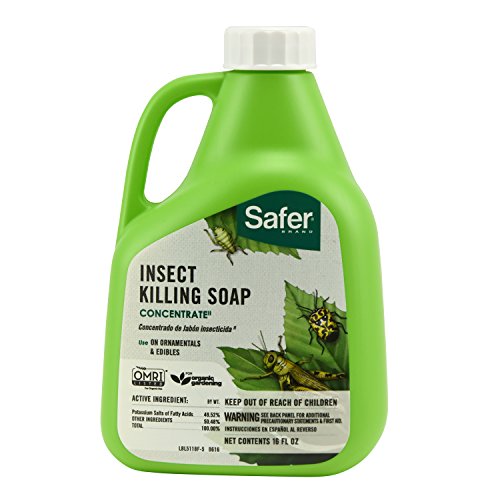
GENTLE ON MOST PLANTS - This aphid spray is ideal for use on flowers, herbs, vegetables, houseplants, lawn, tree, shrubs, and more

Control diseases and insects in your garden with Captain Jack’s Fruit Tree Spray Concentrate! Use on a variety of listed fruits, nuts and citrus plants.
Quince Tree Pests and Treatment Options
Quince trees, while rewarding to grow in pots, can face various pest challenges that threaten their health and fruit production. Understanding the common pests that affect quince trees and exploring effective treatment options is essential for maintaining vibrant and productive plants. This section delves into the specific pests to watch for and the best practices for managing them.
| Pest | Symptoms | Treatment |
|---|---|---|
| Aphids | Curling leaves | Organic insecticidal soap |
| Spider mites | Webbing on leaves | Neem oil |
Winter Protection Strategies for Potted Quince
Protecting potted quince trees during the winter months is crucial for their survival and health, especially in Georgia’s variable climate. Implementing effective winter protection strategies can help ensure that these delicate trees thrive despite cold temperatures and harsh weather conditions. The following tips will guide you in safeguarding your quince trees throughout the winter season.
Adjust care routines based on seasonal changes. In winter, protect pots from freezing temperatures by moving them to a sheltered location or wrapping them in insulating materials.
Indoor Quince Tree Winter Care
Caring for indoor quince trees during the winter months is crucial for their health and productivity. In Georgia’s unique climate, understanding the specific needs of these trees can make all the difference. This section provides expert-tested tips to ensure your potted quince trees thrive indoors throughout the colder season.
Move indoors: If possible, bring pots inside during extreme cold.
Mulch: Add a layer of mulch to insulate roots.
Assessing Quince Tree Growth and Care
Understanding how to assess the growth and care of quince trees is essential for successful cultivation, especially in a pot. This section will provide expert-tested insights into the specific needs of quince trees, including optimal conditions and maintenance practices tailored for Georgia’s climate. By following these guidelines, you can ensure your potted quince trees thrive and produce abundant fruit.
Regularly assess your quince tree’s growth and health. Adjust watering, fertilization, and pruning as needed. Keeping a gardening journal can help track changes and improvements.
Quince Tree Care Best Practices
Caring for quince trees in pots requires attention to specific practices that ensure healthy growth and fruit production. In Georgia’s unique climate, understanding the best techniques for watering, fertilizing, and pruning can significantly enhance your success. This section outlines essential care strategies to help you cultivate thriving quince trees in containers.
Neglecting any aspect of care can lead to poor growth or fruit production. Stay vigilant to ensure optimal health for your quince tree.
