

Selecting fruit trees for Boise, ID requires careful consideration of the high desert climate and cold-hardiness. Choosing the right varieties ensures successful growth and fruitful harvests despite the challenging conditions.
Boise Climate Insights for Fruit Tree Success
Understanding Boise’s unique climate is essential for successfully growing fruit trees in this high desert region. With its cold winters and hot summers, selecting the right varieties and employing specific techniques can significantly enhance your chances of a fruitful harvest. This section delves into the climatic factors that influence fruit tree growth in Boise, providing valuable insights for local gardeners.
Boise experiences a high desert climate with cold winters and hot summers. This climate presents unique challenges for fruit tree cultivation. Understanding temperature ranges, frost dates, and soil conditions is crucial for selecting appropriate varieties.
Average winter temperatures can drop below 20°F.
Summer temperatures often exceed 90°F.
Soil tends to be well-draining but may require amendments for optimal growth.
Top Cold-Hardy Fruit Varieties for Boise
Boise’s unique high desert climate presents both challenges and opportunities for fruit tree cultivation. Selecting cold-hardy varieties is essential for successful growth and fruit production in this region. The following section highlights the best fruit tree options that thrive in Boise’s conditions, ensuring a fruitful harvest even in the colder months.
Selecting cold-hardy varieties is essential for successful fruit production in Boise. Here are some of the best options:
| Fruit Tree | Cold Hardiness Zone | Average Yield | Best Planting Time |
|---|---|---|---|
| Apple | 3-8 | 20-30 lbs | Spring or Fall |
| Pear | 4-9 | 30-50 lbs | Spring |
| Cherry | 4-8 | 15-25 lbs | Spring |
| Plum | 4-9 | 20-30 lbs | Spring |
These trees thrive in Boise’s conditions and can withstand harsh winters. Apples and pears are particularly versatile and productive.
Soil Testing for Boise Fruit Trees
Understanding the soil composition in Boise is crucial for successful fruit tree cultivation in this high desert climate. Soil testing provides essential insights into nutrient levels, pH balance, and organic matter content, enabling gardeners to make informed decisions about amendments and care. This knowledge is key to fostering healthy, productive fruit trees that can thrive in challenging conditions.
Proper soil preparation enhances fruit tree growth and health. Testing soil pH and nutrient levels is the first step. Most fruit trees prefer slightly acidic to neutral soil (pH 6.0 to 7.0).
Amend soil with organic matter to improve drainage and fertility.
Consider adding compost or well-rotted manure to enrich the soil.
Ensure proper drainage to prevent root rot.
Planting Tools for High Desert Fruit Trees
When planting fruit trees in Boise’s high desert climate, having the right tools can make all the difference. This section highlights essential planting tools that will help ensure your trees thrive in the unique conditions of the region, from soil preparation to watering techniques. Equip yourself with the right gear to maximize your success in growing cold-hardy fruit trees.
Having the right tools simplifies the planting process. Gather the following items before starting:
| Tool | Purpose |
|---|---|
| Shovel | Digging holes |
| Trowel | Planting small trees |
| Rake | Leveling soil |
| Watering Can | Providing moisture |
Using these tools ensures a smooth planting experience and promotes healthy root establishment.
High Desert Watering Strategies for Fruit Trees
In the high desert climate of Boise, effective watering strategies are crucial for the health and productivity of fruit trees. With limited rainfall and temperature fluctuations, understanding how to manage water efficiently can significantly impact tree growth and fruit yield. This section explores tailored approaches to ensure your fruit trees thrive in these challenging conditions.
Watering is critical in Boise’s dry climate. Newly planted trees require consistent moisture to establish roots.
Water deeply once a week during the growing season.
Use mulch around the base to retain moisture and regulate soil temperature.
Monitor soil moisture levels to prevent over-watering.
Recommended Products

Set Includes: our tree water irrigation ring package with 2 pieces of tree watering rings, 2 plastic valves, and 1 Y Hose splitter, providing ample quantity for your garden watering needs. You can also share these flower tree water sprinkler ring with fellow gardening enthusiasts

【INNOVATIVE 2-IN-1 TREE CLEANING & ROOT WATERING SYSTEM】 This unique 6.5FT spray pipe system is specially designed to spray water directly onto fruits, leaves, and delicate ornamental trees, helping remove dust, pollen, and surface residue. The falling water then naturally soaks into the soil, providing efficient root irrigation at the same time
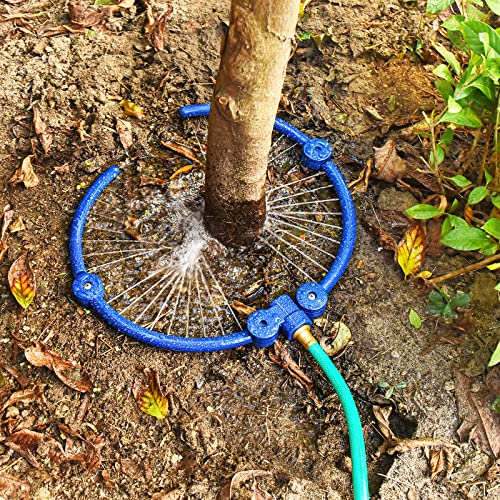
【Specially Designed for Trees and Shrubs】 The Watering Ring is a multi-purpose irrigation ring that attaches to a garden hose to efficiently water young trees shrubs vegetables or flower beds using drip or trickle irrigation.It directs water to the root perimeter of the plant to give them a good start during the first two growing seasons or through periods of drought.
Identifying Water Stress in Fruit Trees
Understanding how to identify water stress in fruit trees is crucial for maintaining their health and productivity, especially in the high desert climate of Boise, ID. This section will explore the signs of water stress, helping you recognize when your trees need attention to thrive in challenging conditions. Proper management can make a significant difference in fruit yield and tree vitality.
Recognizing signs of water stress helps maintain tree health. Look for these indicators:
Wilting leaves
Leaf drop
Stunted growth
Addressing these symptoms promptly ensures trees remain healthy and productive.
Pest Control Strategies for Boise Fruit Trees
Managing pests is crucial for the health and productivity of fruit trees in Boise’s unique high desert climate. This section explores effective pest control strategies tailored to the region, ensuring that your trees thrive despite the challenges posed by local insects and diseases. Implementing these techniques will help safeguard your fruit harvest and maintain tree vitality.
Managing pests is vital for protecting fruit trees from damage. Common pests in Boise include aphids, spider mites, and fruit flies.
Implement integrated pest management strategies.
Use insecticidal soap or neem oil for organic control.
Regularly inspect trees for early signs of infestation.
Recommended Products
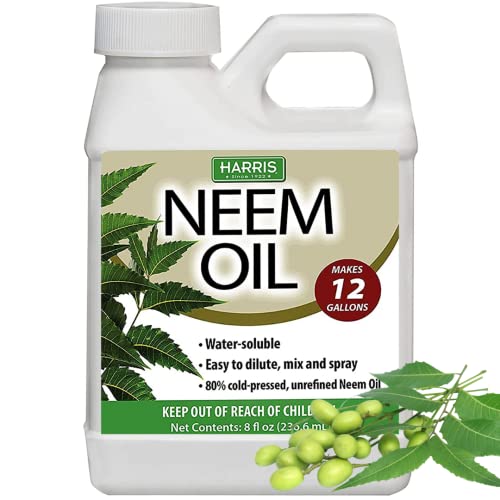
Cold-Pressed Neem Oil is a potent natural solution, ideal for maintaining healthy plants
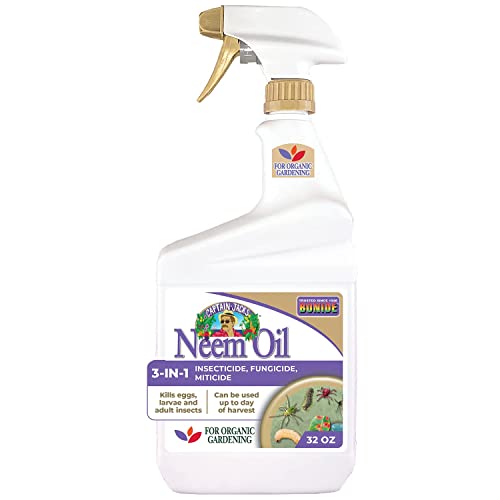
MULTI-PURPOSE BUG KILLER - Bonide Neem Oil is a perfect pest control solution for any garden dealing with mites, flies, mildew, and more. This product is a three-in-one fungicide, miticide, and insecticide.

Protect your oasis with 3 garden products in 1 from Captain Jack’s; Captain Jack’s Ready-to-Use Neem Oil spray for plants is a multi-purpose fungicide, insecticide and miticide for your lawn and garden
Pest Management Timeline for Fruit Trees
Managing pests effectively is crucial for the health and productivity of fruit trees in Boise’s high desert climate. Understanding the timing of pest activity can help you implement targeted strategies throughout the growing season. This timeline outlines key periods for monitoring and controlling common pests that affect fruit trees in the region.
Creating a pest control schedule can help maintain tree health. Consider the following:
| Season | Recommended Action |
|---|---|
| Spring | Inspect for aphids and apply treatments |
| Summer | Monitor for spider mites and use organic sprays |
| Fall | Clean up fallen fruit to prevent fruit flies |
Following this schedule minimizes pest populations and promotes healthy fruit production.
Fertilizer Guidelines for Boise Fruit Trees
Fertilizing fruit trees in Boise requires a tailored approach due to the region’s unique high desert climate. Understanding the specific nutrient needs of various fruit trees can enhance growth and yield, ensuring they thrive despite the cold winters and variable soil conditions. This section outlines essential fertilizer guidelines to help local gardeners cultivate healthy, productive trees.
Fertilizing fruit trees supports healthy growth and fruit production. Use a balanced fertilizer with equal parts nitrogen, phosphorus, and potassium.
Apply fertilizer in early spring before new growth begins.
Follow package instructions for application rates.
Avoid over-fertilizing, which can lead to excessive leaf growth at the expense of fruit.
Organic Fertilizers for High Desert Fruit Trees
In the high desert climate of Boise, ID, selecting the right organic fertilizers is crucial for nurturing fruit trees. These fertilizers not only enhance soil health but also support the unique growth needs of cold-hardy varieties. Understanding the best options can lead to a thriving orchard that withstands the region’s challenging conditions.
Consider these organic options for fertilizing fruit trees:
| Organic Fertilizer | Nutrient Content |
|---|---|
| Bone Meal | High in phosphorus |
| Fish Emulsion | Balanced nutrients |
| Compost | Provides a range of nutrients |
These organic fertilizers enhance soil health and promote sustainable growth.
Boise Fruit Tree Care Techniques
Caring for fruit trees in Boise’s high desert climate requires specific techniques to ensure healthy growth and fruitful yields. Understanding the unique challenges posed by cold winters and hot summers is essential for successful cultivation. This section outlines effective care practices tailored to the region’s conditions, helping you nurture your fruit trees throughout the seasons.
Selecting the right varieties and employing proper care techniques ensures successful fruit production in Boise. Monitor trees regularly for health and growth. Implementing these practices will lead to bountiful harvests year after year.
