

Using lime sulfur on banana trees effectively combats pests and diseases while promoting healthy growth. This treatment serves as a powerful fungicide and insecticide, making it essential for homeowners seeking to maintain robust banana plants.
Lime Sulfur Advantages for Banana Tree Health
Lime sulfur is a mixture of calcium hydroxide and sulfur, creating a potent solution for plant health. It effectively manages fungal infections and pests like aphids and spider mites. Homeowners often choose this treatment for its organic nature and minimal environmental impact.
Benefits of Lime Sulfur for Banana Trees
Lime sulfur offers numerous advantages for banana trees, enhancing their growth and health. This organic solution effectively combats pests and diseases while promoting vibrant foliage and fruit production. Understanding these benefits can help homeowners make informed decisions for maintaining their banana plants and achieving a thriving garden.
Applying lime sulfur offers several benefits to banana trees, including:
Fungal disease control: Prevents diseases like black sigatoka and anthracnose.
Insect management: Deters pests that threaten banana tree health.
Soil enhancement: Improves soil quality by adding essential nutrients.
Organic certification: Suitable for organic gardening practices.
Lime Sulfur Application Safety Guidelines
Applying lime sulfur to banana trees can be an effective way to manage pests and diseases, but safety should always be a priority. Understanding the proper safety guidelines ensures that homeowners can protect themselves, their plants, and the environment while effectively using this treatment. The following guidelines will help you navigate the safe application of lime sulfur.
Before applying lime sulfur, proper preparation and safety are crucial. Homeowners should wear gloves, goggles, and a mask to avoid skin irritation and respiratory issues. Select a day with mild temperatures and no rain forecast to ensure effective application.
Lime Sulfur Treatment Supply List
To effectively treat banana trees with lime sulfur, homeowners need to gather specific supplies that ensure optimal results. This section outlines the essential items required for the application process, helping you prepare adequately for the task ahead. By having the right tools and materials on hand, you can promote the health and vitality of your banana plants.
Gather the following supplies before starting the treatment:
| Supply Item | Purpose |
|---|---|
| Lime sulfur solution | Primary treatment |
| Spray applicator | For even application |
| Water | To dilute the solution if needed |
| Protective gear | Safety during application |
Lime Sulfur Application Techniques for Banana Trees
Applying lime sulfur to banana trees can significantly enhance their health and productivity. Understanding the proper techniques for application is crucial for homeowners looking to protect their plants from pests and diseases while promoting vigorous growth. This section outlines effective methods to ensure optimal results when using lime sulfur on your banana trees.
Applying lime sulfur requires careful execution to maximize its benefits. Follow these steps for effective treatment:
Mix the solution: Combine lime sulfur with water according to the manufacturer’s instructions.
Prepare the area: Clear the base of the banana trees from debris and weeds.
Test a small area: Apply to a small section of the tree to check for any adverse reactions.
Spray the trees: Evenly coat the leaves and stems, focusing on the undersides where pests often hide.
Repeat as necessary: Reapply every 10-14 days, especially after rainfall.
Recommended Products

EFFECTIVE FUNGICIDE PROTECTION: Helps control common plant diseases with a sulfur fungicide formula. Ideal for preventing powdery mildew and other fungal issues on flowers and garden plants.

🌱 𝐄𝐍𝐇𝐀𝐍𝐂𝐄𝐒 𝐑𝐎𝐎𝐓 𝐆𝐑𝐎𝐖𝐓𝐇: Our Plant Superfood Spray contains Vitamin B-1, which is essential for stimulating root development and reducing transplant shock. This makes it ideal for all indoor and outdoor plants, including container plants, ensuring a strong foundation for healthy growth.
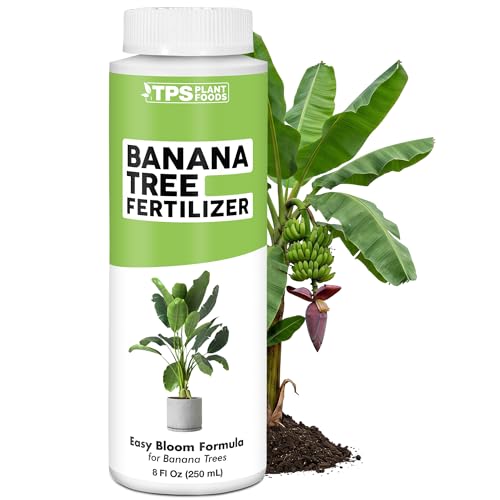
Made for Banana Trees – Specially formulated banana fertilizer designed to support the nutrient needs of banana plants.
Lime Sulfur Application Timing Guidelines
Understanding the optimal timing for applying lime sulfur to banana trees is crucial for maximizing their health and productivity. This section outlines key guidelines to help homeowners effectively schedule treatments, ensuring that their banana trees receive the necessary care at the right moments throughout the growing season. Proper timing can significantly enhance pest control and disease prevention efforts.
Avoid applying lime sulfur during flowering to prevent harming beneficial pollinators.
Lime Sulfur Application Challenges
Applying lime sulfur to banana trees can present several challenges that homeowners need to navigate for effective results. From timing and environmental conditions to potential plant sensitivity, understanding these obstacles is crucial for successful application. This section delves into common difficulties and offers practical solutions to ensure the health and productivity of your banana trees.
Homeowners may encounter challenges when using lime sulfur. Identifying and addressing these issues promptly ensures the health of banana trees.
Banana Tree Care Troubleshooting Guide
Caring for banana trees can present unique challenges, from pest infestations to nutrient deficiencies. This troubleshooting guide offers practical solutions to common issues faced by homeowners, ensuring your banana trees thrive and produce healthy fruit. With targeted advice, you can effectively address any problems that arise in your banana garden.
| Symptom | Primary Suspect | Difficulty (1-5) |
|---|---|---|
| Yellowing leaves | Nutrient deficiency | 2 |
| Leaf spots | Fungal infection | 3 |
| Pest infestation | Inadequate application | 4 |
| Poor growth | Environmental stress | 5 |
Alternative Care Options for Banana Trees
When caring for banana trees, homeowners often seek alternatives to traditional methods. Exploring various care options can enhance growth and resilience while addressing common issues. This section delves into effective alternatives that can complement or replace conventional practices, ensuring your banana trees thrive in a home garden setting.
While lime sulfur is effective, other treatments may also benefit banana trees. Consider these alternatives for a comprehensive approach:
Neem oil: A natural insecticide that repels pests while promoting plant health.
Baking soda: A home remedy for fungal infections when mixed with water.
Companion planting: Using plants like marigolds to deter pests naturally.
Practical Logistics for Lime Sulfur Use
Understanding the practical logistics of using lime sulfur on banana trees is crucial for effective application and optimal results. This section outlines essential considerations, including timing, dilution ratios, and safety measures to ensure homeowners can confidently manage their banana trees while maximizing the benefits of this powerful treatment.
Understanding the timing and frequency of lime sulfur application is essential. Apply during the dormant season or early spring before new growth begins. Monitor weather conditions to avoid applying before heavy rains, which can wash away the treatment.
Lime Sulfur Benefits for Banana Tree Care
Lime sulfur is an effective treatment for banana trees, offering a range of benefits that enhance their health and productivity. This natural solution helps control pests and diseases while promoting vigorous growth. Understanding its advantages can empower homeowners to cultivate thriving banana plants in their gardens.
Lime sulfur is a reliable and effective solution for maintaining banana trees. Its dual action against pests and diseases makes it an essential tool for any homeowner. Regular monitoring and application can lead to a thriving banana garden.
