

Growing avocado trees in Kansas City, MO is feasible with the right techniques and care. Select cold-hardy varieties and implement protective measures to ensure successful growth in this region’s climate.
Cold-Hardy Avocado Varieties for Kansas City
In Kansas City, where winters can be harsh, selecting the right avocado varieties is crucial for successful cultivation. This section highlights cold-hardy avocado types that can withstand the region’s climate, ensuring that local gardeners can enjoy homegrown avocados despite the challenges posed by colder temperatures. Understanding these varieties will help you make informed choices for your avocado-growing endeavors.
Choosing the correct avocado variety is crucial for success in Kansas City’s climate. The region experiences cold winters, making it essential to select cold-hardy varieties that can withstand lower temperatures. Recommended varieties include:
Mexicola: Tolerates temperatures down to 20°F. Produces small, flavorful fruit.
Bacon: Hardy to 25°F. Offers medium-sized fruit with a smooth texture.
Fuerte: Can survive temperatures around 30°F. Known for its creamy taste and high oil content.
| Variety | Cold Tolerance | Fruit Size | Flavor Profile |
|---|---|---|---|
| Mexicola | 20°F | Small | Rich, nutty |
| Bacon | 25°F | Medium | Smooth, mild |
| Fuerte | 30°F | Medium | Creamy, rich |
Recommended Products

RESTRICTIONS - If you live in Arizona and order this tree, your order will be canceled.

Low Maintenance: This cold-hardy avocado tree is easy to care for, making it perfect for both beginners and experienced gardeners. Ideal for yards or patios, it produces creamy avocados annually with minimal upkeep.

More than 50 years of research has gone into developing cherry trees with cold hardiness, dwarf stature and good fruit quality.
Optimal Site Preparation for Avocado Growth
Preparing the right site is crucial for successfully growing avocado trees in Kansas City, MO. Understanding the local climate and soil conditions will help ensure that your trees thrive. This section outlines essential steps for optimal site preparation, setting the foundation for healthy avocado growth in your garden.
Preparation is key to successful avocado growth. Select a location that receives full sun and has well-draining soil. Follow these steps to prepare your site:
Clear the Area: Remove weeds, rocks, and debris.
Test Soil pH: Aim for a pH between 6 and
Amend the soil with lime or sulfur if necessary.
Amend Soil: Mix in organic matter like compost to improve drainage and nutrient content.
Recommended Products

Kindly NOTE: This soil tester can not be applied to test pH value of any other liquid. If the soil is too dry the indicator will not move, and water it before testing.

✅ 1Dial & 1 LCD Screen - Replace/install all 3 batteries each time. Put button to %RH/°F to - Turn On, and put to LIGHT to - Turn Off. Read the LCD results in 3-5 mins. (Not Water Moisture Meter, so, please don't test liquid)

Accurate Soil pH Testing: Dewildetradingco Soil pH Test Strips offer measurements of soil pH levels (pH 3.5-9). As an essential tool for every gardener and grower, these test strips help determine the optimal pH for various plants, such as outdoor plants, indoor plants, gardens, grass lawns, fruit trees, flowers, vegetables, and forest shrubs.
Enhancing Soil Drainage for Avocados
Proper soil drainage is crucial for the successful growth of avocado trees, especially in regions like Kansas City, MO, where heavy rainfall can lead to waterlogged conditions. This section explores effective strategies to enhance soil drainage, ensuring that your avocado trees thrive in a well-aerated environment that supports healthy root development.
Avocado trees are sensitive to waterlogged roots. Implement strategies to enhance drainage:
Raised Beds: Construct raised beds to elevate the root zone.
Mulching: Apply a 2-3 inch layer of mulch around the base to retain moisture while preventing root rot.
Drainage Ditches: If the area is prone to flooding, consider creating drainage ditches to redirect excess water.
Optimal Planting Techniques for Avocados
Successfully growing avocado trees in Kansas City requires understanding the unique climate and soil conditions of the region. This section outlines the optimal planting techniques to ensure healthy growth and fruit production, focusing on factors such as soil preparation, planting depth, and spacing to maximize your avocado tree’s potential in this specific environment.
Planting avocado trees requires careful attention to detail. Follow these steps for optimal results:
Dig a Hole: Create a hole that is twice the width and depth of the root ball.
Position the Tree: Place the tree in the center of the hole, ensuring the graft union is above soil level.
Backfill: Fill the hole with soil, gently tamping down to eliminate air pockets.
Water Thoroughly: Water the newly planted tree to settle the soil.
Assessing Avocado Growth Factors
Understanding the specific growth factors for avocado trees is crucial for successful cultivation in Kansas City. This section delves into the essential elements such as climate, soil type, and local pests that influence avocado growth, providing practical insights for gardeners in the region. By assessing these factors, you can create an optimal environment for your avocado trees to thrive.
After planting, monitor the tree’s growth conditions closely. Key factors include:
Watering Schedule: Water deeply once a week, adjusting frequency based on rainfall.
Fertilization: Use a balanced fertilizer every 6-8 weeks during the growing season.
Pest Control: Regularly inspect for pests like aphids and spider mites. Use insecticidal soap if necessary.
Cold Protection Strategies for Avocado Trees
Avocado trees can thrive in Kansas City, but the region’s cold winters pose significant challenges. Understanding effective cold protection strategies is essential for ensuring the health and productivity of these trees. This section outlines practical methods to shield your avocado trees from harsh temperatures and frost, helping them flourish in a less-than-ideal climate.
Kansas City winters can be harsh, so protecting avocado trees from cold is essential. Implement these protective measures:
Frost Cloth: Cover trees with frost cloth during cold snaps.
Windbreaks: Plant shrubs or install fences to shield trees from harsh winds.
Container Growing: Consider growing in containers to move trees indoors during extreme cold.
Recommended Products

The Large plant cover is perfect for Plant size 55''-70"high and 84''-94" round, Heavy-weight FRCs (1.77oz./sq. yard): usually used to extend the growing season in spring and fall, allow 40%-60% light transmittance, and recommend 3°-8°F of freeze protection
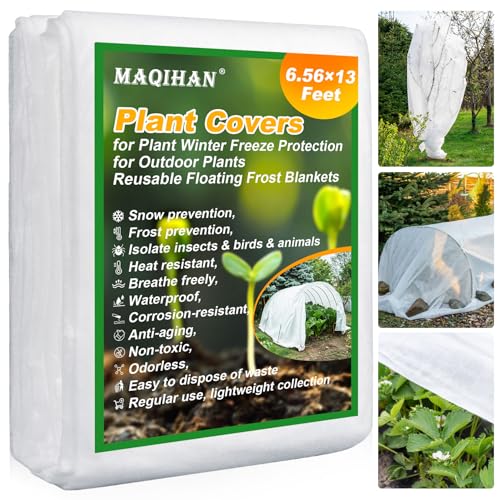
Product Features: Our plant covers are ideal for protecting all plant. Made from premium 1 oz/sq non-woven fabric, their durability and breathability ensuring both insulation against frost and facilitation of sunlight penetration for healthy plant growth

Revolutionary Anti-freeze Protection: Plant covers freeze protection is made of 100% Reliable non-woven thickened polypropylene fabric Because the frost cloth fabric Thickness is 3.2 oz/yd² thicker and warmer, tear resistant than less expensive 1.3 oz/yd² fabric. Provides up to 2° F(-17℃) frost protection. In winter, frost blankets for outdoor plants can form a insulation layer for plants to isolate cold air and retain the oxygen required for plant respiration
Frost Protection Strategies for Avocado Trees
In Kansas City, where winter temperatures can dip significantly, protecting avocado trees from frost is crucial for their survival and productivity. Implementing effective frost protection strategies can help ensure these trees thrive despite the region’s challenging climate. This section outlines practical methods to safeguard your avocado trees during the colder months.
Failure to protect avocado trees from frost can result in severe damage or death.
Avocado Harvesting Techniques for Flavor
Harvesting avocados at the right time is crucial for maximizing their flavor and quality, especially in Kansas City’s unique climate. Understanding the best techniques for picking and handling these fruits can significantly enhance your avocado experience, ensuring that you enjoy the rich, creamy texture and buttery taste that makes them so popular. This section will explore effective methods for harvesting avocados to achieve optimal flavor.
Once your avocado trees bear fruit, proper harvesting techniques will ensure the best flavor. Follow these guidelines:
Timing: Harvest avocados when they change color and feel slightly soft.
Cutting: Use pruning shears to cut the fruit from the branch, leaving a small stem attached.
Ripening: Allow harvested fruit to ripen at room temperature before consuming.
| Harvesting Tips | Best Practices |
|---|---|
| Check Color | Look for a color change indicating ripeness |
| Feel for Softness | Gently squeeze to assess ripeness |
| Store Properly | Keep at room temperature until ripe |
Implement these strategies to successfully grow avocado trees in Kansas City, MO. With the right variety selection and care, you can enjoy homegrown avocados even in a challenging climate.
