

Spraying dormant oil on grapefruit trees is essential for managing pests and diseases during the winter months. The optimal time to apply this treatment is late winter, just before the trees begin to bud. This timing ensures that the oil effectively suffocates overwintering pests without harming the tree’s health.
Dormant Oil Application Benefits for Grapefruit Trees
Dormant oil is a refined petroleum product that helps control various pests and diseases on grapefruit trees. It works by suffocating insects and their eggs that may be hiding in the bark or foliage. Applying dormant oil at the right time can prevent infestations and promote healthier growth as the season progresses.
Key benefits include:
Pest control: Targets aphids, spider mites, and scale insects.
Disease prevention: Reduces the risk of fungal infections.
Tree health: Supports overall vitality during the growing season.
Optimal Dormant Oil Timing for Grapefruit Trees
Timing is crucial for effective dormant oil application. Late winter is the best period, typically between late February and early March, depending on your climate zone. This timing aligns with the trees’ dormancy phase, allowing for effective pest control without harming new growth.
Consider the following factors when determining the exact timing:
Local climate: Monitor temperature fluctuations.
Tree condition: Assess any visible pest activity.
Weather conditions: Apply on a calm, dry day to prevent drift.
Optimal Temperature Range for Dormant Oil
Understanding the optimal temperature range for applying dormant oil is crucial for effectively protecting grapefruit trees. This section will delve into the specific temperature conditions that enhance the efficacy of dormant oil treatments, ensuring that your trees receive the best possible care during their dormant phase. Proper timing can significantly impact pest management and overall tree health.
The ideal temperature for applying dormant oil is between 40°F and 70°F. Applying oil during colder temperatures can lead to ineffective results, while higher temperatures could harm the tree.
| Temperature Range | Application Effectiveness |
|---|---|
| Below 40°F | Ineffective |
| 40°F – 70°F | Optimal |
| Above 70°F | Risk of harm |
Dormant Oil Application Preparation Steps
Preparing to apply dormant oil to grapefruit trees involves several essential steps to ensure effectiveness and safety. Timing is crucial, as the oil should be applied during the tree’s dormant season, typically in late winter or early spring. Proper preparation not only maximizes pest control but also supports the overall health of the tree.
Preparation is key to a successful dormant oil application. Gather necessary supplies and ensure the tree is ready for treatment.
Required supplies include:
Dormant oil: Choose a high-quality product.
Spray equipment: Use a garden sprayer or hose-end sprayer.
Protective gear: Wear gloves and a mask for safety.
Recommended Products

USE YEAR ROUND - Our 3-in-1 product provides year-round protection against insects, mites, and diseases. Can be used at the dormant stage, green tip stage, delayed dormant stage, and during the growing season to prevent pest infestations and disease.
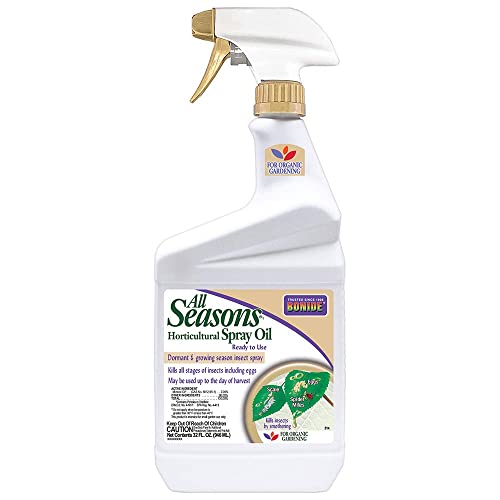
Control insects and diseases in your home garden with All Seasons Horticultural and Dormant Spray Oil Concentrate; use year-round to control listed insects and diseases
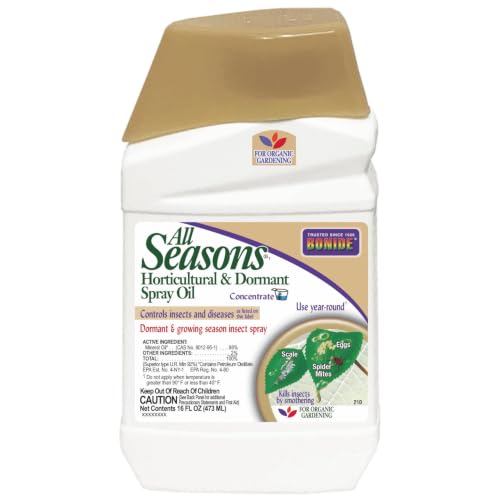
Control insects & diseases in your home garden with All Seasons Horticultural & Dormant Spray Oil Concentrate; use year-round to control listed insects and diseases
Dormant Oil Application Techniques
Applying dormant oil to grapefruit trees is a crucial step in pest management and overall tree health. Understanding the right techniques for application can significantly enhance the effectiveness of this treatment. This section will explore various methods to ensure optimal coverage and absorption of dormant oil, helping you protect your trees during their dormant season.
Follow these steps to ensure effective application of dormant oil on grapefruit trees:
Inspect the tree: Look for signs of pests or disease.
Mix the oil: Dilute the dormant oil according to package instructions.
Spray the tree: Apply the mixture thoroughly, covering all branches and the trunk.
Monitor conditions: Check the weather forecast to avoid rain shortly after application.
Dormant Oil Aftercare for Grapefruit Trees
After applying dormant oil to grapefruit trees, proper aftercare is essential to ensure the treatment is effective and the trees remain healthy. This section outlines key practices to follow post-application, including monitoring for pests, assessing tree health, and timing for subsequent care. Understanding these steps can help maximize the benefits of dormant oil and promote vigorous growth.
After applying dormant oil, monitor the trees for any adverse reactions. Proper care will help ensure the trees remain healthy.
Key post-application care tips include:
Watering: Ensure the tree receives adequate moisture.
Fertilizing: Apply a balanced fertilizer in early spring.
Pest monitoring: Regularly check for any returning pests.
Indicators of Effective Dormant Oil Application
Understanding the indicators of effective dormant oil application is crucial for maintaining healthy grapefruit trees. Proper timing and conditions can significantly enhance the benefits of dormant oil, helping to control pests and diseases while promoting overall tree vitality. This section outlines key signs to look for to ensure optimal results when applying dormant oil.
Look for these indicators to confirm the effectiveness of your dormant oil treatment:
Reduced pest activity: Fewer visible insects on the tree.
Healthy new growth: Vigorous leaf and branch development.
No signs of disease: Absence of fungal infections or discoloration.
Common Mistakes to Avoid
When applying dormant oil to grapefruit trees, timing and technique are crucial for effective pest control and tree health. Understanding common mistakes can help ensure that your application is successful and beneficial. This section highlights frequent errors gardeners make, providing insights to enhance your dormant oil strategy.
Avoiding common pitfalls can enhance the effectiveness of your dormant oil application.
Key mistakes include:
Applying too early: Risk of ineffective treatment.
Ignoring weather conditions: Rain can wash away the oil.
Inadequate coverage: Ensure all areas of the tree are treated.
Dormant Oil Application Timing
Timing is crucial when applying dormant oil to grapefruit trees to ensure effective pest control while minimizing harm to the tree. Understanding the seasonal patterns and specific growth stages of your trees will help you determine the optimal moments for application. This section will guide you through the best practices for timing your dormant oil treatments.
Do not apply dormant oil during the blooming phase as it can harm beneficial pollinators.
Timing for Dormant Oil Application
Applying dormant oil to grapefruit trees is crucial for protecting them from pests and diseases during their dormant phase. Understanding the optimal timing for this application can significantly enhance tree health and fruit production. This section outlines the best practices for scheduling dormant oil treatments to ensure maximum effectiveness.
Applying dormant oil at the right time and following proper procedures will help maintain the health of grapefruit trees. Regular monitoring and care will ensure a fruitful growing season.
