

Fig trees can thrive in Tennessee’s Mountain Valley, particularly with the right care and selection. Choosing the appropriate variety and understanding local conditions are crucial for successful cultivation.
Tennessee Fig Tree Variety Selection Guide
Selecting the right fig tree variety is crucial for successful cultivation in Tennessee’s unique climate. This guide provides insights into the best fig varieties suited for the region, focusing on their adaptability, taste, and growth characteristics. By understanding these options, gardeners can enhance their chances of thriving fig production in the mountain valley.
Choosing the right fig tree variety is essential for success in Tennessee’s unique climate. Some varieties are more resilient to cold temperatures and can adapt better to local soil conditions. Popular options include:
Celeste: Known for its sweet flavor and cold hardiness.
Brown Turkey: Versatile and produces large fruits.
Chicago Hardy: Tolerates colder climates and produces abundant figs.
Understanding the characteristics of these varieties can help you make an informed decision for your garden.
Soil Preparation Techniques for Fig Trees
Preparing the right soil is crucial for cultivating healthy fig trees in Tennessee’s mountain valley. Understanding the unique soil conditions and employing effective preparation techniques can significantly enhance growth and fruit production. This section explores essential methods to ensure your fig trees thrive in this specific environment.
Soil preparation is a critical step in fig tree cultivation. Fig trees prefer well-drained soil with a pH between 6.0 and 6.8. Follow these steps to prepare your soil:
Test Soil pH: Use a soil test kit to determine pH levels.
Amend as Needed: Add lime to raise pH or sulfur to lower it.
Improve Drainage: Incorporate organic matter like compost to enhance soil structure.
Proper soil preparation will provide a strong foundation for your fig trees.
Tennessee Fig Tree Varieties Data Table
Tennessee’s unique climate and soil conditions have led to the cultivation of several fig tree varieties that thrive in the region. The following data table provides a comprehensive overview of these varieties, detailing their specific characteristics, growth habits, and suitability for different areas within the state, making it a valuable resource for local gardeners and horticulturists.
| Variety | Cold Hardiness | Fruit Size | Flavor Profile | Growth Habit |
|---|---|---|---|---|
| Celeste | Zone 6 | Small | Very sweet | Compact |
| Brown Turkey | Zone 6 | Medium | Sweet | Spreading |
| Chicago Hardy | Zone 5 | Large | Sweet with berry notes | Upright |
Fig Tree Planting Guidelines for Tennessee
When planting fig trees in Tennessee’s mountain valleys, understanding the local climate and soil conditions is essential for successful growth. This section provides practical guidelines tailored to the region, ensuring that both novice and experienced gardeners can cultivate healthy fig trees that thrive in the unique environment of Tennessee.
Planting fig trees correctly ensures healthy growth. The best time to plant is in the spring after the last frost. Follow these guidelines for optimal planting:
Spacing: Space trees 10 to 15 feet apart to allow for growth.
Depth: Dig a hole twice as wide as the root ball and the same depth.
Watering: Water thoroughly after planting to settle the soil.
These techniques will help establish a strong root system.
Recommended Products
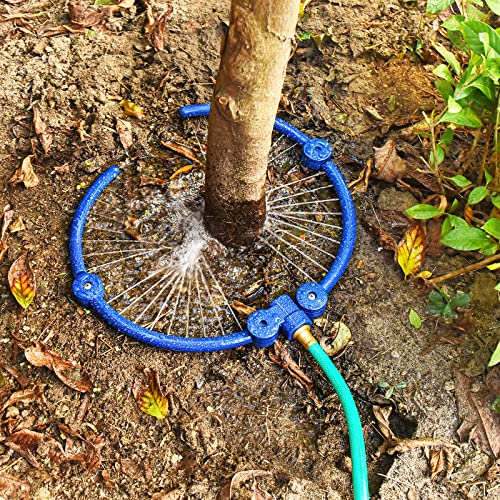
【Specially Designed for Trees and Shrubs】 The Watering Ring is a multi-purpose irrigation ring that attaches to a garden hose to efficiently water young trees shrubs vegetables or flower beds using drip or trickle irrigation.It directs water to the root perimeter of the plant to give them a good start during the first two growing seasons or through periods of drought.

NO MORE HARD INSTALLATION - SET UP IN MINUTES. Tired of struggling with stiff barbed fittings? This drip irrigation system features quick-connect fittings that let you push, lock, and secure tubing effortlessly. No tools, no leaks, just a smooth setup experience. Enjoy a frustration-free installation and get your garden watering system running in minutes.

PRESSURE-COMPENSATING EMITTER: Maintains a constant 2 GPH flow rate even when the water pressure changes
Fig Tree Watering Guidelines
Proper watering is essential for the success of fig trees in Tennessee’s unique mountain valley climate. Understanding the specific needs of these trees can help ensure healthy growth and abundant fruit production. The following guidelines provide detailed insights into effective watering practices tailored for fig trees in this region.
Water management is vital for fig tree health. While fig trees are drought-tolerant, they require consistent moisture during the growing season. Consider these tips:
Mulch: Apply a 2 to 4-inch layer of mulch to retain soil moisture.
Irrigation: Use drip irrigation to provide consistent moisture without overwatering.
Monitor: Check soil moisture regularly, especially in dry spells.
Proper water management will promote healthy growth and fruit production.
Fertilization Techniques for Fig Trees
Fertilizing fig trees is crucial for their growth and fruit production, especially in Tennessee’s unique mountain valley climate. Understanding the right techniques and timing can significantly enhance the health and yield of these trees. This section explores effective fertilization methods tailored to the specific needs of fig trees in this region.
Fertilization supports vigorous growth and fruiting in fig trees. A balanced fertilizer can be applied in early spring. Follow these steps for effective fertilization:
Choose Fertilizer: Select a balanced fertilizer with equal parts nitrogen, phosphorus, and potassium.
Application Rate: Apply according to package instructions based on tree age.
Timing: Fertilize in early spring before new growth begins.
Regular fertilization will enhance fruit yield and tree vitality.
Pests and Diseases Affecting Fig Trees
Fig trees in Tennessee can thrive in the mountain valley’s unique climate, but they are not immune to various pests and diseases. Understanding the specific threats these trees face is crucial for maintaining their health and productivity. This section delves into the common pests and diseases that affect fig trees in the region, offering insights for effective management.
Being aware of potential pests and diseases can help maintain fig tree health. Common issues include:
Fig Beetles: Can damage fruits; use insecticidal soap for control.
Root Rot: Caused by overwatering; ensure proper drainage.
Leaf Spot: Fungal disease; apply fungicide if necessary.
Monitoring for these issues will help prevent significant damage.
Optimal Fig Harvesting Timing in Tennessee
Understanding the optimal timing for fig harvesting in Tennessee is crucial for maximizing yield and flavor. The region’s unique climate and growing conditions influence when figs reach their peak ripeness, making it essential for growers to monitor specific indicators. This section will delve into the best practices for determining the right moment to harvest figs in the Mountain Valley.
Harvesting figs at the correct time ensures the best flavor and texture. Figs should be picked when they are fully ripe, indicated by:
Color Change: The fruit changes color based on the variety.
Softness: Ripe figs will feel slightly soft to the touch.
Ease of Picking: Figs should come off the stem easily.
Proper harvesting techniques will enhance your overall yield.
Essential Practices for Fig Tree Cultivation
Successful fig tree cultivation in Tennessee’s mountain valleys requires careful attention to specific practices that enhance growth and fruit production. Understanding the unique climate and soil conditions of the region is crucial for nurturing these trees. This section outlines essential techniques that can help gardeners maximize their fig harvest while ensuring the health of their plants.
Success in growing fig trees in Tennessee’s Mountain Valley requires attention to detail. Regular monitoring of soil, water, and pest conditions will lead to fruitful trees.
Ensure you select the right variety and follow best practices for soil preparation, planting, and care.
