

Growing apricot trees in Nevada requires careful attention to irrigation and climate adaptation. The desert environment presents challenges, but with the right strategies, successful cultivation is achievable.
Best Apricot Varieties for Nevada’s Climate
Choosing the right apricot tree variety is crucial for success in Nevada’s arid climate. Certain varieties are better suited for desert conditions, offering resilience against heat and drought. Look for low-chill varieties that can thrive with minimal winter chilling hours.
Popular varieties include:
Katy: Early-bearing and drought-tolerant.
Tilton: Known for its sweet fruit and adaptability.
Blenheim: Offers high-quality fruit with good disease resistance.
Selecting the appropriate variety ensures better fruit yield and tree health.
Irrigation Strategies for Desert Apricot Cultivation
Irrigating apricot trees in Nevada’s arid climate requires careful planning and execution to ensure healthy growth and fruit production. Effective irrigation strategies are essential for overcoming the challenges posed by limited water resources and high temperatures, making it crucial for growers to adopt methods that maximize efficiency and sustainability in their cultivation practices.
Effective irrigation is vital for growing apricot trees in a desert environment. The hot, dry climate can stress trees, leading to poor fruit production. Implementing efficient irrigation methods can help maintain soil moisture and tree vitality.
Consider these irrigation techniques:
Drip irrigation: Delivers water directly to the root zone, reducing evaporation.
Soaker hoses: Provide a slow, steady water supply to the soil.
Mulching: Helps retain soil moisture and regulate temperature.
Recommended Products
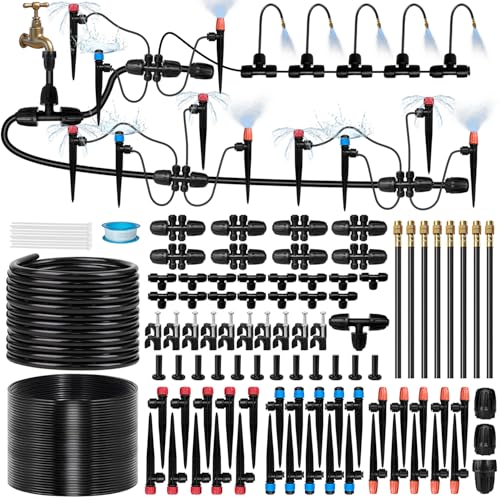
【Upgraded Tube Design & Water Saving】 Our garden watering system is upgraded to 1/2” diameter to support high water pressure. The 1/2” tee connector allows seamless splitting into 2 independent zones for customized watering schedules. By delivering moisture directly to root zones, this drip Irrigation system significantly reduces evaporation and runoff—saving more water compared to conventional sprinklers while eliminating the need for manual watering.

NO MORE HARD INSTALLATION - SET UP IN MINUTES. Tired of struggling with stiff barbed fittings? This drip irrigation system features quick-connect fittings that let you push, lock, and secure tubing effortlessly. No tools, no leaks, just a smooth setup experience. Enjoy a frustration-free installation and get your garden watering system running in minutes.

Be a Gardening Master with the help of our superior and complete Drip Irrigation Kit: 50ft flexible & durable PVC 5/16" Irrigation Tubing + 50ft 1/4" Drip Distribution Tubing + 2 x Female Thread Water Connectors for 5/16" Mainline + 20 Barbed Drip Emitters Stream + 10 Barbed Drip Emitters Vortex + 4 x 1-Way, 6 x 2-Way and 2 x 4-Way Barbed Splitters from 5/16" to 1/4" + 5 x 1/4" Tubing Tee Splitters + 2 x 5/16" Mainline End Plugs + 5 x 1/4" Distribution Tubing End Plugs
Irrigation Timing for Apricot Trees
Irrigation timing is crucial for the successful growth of apricot trees in Nevada’s arid climate. Understanding the specific water needs during different growth stages can significantly enhance fruit quality and yield. This section delves into optimal irrigation practices tailored to the unique challenges presented by desert conditions.
Creating a consistent irrigation schedule is important. Adjust the frequency based on seasonal changes and tree age.
| Tree Age | Water Frequency | Amount per Session |
|---|---|---|
| Young (1-3 years) | Twice a week | 5-10 gallons |
| Mature (4+ years) | Once a week | 10-20 gallons |
This table serves as a guideline to ensure trees receive adequate moisture throughout their growth stages.
Soil Testing and Drainage for Apricot Trees
Understanding soil testing and drainage is crucial for successfully growing apricot trees in Nevada’s arid climate. Proper assessment ensures that the soil conditions meet the trees’ needs, promoting healthy growth and fruit production. Effective drainage management also prevents waterlogging, which can be detrimental to the delicate root systems of apricot trees.
Proper soil preparation is essential for healthy apricot trees. The soil should be well-draining to prevent root rot and promote healthy growth. Conduct a soil test to determine pH and nutrient levels.
Follow these soil preparation steps:
Amend soil: Incorporate organic matter such as compost to improve drainage and fertility.
Adjust pH: Aim for a pH between 6.0 and 7.0 for optimal nutrient uptake.
Tilling: Loosen the soil to enhance root penetration and aeration.
Recommended Products

Kindly NOTE: This soil tester can not be applied to test pH value of any other liquid. If the soil is too dry the indicator will not move, and water it before testing.

Accurate Soil pH Testing: Dewildetradingco Soil pH Test Strips offer measurements of soil pH levels (pH 3.5-9). As an essential tool for every gardener and grower, these test strips help determine the optimal pH for various plants, such as outdoor plants, indoor plants, gardens, grass lawns, fruit trees, flowers, vegetables, and forest shrubs.

KNOW BEFORE YOU GROW | Grow the healthiest, sustainable lawn and garden with the most accurate and easy to use professional soil test kit on the market
Effective Soil Moisture Management Strategies
Effective soil moisture management is crucial for successfully growing apricot trees in Nevada’s arid climate. Understanding the unique challenges posed by desert conditions can help optimize irrigation practices and enhance tree health. This section explores practical strategies for maintaining adequate soil moisture to support robust apricot tree growth.
Monitoring soil moisture helps prevent over or under-watering. Use these techniques to maintain optimal conditions:
Soil moisture sensors: Provide real-time data on soil moisture levels.
Hand test: Check soil moisture by digging a small hole and feeling the soil.
Apricot Tree Pest and Disease Control Strategies
Effective pest and disease management is crucial for successfully growing apricot trees in Nevada’s challenging desert environment. Understanding the common threats to apricot trees and implementing targeted control strategies can help ensure healthy growth and a bountiful harvest. This section outlines practical approaches to protect your trees from pests and diseases while adapting to the unique conditions of the region.
Maintaining the health of apricot trees involves proactive pest and disease management. The dry climate can limit some pests, but others may still pose a threat. Regular monitoring and preventive measures are key.
Common pests include:
Aphids: Can weaken trees by sucking sap.
Spider mites: Thrive in dry conditions and can cause leaf damage.
Implement these management strategies:
Regular inspections: Check for signs of pests or disease.
Natural predators: Introduce beneficial insects like ladybugs to control aphid populations.
Organic pesticides: Use as a last resort to minimize chemical exposure.
Recommended Products

READY-TO-USE CONTACT SPRAY: No mixing required. Thoroughly spray insecticide on all plant parts, including the underside of leaves. Pests must be sprayed directly to achieve control

CROP, GARDEN & HOUSEPLANT INSECT CONTROL. Trifecta Crop Control all-natural, plant-based formula effectively combats destructive spider mites, aphids, whiteflies, fungus gnats, and other soft-bodied pests on indoor and outdoor plants. Our biodegradable, eco-friendly solution is safe for use on edible crops, without chemical residues. Our gentle yet potent plant spray suffocates and dehydrates pests without harming beneficial insects or the environment, making it ideal for organic gardening.
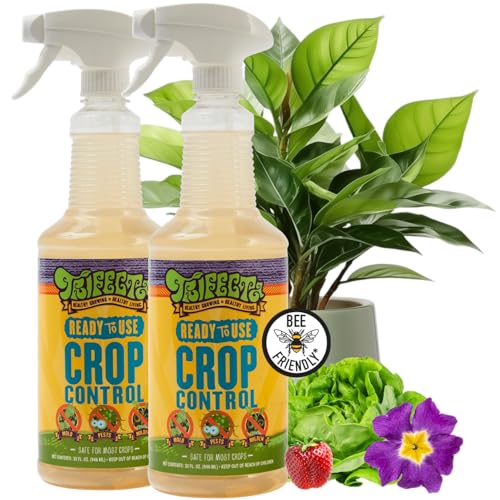
CROP, GARDEN & HOUSEPLANT INSECT CONTROL. Trifecta Crop Control plant based formula targets spider mites, aphids, whiteflies, fungus gnats and other soft bodied pests on indoor and outdoor plants. Safe for edible crops and biodegradable.
Identifying Apricot Tree Stress Indicators
Recognizing the signs of stress in apricot trees is crucial for successful cultivation in Nevada’s challenging desert environment. Understanding these indicators allows growers to take timely action, ensuring the trees receive the necessary care and resources to thrive. This section highlights key stress indicators to watch for, enabling better management and healthier fruit production.
Identifying stress signs early can prevent severe damage. Watch for:
Wilting leaves
Stunted growth
Discoloration of foliage
Immediate action can help revive stressed trees and maintain productivity.
Optimal Harvest Timing for Apricot Flavor
Timing is crucial for harvesting apricots in Nevada, as the right moment can significantly enhance their flavor and sweetness. Understanding the optimal harvest period not only ensures better taste but also maximizes the fruit’s quality and shelf life. This section will explore the indicators and best practices for determining when to pick apricots for the finest results.
Timing your harvest is crucial for enjoying the best flavor from your apricots. Harvesting too early or late can affect taste and texture.
Follow these guidelines for optimal harvesting:
Check color: Look for a rich, golden hue.
Feel firmness: Ripe apricots should yield slightly to pressure.
Taste test: Sample fruit for sweetness before full harvest.
Post-Harvest Apricot Quality Preservation
After harvesting apricots in Nevada’s challenging climate, preserving their quality becomes crucial for maintaining flavor and texture. Understanding the best practices for post-harvest handling can significantly enhance the fruit’s marketability and shelf life. This section delves into effective methods for ensuring that apricots remain fresh and appealing after picking.
Proper handling after harvest preserves fruit quality.
Cool quickly: Store apricots in a cool, shaded area.
Avoid bruising: Handle with care to prevent damage.
Refrigerate: Store in the fridge for longer shelf life.
This attention to detail ensures that your apricots remain delicious and marketable.
Irrigation and Care for Apricot Trees
Effective irrigation and care are crucial for successfully growing apricot trees in Nevada’s arid climate. Understanding the specific water needs and maintenance practices can help ensure healthy growth and fruitful yields. This section delves into the best irrigation techniques and care strategies tailored for apricot cultivation in desert conditions.
Growing apricot trees in Nevada requires commitment to irrigation, soil preparation, and pest management. Understanding the specific needs of your trees will lead to a fruitful harvest. Regular monitoring and adjustments will ensure continued success in this challenging environment.
