

Selecting the best fruit trees for Oregon involves understanding the unique climate and soil conditions of the Pacific Northwest. Varieties such as apple, pear, and cherry thrive in this region, offering both beauty and delicious yields. Choosing the right tree will ensure a productive and rewarding gardening experience.
Ideal Fruit Trees for Oregon’s Climate
Oregon’s diverse climate allows for a variety of fruit trees to flourish. The key is to choose species that are well-suited to the local conditions. Here are some of the top contenders that provide both aesthetic appeal and fruitful harvests.
| Fruit Tree | Best Varieties | Harvest Time | Chill Hours Required |
|---|---|---|---|
| Apple | Fuji, Honeycrisp | Late Summer to Fall | 500-1,000 |
| Pear | Bartlett, Bosc | Late Summer to Fall | 600-1,000 |
| Cherry | Bing, Rainier | Late Spring to Early Summer | 700-1,000 |
| Plum | Santa Rosa, Shiro | Late Summer | 500-1,000 |
Recommended Products

🍑 Delicious Homegrown Fruit: Produces sweet, juicy apricots perfect for fresh eating, baking, and preserves

Versatile Fruit Use: The plums produced can be eaten fresh as a snack and are well-suited for home kitchen projects like creating preserves, jams, and baked goods.

Oregon Climate and Fruit Tree Compatibility
Oregon features a range of climates from coastal to inland, affecting the types of fruit trees that can be successfully grown. The western part of the state experiences mild, wet winters and warm, dry summers. This climate is ideal for many temperate fruit trees.
Conversely, eastern Oregon has a more continental climate with colder winters and hotter summers. This variation means that gardeners must select trees that can withstand specific temperature ranges and moisture levels.
Oregon Apple Tree Varieties for Gardens
Oregon’s diverse climate and fertile soil make it an ideal location for growing a variety of apple trees. From crisp, sweet varieties to tart options perfect for pies, selecting the right apple tree can enhance any garden. This section explores the best apple tree varieties suited for Oregon’s unique growing conditions, ensuring a fruitful harvest for home gardeners.
Apple trees are among the most popular choices for Oregon gardens. They adapt well to the state’s climate and offer a wide range of varieties.
Fuji: Known for its crisp texture and sweet flavor, this variety thrives in well-drained soil.
Honeycrisp: This tree produces large, juicy apples that are perfect for fresh eating and baking.
Gravenstein: A heritage variety that excels in Oregon’s climate, known for its tartness and excellent cooking qualities.
Choosing Pear Trees for Oregon Gardens
Selecting the right pear trees for Oregon gardens can significantly enhance your landscape and yield delicious fruit. With the state’s unique climate and soil conditions, it’s essential to choose varieties that thrive in the Pacific Northwest. This section will guide you through the best options for successful pear cultivation in Oregon.
Pear trees are another excellent choice for Oregon. They require similar conditions to apples and can produce abundant fruit with proper care.
Bartlett: This classic variety is favored for its sweet, juicy fruit and is great for canning.
Bosc: Known for its distinctive shape and flavor, Bosc pears are excellent for baking and fresh consumption.
Anjou: This variety is versatile, with a smooth texture and sweet flavor, making it a favorite for many gardeners.
Cherry Tree Cultivation Advantages in Oregon
Cherry trees thrive in Oregon’s climate, offering both aesthetic beauty and delicious fruit. Their adaptability to various soil types and resistance to common pests make them an ideal choice for local gardeners. With the right care, these trees can yield abundant harvests, contributing to the region’s agricultural richness and enhancing any landscape.
Cherry trees add beauty to any garden while providing delicious fruit. They require a bit more care but are well worth the effort.
Bing: A popular sweet cherry variety that is excellent for fresh eating.
Rainier: Known for its sweet flavor and beautiful yellow-red color, this variety is a favorite among cherry lovers.
Sour Cherry: Ideal for pies and preserves, sour cherries thrive in Oregon’s climate.
Successful Cultivation Tips for Oregon Fruit Trees
Growing fruit trees in Oregon can be a rewarding endeavor, but success requires understanding the unique climate and soil conditions of the Pacific Northwest. This section offers practical tips tailored to help you cultivate a thriving orchard, ensuring your trees flourish and produce abundant, delicious fruit year after year.
To ensure the success of your fruit trees, consider the following tips:
Soil Preparation: Test soil pH and amend as necessary. Most fruit trees prefer slightly acidic to neutral soil.
Watering: Establish a consistent watering schedule, especially during dry spells. Drip irrigation is ideal for deep watering.
Pruning: Regularly prune trees to promote healthy growth and fruit production. Focus on removing dead or crowded branches.
Pests and Diseases Affecting Oregon Fruit Trees
Oregon’s unique climate and soil conditions create a vibrant environment for fruit trees, but they also attract various pests and diseases. Understanding these challenges is crucial for maintaining healthy trees and ensuring a fruitful harvest. This section explores the common threats to fruit trees in Oregon and offers insights on effective management strategies.
Oregon’s climate can attract various pests and diseases that may affect your fruit trees. Common issues include:
Aphids: These small insects can weaken trees by sucking sap. Use insecticidal soap for control.
Coddling Moth: This pest affects apples and pears. Use traps and organic pesticides to manage infestations.
Powdery Mildew: A fungal disease that can affect many fruit trees. Ensure good air circulation and apply fungicides as needed.
Recommended Products

READY-TO-USE CONTACT SPRAY: No mixing required. Thoroughly spray insecticide on all plant parts, including the underside of leaves. Pests must be sprayed directly to achieve control

PEST DEFENSE - Insecticidal Super Soap controls species of adelgid, ant, aphid, borer, caterpillar, spider mite, cricket, chinch bug, weevil, fly, thrip, & more.
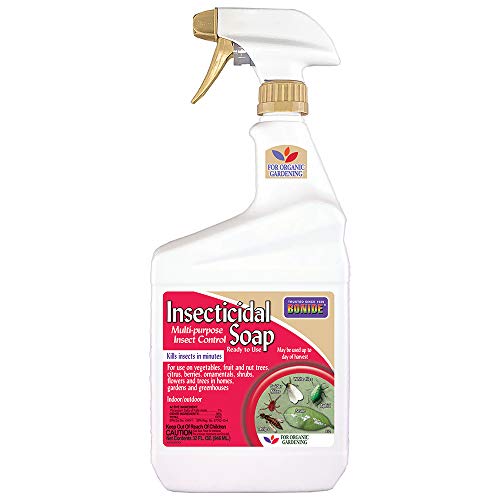
Captain Jack's Insecticidal Super Soap controls species of adelgid, ant, aphid, borer, caterpillar, spider mite, cricket, chinch bug, weevil, fly, thrip, and more
Oregon Fruit Tree Selection Insights
Selecting the right fruit trees for Oregon’s diverse climate can significantly impact your gardening success. Understanding the specific varieties that thrive in the Pacific Northwest will help you cultivate a fruitful garden. This section delves into essential insights for choosing the best fruit trees suited to Oregon’s unique conditions.
Selecting the right fruit trees for Oregon is crucial for a fruitful garden. Each variety has specific requirements and benefits. Understanding these factors will help you create a thriving orchard.
Choose wisely and invest time in care for the best results.
