

Apple trees can thrive in San Francisco, CA, despite the region’s fog and unique soil conditions. Proper selection of varieties and soil amendments can significantly enhance growth and fruit production.
San Francisco Climate Impacts on Apple Trees
San Francisco’s unique climate, characterized by cool fog and variable temperatures, plays a crucial role in the growth of apple trees. Understanding how these environmental factors influence soil conditions and tree health is essential for successful cultivation in this coastal city. This section explores the specific climate impacts that affect apple tree growth in San Francisco.
San Francisco’s climate is characterized by cool, foggy summers and mild winters. These conditions can be both beneficial and challenging for growing apple trees.
The fog can provide moisture, but the cooler temperatures may delay fruit ripening. Selecting the right apple tree varieties is essential for successful cultivation in this environment.
Recommended Products

Grow Your Own Famous Honey Crisp Apples - Cultivate the world's most popular apple variety right in your backyard! Experience the perfect sweet-tart crunch and explosive juiciness that made Honey Crisp apples a global sensation - fresh from your own tree.
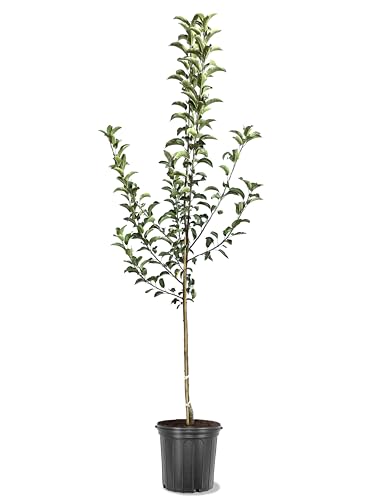
Live Fruit-Bearing Apple Tree – Grow your own Haralson apples, a cold-hardy variety known for its tart, crisp texture and exceptional storage life, perfect for fresh eating, baking, and cider-making

🍎 3 Live Apple Tree Saplings: Receive three healthy young apple tree saplings ready to plant and grow in your garden, backyard orchard, or container. Plants ship dormant (not leaves or fruit) in spring.
Best Apple Varieties for San Francisco’s Climate
San Francisco’s unique climate, characterized by cool fog and varied soil types, presents both challenges and opportunities for apple cultivation. Selecting the right apple varieties is crucial for successful growth in this environment. Here are some of the best apple varieties suited for San Francisco’s distinct conditions.
Choosing the right apple varieties can make a significant difference in your success. Some varieties are better suited for cooler climates and can handle the fog. Consider these options:
Gravenstein: Early-season apple known for its tart flavor.
Fuji: Sweet and crisp, adapts well to varied climates.
Honeycrisp: Popular for its juicy texture and flavor, performs well in cooler areas.
These varieties are more likely to produce quality fruit in San Francisco’s unique climate.
Soil Tips for San Francisco Apple Trees
Growing apple trees in San Francisco presents unique challenges, particularly due to the region’s foggy climate and varied soil conditions. Understanding the specific soil requirements is crucial for successful cultivation, as the right foundation can significantly impact tree health and fruit production. Here are essential tips to ensure your apple trees thrive in this distinctive environment.
Soil quality plays a crucial role in the health of apple trees. San Francisco’s soil can vary, but it often contains clay and sand, which may not provide the ideal drainage. Here are some soil tips:
pH Level: Aim for a pH between 6.0 and 7.0. Test your soil to determine its acidity.
Organic Matter: Incorporate compost to improve soil structure and nutrient content.
Drainage: Ensure good drainage by mixing in sand or perlite, especially if your soil is heavy.
A well-prepared soil will support healthy root development and fruit production.
Fog Impact on Apple Tree Growth
San Francisco’s unique climate, characterized by its cool fog, plays a significant role in the growth of apple trees. Understanding how this natural phenomenon affects temperature, moisture, and sunlight availability is crucial for successful cultivation. This section explores the implications of fog on apple tree health and productivity in the region.
Fog can create a microclimate that affects apple tree growth. While it provides moisture, it can also lead to fungal diseases. Here are strategies to mitigate these effects:
Pruning: Regularly prune trees to improve air circulation and reduce disease risk.
Mulching: Use organic mulch to retain soil moisture while preventing fungal growth.
Fungicide Treatments: Consider applying fungicides during high-humidity periods to protect against diseases.
These practices will help maintain healthy trees and improve fruit yield.
San Francisco Apple Tree Care Techniques
Caring for apple trees in San Francisco requires an understanding of the unique climate and soil conditions of the area. The city’s foggy weather and diverse soil types present both challenges and opportunities for successful apple cultivation. This section explores effective techniques to ensure healthy growth and fruitful harvests in this distinctive environment.
Proper fertilization and watering are essential for apple tree health. San Francisco’s climate requires specific approaches to ensure trees receive adequate nutrients and moisture. Follow these guidelines:
Fertilization Schedule: Apply a balanced fertilizer in early spring and again in late summer.
Watering: Water deeply but infrequently to encourage deep root growth. Aim for 1-2 inches of water per week, adjusting for rainfall.
Monitoring: Regularly check soil moisture levels to avoid overwatering or underwatering.
Implementing these strategies will support robust growth and fruiting.
Apple Tree Pests and Diseases in San Francisco
San Francisco’s unique climate and soil conditions can influence the health of apple trees, making them susceptible to various pests and diseases. Understanding these challenges is crucial for successful cultivation in the region. This section explores common threats to apple trees in San Francisco and offers insights on how to manage them effectively.
Pests and diseases can pose significant challenges for apple trees. Familiarizing yourself with common issues in San Francisco will help you take proactive measures. Here are some to watch for:
| Pest/Disease | Description | Treatment |
|---|---|---|
| Codling Moth | Larvae burrow into apples | Use pheromone traps and insecticides |
| Powdery Mildew | White fungal growth on leaves | Apply fungicides and improve air circulation |
| Aphids | Small insects that suck sap | Use insecticidal soap or neem oil |
Monitoring for these issues will help maintain tree health and fruit quality.
San Francisco Apple Tree Care Insights
San Francisco’s unique climate and soil conditions present both challenges and opportunities for growing apple trees. Understanding the local environment, including fog patterns and soil composition, is crucial for successful cultivation. This section offers valuable insights into the specific care and maintenance practices that can help apple trees thrive in this urban setting.
Caring for apple trees in San Francisco involves understanding local conditions and logistics. Here are some practical tips:
Planting Time: Late winter to early spring is ideal for planting.
Spacing: Space trees adequately to allow for air circulation and sunlight.
Harvesting: Monitor fruit ripeness closely, as fog can delay maturity.
These logistical considerations will enhance your apple-growing experience.
Successful Apple Cultivation Strategies in San Francisco
Growing apple trees in San Francisco presents unique challenges due to the city’s distinct foggy climate and soil conditions. However, with the right cultivation strategies, it is possible to thrive in this environment. This section explores effective techniques to ensure successful apple production in urban settings like San Francisco.
Growing apple trees in San Francisco is feasible with the right approach. Focus on selecting appropriate varieties, preparing soil, and managing environmental challenges. Implementing these strategies will lead to successful apple cultivation.
