

Growing fig trees in Arkansas requires understanding the regional soil conditions to ensure optimal growth. Proper soil preparation and selection are crucial for successful cultivation in this area. This guide outlines essential practices and considerations for growing fig trees effectively.
Arkansas Soil Types for Fig Tree Growth
Arkansas features diverse soil types, including clay, sandy, and loamy soils. Each type has unique properties affecting fig tree growth. Clay soils retain moisture but can become compacted, while sandy soils drain quickly but may lack nutrients. Loamy soils are ideal due to their balanced texture and nutrient content.
Nutrient Assessment for Fig Tree Soil
Assessing soil nutrients is crucial for successful fig tree cultivation in Arkansas. Understanding the specific nutrient needs of fig trees will help ensure optimal growth and fruit production. This section provides insights into evaluating soil composition and the essential nutrients required for thriving fig trees in the region.
Before planting, conduct a soil test to assess nutrient levels and pH. This step is critical for determining necessary amendments. Follow these steps for effective soil testing:
Collect samples from various locations in your planting area.
Mix samples in a clean container to create a composite sample.
Send the composite sample to a testing lab for analysis.
The results will guide you in adjusting nutrient levels and pH for optimal fig tree growth.
Soil Amendments for Fig Tree Success
Growing fig trees in Arkansas requires an understanding of the local soil conditions to ensure optimal growth and fruit production. Soil amendments play a crucial role in enhancing soil quality, providing the necessary nutrients and improving drainage. This section will explore the best amendments to use for successful fig tree cultivation in the region.
Based on soil test results, amend your soil to improve its quality. Fig trees thrive in well-draining, nutrient-rich soil. Consider these amendments:
Organic matter: Add compost or well-rotted manure to enhance soil structure and fertility.
Lime: If your soil is too acidic, apply lime to raise the pH.
Fertilizers: Use balanced fertilizers to provide essential nutrients.
Incorporate these amendments into the top 12 inches of soil before planting.
Choose the Right Fig Tree Varieties
Selecting the appropriate fig tree varieties is crucial for successful cultivation in Arkansas. The state’s unique climate and soil conditions can significantly influence which types thrive best. Understanding these factors will help you make informed choices that lead to a fruitful harvest.
Selecting the right fig tree variety is essential for success in Arkansas. Some varieties are more adaptable to local conditions. Consider these popular options:
Celeste: Known for its sweet flavor and cold hardiness.
Brown Turkey: A reliable producer with large fruits.
Kadota: Excellent for preserving due to its firm texture.
Research each variety’s growth habits and resistance to local pests and diseases.
Recommended Products


MATURE SIZE & CARE GUIDE: The tree grows 15-20ft tall and thrives in full sun. Suitable for Zones 6-10.

🍇 Sweet, Medium-Sized Figs – Rich flavor with glossy dark purple skin and vibrant interior.
Fig Tree Planting Methods for Arkansas
Growing fig trees in Arkansas requires an understanding of the region’s unique climate and soil conditions. This section explores effective planting methods tailored to the local environment, ensuring that your fig trees thrive and produce abundant fruit. By following these guidelines, you can set the foundation for a successful fig tree garden in Arkansas.
Proper planting techniques ensure healthy fig tree establishment. Follow these steps for effective planting:
Timing: Plant in early spring after the last frost.
Spacing: Space trees at least 10-15 feet apart for adequate airflow.
Depth: Dig a hole twice as wide and as deep as the root ball.
Place the tree in the hole, backfill with soil, and water thoroughly. Mulch around the base to retain moisture and suppress weeds.
Fig Tree Watering Techniques for Arkansas
Fig trees thrive in Arkansas’s climate, but proper watering techniques are essential for their growth and fruit production. Understanding the unique soil conditions and seasonal variations in the region will help you develop an effective watering routine that supports healthy trees and maximizes yield. This section explores the best practices for watering fig trees specifically tailored to Arkansas’s environment.
Consistent watering is crucial for fig trees, especially during the first year. Implement these practices:
Watering schedule: Water deeply once a week during dry spells.
Mulching: Apply a 3-inch layer of mulch to retain moisture.
Pruning: Prune annually to remove dead or crowded branches.
Monitor for pests and diseases, treating promptly to maintain tree health.
Recommended Products
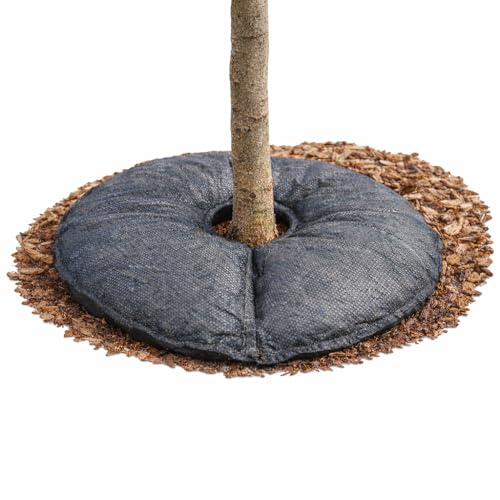
For Plants and Trees that with root balls about 12” in dia., (11-15”, e.g. 3-10 Gallon Container Sizes have top diameters between 11-15”) - Uses 99% LESS WATER than traditional tree bag over the course of multiple seasons for better establishment of the newly planted trees and shrubs! When the plant root ball is larger than 15”, the 36”, 48”, or multiple units of these larger sized SteadySpring Tree Mats are recommended to cover an area double of the root ball size or at least 20” larger than the root ball.

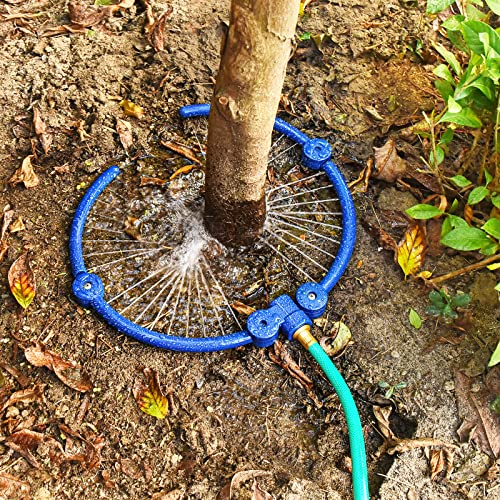
【Specially Designed for Trees and Shrubs】 The Watering Ring is a multi-purpose irrigation ring that attaches to a garden hose to efficiently water young trees shrubs vegetables or flower beds using drip or trickle irrigation.It directs water to the root perimeter of the plant to give them a good start during the first two growing seasons or through periods of drought.
Fig Tree Fertilization Timing in Arkansas
Understanding the optimal timing for fertilizing fig trees is crucial for their growth and fruit production in Arkansas. This section outlines the best practices for fertilization, tailored to the region’s climate and soil conditions, ensuring that your fig trees thrive and yield abundant fruit. Proper timing can make a significant difference in the health and productivity of your trees.
Fertilization supports healthy growth and fruit production. Establish a fertilization schedule based on your soil’s nutrient needs. Follow this guide:
Early spring: Apply a balanced fertilizer as new growth begins.
Mid-summer: Side-dress with compost or organic fertilizer.
Fall: Avoid fertilizing to allow trees to prepare for dormancy.
Regularly check for nutrient deficiencies and adjust your fertilization practices accordingly.
| Soil Type | Characteristics | Amendments Needed |
|---|---|---|
| Clay | Retains moisture, compacted | Organic matter, gypsum |
| Sandy | Drains quickly, low nutrients | Compost, fertilizers |
| Loamy | Balanced texture, nutrient-rich | Minimal amendments |
Fig Harvest Timing and Quality Tips
Understanding the optimal timing for harvesting figs is crucial for ensuring the best flavor and quality. In Arkansas, factors such as local climate and tree variety influence when to pick your figs. This section offers practical tips to help you determine the right moment for harvesting, ensuring your figs are at their peak for enjoyment and culinary use.
Harvesting figs at the right time ensures the best flavor and quality. Monitor your trees for ripeness, which is indicated by soft, slightly drooping fruits. Use these tips for harvesting:
Timing: Harvest in late summer to early fall.
Technique: Gently twist or cut the fruit from the stem.
Storage: Store figs in a cool, dry place or refrigerate for short-term storage.
Figs can also be dried or preserved for longer storage.
Fig Tree Care Practices in Arkansas
Caring for fig trees in Arkansas requires an understanding of the unique climate and soil conditions of the region. Proper attention to watering, fertilization, and pruning can significantly enhance growth and fruit production. This section outlines essential practices tailored to ensure healthy fig trees thrive in Arkansas’s diverse environments.
Regularly monitor your fig trees for growth and health. Adjust your care practices based on seasonal changes and tree performance. This proactive approach ensures productive and healthy fig trees in Arkansas.
Recommended Products

REALISTIC FIDDLE LEAF FIG LOOK – Textured PE leaves in layered green tones combine with a natural-looking PVC branch structure to create an attractive botanical accent without the daily care required by a live plant.

4-Hole Side Design: This high-performance tree watering spike makes it easy to deliver water and fertilizer directly to the root zone. The upgraded side-hole design helps improve watering efficiency, while the sharp tip makes it easy to push into hard or compact soil. The 4 side outlets help reduce clogging and distribute water more evenly for deep root watering and feeding.

PREMIUM FUEL LIQUID FERTILIZER: Wellspring Gardens Fig Fuel Liquid Fertilizer Concentrate provides a balanced blend of essential nutrients and minor elements to support healthy fig tree growth. Its 3-3-3 formula delivers equal parts nitrogen, phosphorus, and potassium, helping maintain strong roots, lush foliage, and productive fruiting.
