

Have you ever planted a young fruit tree only to find it nibbled on by hungry deer? If you’re a gardener or orchard owner, this scenario might feel all too familiar. Deer can be charming to watch, but they can wreak havoc on your budding trees.
In this article, you’ll learn about the likelihood of deer munching on your young fruit trees and how to protect them. Understanding their feeding habits and preferences can save you time, effort, and heartache. By the end, you’ll have practical tips to keep your trees safe and thriving, ensuring you enjoy the fruits of your labor for years to come.
Key Takeaways
- Deer Feeding Preferences: Deer primarily consume young leaves, bark, and tender shoots of young fruit trees, making them particularly vulnerable often during spring and summer.
- Signs of Damage: Look for jagged edges on leaves and stripped bark, as these are indicators of deer browsing, which can stunt the growth of young fruit trees.
- Effective Protection Strategies: Implementing tall fencing (at least 8 feet) can effectively deter deer. Using solid materials and underground extensions further enhances security.
- Repellents and Deterrents: Employ commercial or DIY repellents, as well as natural deterrents like human hair or predator urine, to keep deer away from your saplings.
- Choosing Deer-Resistant Varieties: Opt for fruit trees like persimmons, plums, or quinces, which are less appealing to deer, to minimize the risk of damage.
- Smart Planting Locations: Position young fruit trees near human activity or use clusters of resistant varieties to confuse and deter deer from browsing in your garden.
Understanding Deer Feeding Habits
Deer feeding habits play a crucial role in protecting young fruit trees. Knowing what attracts deer to your garden helps you implement effective strategies for safeguarding your trees.
What Do Deer Typically Eat?
Deer primarily consume various plant materials, including:
- Herbs and Grasses: They enjoy fresh herbs and grass, particularly in spring.
- Leaves: Soft, tender leaves from shrubs and trees attract them.
- Bark: They may strip the bark from young trees, especially during winter.
- Fruits and Nuts: They eat fruits and nuts, seeking out crops like apples and almonds.
Understanding these food sources helps you identify what to protect in your garden.
Specific Preferences of Deer
Deer exhibit specific preferences that can lead to damage in gardens. Consider the following:
- Young Saplings: Deer prefer young, tender tree leaves and shoots, making young fruit trees vulnerable.
- Species Selection: They often choose certain tree species over others. For example, apple, peach, and cherry trees attract deer more than oak or pine.
- Seasonal Variation: Their food choices change seasonally. During winter, when other food sources decrease, deer gravitate toward bark and twigs.
By knowing these preferences, you can tailor your protective measures.
Impact of Deer on Young Fruit Trees
Deer pose significant risks to young fruit trees, impacting growth and overall health. Understanding deer behavior helps you take steps to protect your prized saplings.
Recommended Products

2.6 x 50 FT Deer Fencing: Constructed from tough, high‑density polyethylene (HDPE), it is built to be UV‑resistant, weatherproof, reusable and resistant to rot and rust. This garden fencing won't tear easily even with animal bites, provides a heavy‑duty, long‑lasting barrier that reliably shields your garden from deer, dogs, chicken and other foraging animals for years to come

Package Includes: You will receive 1 pc black 20 x 1.3 ft tree protection plastic fence and 100 pcs 5.9 inch twist ties, this is a whole sheet of plastic mesh that you can cut to suit your needs.

55GSM HDPE Deer Fence Netting: Made of thick 55GSM HDPE plastic mesh with multi-strand woven structure, deer fence for garden built-in UV resistant coating prevents fading & cracking under long-term sunlight; Tangle-free flexible design won’t rip easily, long-lasting barrier for outdoor spaces
Evidence of Browsing Damage
Look for clear signs of deer damage on young trees. Browsing typically leaves jagged edges on leaves and stripped bark, especially on the lower parts of the trunk. Saplings may exhibit stunted growth due to the loss of foliage. Additionally, if many trees show similar damage, deer are likely the culprits. Regularly inspect your trees for these indicators to catch any problems early.
Seasonal Feeding Patterns
Deer feeding behaviors vary throughout the year. During spring and summer, they favor tender leaves and young shoots, making young fruit trees particularly vulnerable. In the fall, their diet shifts to include acorns and other available food sources. However, as winter approaches and food becomes scarce, deer may return to feed on the bark and buds of your trees. Knowing these seasonal patterns allows you to implement protective measures at the right time. Use fencing or repellents, especially when deer are most active, to shield your trees from potential harm.
Protecting Young Fruit Trees from Deer
Protecting your young fruit trees from deer is essential to ensure healthy growth and fruitful yields. Certain strategies effectively deter deer and minimize damage to tender saplings.
Recommended Products

Over 100,000 Repeat Customers - For over 20 years Deer Out is the trusted brand for professional gardeners, landscapers and farmers alike. Works Great!

Over 100,000 Repeat Customers - For over 20 years Deer Out is the trusted brand for professional gardeners, landscapers and farmers alike. Works Great!

STOP GARDEN DESTROYERS INSTANTLY: Tired of frail deer repellent balls that lose scent after one rain? Our upgraded formula uses high-density slow-release technology, providing a strong scent barrier that won't wash away, effectively keeping rabbits and deer from feasting on your precious plants.
Effective Fencing Solutions
Fencing stands as one of the most reliable methods to protect young fruit trees. Here are several options:
- Height: Erect a fence at least 8 feet tall to prevent deer from jumping over. Electric fencing can also be effective for added security.
- Materials: Use sturdy materials like metal or heavy-duty plastic mesh. These materials withstand wear and deter deer effectively.
- Design: Opt for a solid fence rather than a wire mesh. Solid fences obstruct the deer’s view, making them less likely to approach.
- Placement: Install the fence around the trees, ensuring it extends at least 2 feet underground to prevent deer from digging under.
Repellents and Other Deterrents
Repellents can complement physical barriers and add an extra layer of protection. Consider the following options:
- Commercial Repellents: Apply deer repellents available in stores. Look for those that contain bittering agents or strong scents like garlic or pepper.
- DIY Solutions: Create your own repellents using household items. Mix water with dish soap or hot sauce and spray the mixture on the trees. Reapply after rain for maximum effectiveness.
- Natural Deterrents: Use scents that deer dislike, such as human hair, soap, or predator urine. Scatter these around your trees to deter approaching deer.
- Scare Tactics: Incorporate motion-activated devices, reflective materials, or wind chimes to create noise and movement that frighten deer away.
By implementing these strategies, you can significantly reduce the risk of deer damaging your young fruit trees, allowing them to thrive and grow into fruitful producers in your garden.
Selecting Deer-Resistant Fruit Tree Varieties
Choosing the right fruit tree varieties can significantly reduce the likelihood of deer damage. Some trees are naturally less appealing to deer, making them excellent choices for your garden.
Recommended Products

【8-PIECE DUAL-SIZE KIT】: Protect several young trees or combine pieces for taller coverage. Includes 4 larger and 4 smaller spiral tree guards plus 1 pair of cut-resistant gloves. Each guard is approx. 15.7 in tall, with nominal coil diameters of approx. 1.96 in and 1.6 in. Two joined guards provide up to approx. 31.4 in of combined length before overlap; measure the trunk and review the size image before ordering.
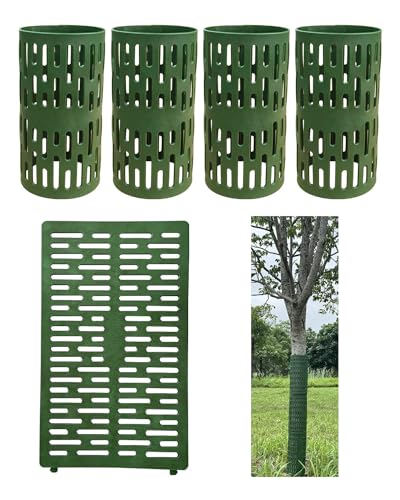
Tree Trunk Protectors Set of 4: Versatile for trees of various sizes.When used with large trees, tree trunk protectors can be spliced together.
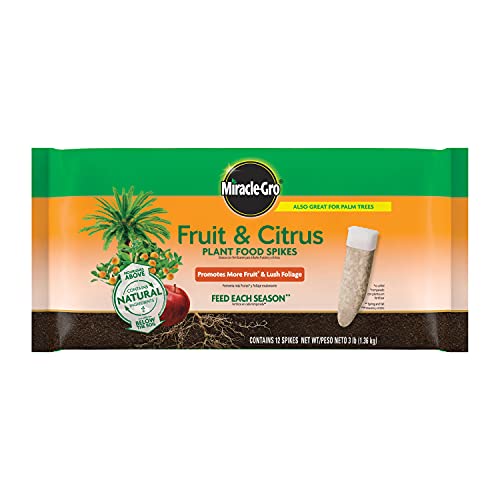
FORMULATED FOR CITRUS AND FRUIT TREES: Use these citrus fertilizer spikes on apple, orange, lemon, lime, and avocado trees; this formula is also great for feeding palm trees
Best Options for Home Growers
- Persimmons: Deer often avoid these due to their astringent taste when unripe.
- Plums: Varieties like Damson plums show resistance, as deer prefer sweeter options.
- Pawpaw: This tree bears large fruit but typically attracts less deer interest.
- Quinces: Their tough skin deters deer, making them a smart selection.
- Crabapples: These small, tart apples are often unappealing, especially when less mature.
Selecting these varieties can help minimize the risk of deer damage, enabling your trees to thrive without constant worry.
- Choose Locations Wisely: Place trees near homes or active areas. Deer tend to avoid human presence.
- Use Protective Barriers: Surround saplings with fencing, avoiding deer access while enabling sunlight and air circulation.
- Plant in Clusters: Grouping resistant varieties can confuse deer, as they might prefer easier targets.
- Maintain Your Garden: Keeping shrubs and tall grass trimmed reduces cover for deer, making your garden less inviting.
- Implement Scare Tactics: Use motion-activated lights or noise devices to deter deer. This adds a layer of protection while enhancing your garden’s security.
Utilizing deer-resistant varieties and strategic planting methods safeguards your young fruit trees from browsing damage, ensuring a healthy and productive garden.
Conclusion
Protecting your young fruit trees from deer is essential for a thriving garden. By understanding their feeding habits and preferences you can take proactive steps to safeguard your saplings. Implementing strategies like sturdy fencing and natural repellents can make a significant difference in preventing damage.
Choosing deer-resistant varieties and employing smart planting techniques also adds an extra layer of protection. With a little effort and attention you can create a flourishing environment for your fruit trees to grow and produce delicious yields. Happy gardening!
Frequently Asked Questions
What challenges do deer pose to young fruit trees?
Deer can severely damage young fruit trees by browsing on tender leaves, bark, and young shoots. This feeding can lead to stunted growth and visible damage, making it crucial for gardeners and orchard owners to protect their trees.
Which tree species are deer most attracted to?
Deer tend to prefer young trees such as apple, peach, and cherry. Understanding these preferences can help gardeners implement better protective measures for vulnerable fruit trees.
How do deer feeding habits change seasonally?
In spring and summer, deer prefer tender leaves and young shoots. As fall and winter approach, their diet shifts to harder plant materials. Recognizing these shifts allows for timely protective actions.
What are effective methods to protect young fruit trees from deer?
Effective methods include installing fences at least 8 feet tall, using repellents (commercial and DIY), and employing scare tactics like motion-activated devices or reflective materials. These strategies can significantly reduce deer damage.
Are there deer-resistant fruit tree varieties?
Yes, varieties such as persimmons, plums, pawpaw, quinces, and crabapples are considered deer-resistant. Choosing these trees can help minimize the risk of deer damage in your garden.
How can strategic planting help avoid deer damage?
Planting trees near homes, using protective barriers, and clustering can deter deer. Maintaining the garden and using scare tactics also assist in keeping deer away from fruit trees.
