
Close Menu
    Fruit Tree Hub
    • Home
    • Apple Trees
    • Lemon Trees
    • Mango Trees
    • Orange Trees
    • More Trees
      • Best Fruit Trees
      • Apricot Trees
      • Cherry Trees
      • Fig Trees
      • Lime Trees
      • Mulberry Trees
      • Peach Trees
      • Pear Trees
      • Plum Trees
      • Pomegranate Trees
    • Tips and Advice
      • Tools
    • About Us
      • Contact
      • Privacy Policy
    Fruit Tree Hub
    Home»Tips and Advice»Do Sumac Trees Bear Fruit: Discover Their Vibrant Clusters and Culinary Uses
    Tips and Advice

    Do Sumac Trees Bear Fruit: Discover Their Vibrant Clusters and Culinary Uses

    Martha JacksonBy Martha JacksonNovember 17, 20247 Mins Read
    Share Facebook Twitter Pinterest WhatsApp Email
    Share
    Facebook Twitter LinkedIn Pinterest Telegram Email

    Have you ever wondered if sumac trees actually bear fruit? You might have seen their vibrant red clusters and thought they were something special. But what’s the deal with those colorful spikes?

    Contents show
    1 Key Takeaways
    2 Overview of Sumac Trees
    3 Fruit Characteristics of Sumac
    3.1 Types of Sumac Trees
    3.2 Edible vs. Inedible Varieties
    4 Growing Conditions for Fruit Production
    4.1 Climate and Soil Requirements
    4.2 Maintenance and Care
    5 Benefits of Sumac Fruit
    5.1 Nutritional Value
    5.2 Culinary Uses
    6 Conclusion
    7 Frequently Asked Questions
    7.1 Do sumac trees produce fruit?
    7.2 What types of sumac trees are there?
    7.3 Are all sumac fruits safe to eat?
    7.4 What conditions do sumac trees need to thrive?
    7.5 How can I improve fruit production on my sumac tree?

    Key Takeaways

    • Fruit Production: Sumac trees produce vibrant, tart drupes from clusters of small flowers that bloom in late spring or early summer, distinguishing them from typical berries.
    • Species Identification: Common sumac varieties include Staghorn and Smooth Sumac, both of which have edible fruit, while some species, like poison sumac, are toxic and should be avoided.
    • Growing Conditions: These trees thrive in full sun and well-drained soil, with drought tolerance, though occasional watering aids fruit production.
    • Nutritional Benefits: Sumac fruit is rich in antioxidants, vitamin C, and fiber, making it a healthy addition to diets, with anti-inflammatory properties.
    • Culinary Uses: The tangy flavor of dried sumac enhances various dishes, including salads, marinades, and Middle Eastern cuisine, offering a versatile seasoning option.

    Overview of Sumac Trees

    Sumac trees belong to the Anacardiaceae family and encompass various species. You can find them primarily in temperate regions, and they grow as shrubs or small trees. Most species reach heights of 15 to 35 feet.

    Leaves consist of pinnately compound structures, which means leaflets are arranged along a central stem. In autumn, leaves turn vibrant shades of red, orange, and yellow, adding visual interest.

    MUST READ
    Does Dollar Tree Have Fruit? Exploring Fresh and Packaged Options Available in Stores

    Sumac trees feature distinctive flowering patterns. Clusters of small, greenish-yellow flowers bloom in late spring or early summer. These flowers typically develop into dense, fuzzy, reddish-brown fruit clusters.

    The fruit is not technically a berry but a drupe. These drupes contain a significant amount of tart flavor. Some varieties produce a more flavorful drupe than others.

    Regarding cultivation, sumac trees require full sun and well-drained soil to thrive. They tolerate drought conditions well but benefit from occasional watering during dry spells. These trees grow in a variety of soil types, making them versatile for landscaping.

    Their appearance and fruit make sumac trees a popular choice for ornamental gardens. Use them to create natural habitats or to attract wildlife, as they provide food for birds and other small animals. Keep in mind that while sumac berries are edible, some species of sumac contain toxic components. Always verify which species you’re dealing with before consumption.

    Fruit Characteristics of Sumac

    Sumac trees produce distinctive fruit that captures attention with its vibrant color and unique flavor. These fruits develop from the clusters of flowers that bloom in late spring or early summer.

    Recommended Products

    The Spice Way Pure 100% Ground Sumac 4 oz Sumakh Seasoning Powder No Salt | Salt-free tart sumac for salads, yogurt, hummus, meats and rice; also known as sumak; Kosher Certified; Resealable Bag
    The Spice Way Pure 100% Ground Sumac 4 oz Sumakh Seasoning Powder No Salt | Salt-free tart sumac for salads, yogurt, hummus, meats and rice; also known as sumak; Kosher Certified; Resealable Bag

    GROUND SUMAC SPICE - Ground sumac spice is an exotic Middle Eastern common spice with a fruity sour flavor.

    VIEW LATEST PRICE

    As an affiliate, we earn on qualifying purchases.

    Badia Sumac Spice, 4.75 oz - Ground Sumac Seasoning, Tangy Citrus, Authentic Flavor, Gluten Free, Kosher
    Badia Sumac Spice, 4.75 oz - Ground Sumac Seasoning, Tangy Citrus, Authentic Flavor, Gluten Free, Kosher

    Bright, Tangy Citrus Flavor: Made from ground sumac berries, this spice delivers a vibrant, lemony flavor with a slightly fruity and tart finish

    VIEW LATEST PRICE

    As an affiliate, we earn on qualifying purchases.

    Sadaf Sumac Ground - Sumac Powder for Cooking and Food Seasoning - Sumac Seasoning - Traditional Middle Eastern Spice - Kosher 4 oz Resealable Bag
    Sadaf Sumac Ground - Sumac Powder for Cooking and Food Seasoning - Sumac Seasoning - Traditional Middle Eastern Spice - Kosher 4 oz Resealable Bag

    VERSATILE AND FLAVORFUL: Unlock endless culinary possibilities with Sadaf Sumac Ground. Whether you're marinating, grilling, roasting, or seasoning, this spice adds depth and complexity to your favorite dishes.

    MUST READ
    How to Care for Fruit Trees in the Winter: Essential Tips for Healthy Growth in Spring
    VIEW LATEST PRICE

    As an affiliate, we earn on qualifying purchases.

    Types of Sumac Trees

    Several types of sumac trees exist, each with its own unique characteristics. Common types include:

    • Staghorn Sumac (Rhus typhina): This species features fuzzy, red fruit clusters and forms large shrubs or small trees. It’s often found in open areas and is notable for its striking autumn foliage.
    • Smooth Sumac (Rhus glabra): Known for its smooth stems, this variety produces bright red drupes. It’s frequently used for landscaping due to its adaptability and visual appeal.
    • Toxicodendron radicans: Commonly known as poison ivy, this plant shares family roots with sumac. However, its fruit is not typically harvested for culinary use.

    Edible vs. Inedible Varieties

    Understanding the differences between edible and inedible sumac varieties is crucial for anyone interested in foraging or using these fruits in cooking:

    • Edible Sumac: Staghorn and smooth sumac produce tart, flavorful drupes. These fruits are often dried and ground into a spice used in Mediterranean dishes. They add a zesty kick to salads, meats, and beverages.
    • Inedible Sumac: Some sumac species, like poison sumac, carry toxic components. Consuming their fruits can cause adverse reactions. Always identify sumac species before considering consumption.

    By recognizing these fruit characteristics, you can enjoy the benefits of sumac while avoiding potential hazards.

    Growing Conditions for Fruit Production

    Sumac trees thrive under specific conditions that encourage fruit production. Understanding these requirements helps ensure a healthy, fruitful tree.

    Recommended Products

    Jobe’s Organics Granular Garden Fertilizer, Easy Plant Care Fertilizer for Fruit and Citrus Plants and Trees, 4 lbs Bag
    Jobe’s Organics Granular Garden Fertilizer, Easy Plant Care Fertilizer for Fruit and Citrus Plants and Trees, 4 lbs Bag

    Package contains 4 Pounds organic fruit and citrus fertilizer grains and is produced to avoid wasteful runoff, mess, hazards and smells
    MUST READ
    How to Boost Fruit Tree Growth: Essential Tips for Healthier Trees and Better Yields
    VIEW LATEST PRICE

    As an affiliate, we earn on qualifying purchases.

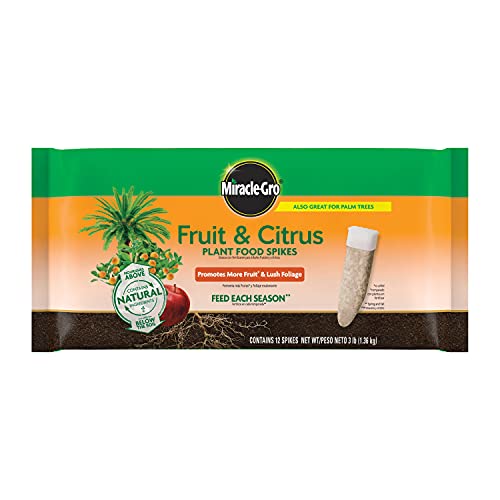
    Miracle-Gro Fruit & Citrus Plant Food Spikes, 12 Spikes, 3 lb. | 10-15-15 Easy-to-Use Nutrient Spikes for Fruit and Citrus Trees, Plant Fertilizer
    Miracle-Gro Fruit & Citrus Plant Food Spikes, 12 Spikes, 3 lb. | 10-15-15 Easy-to-Use Nutrient Spikes for Fruit and Citrus Trees, Plant Fertilizer

    FORMULATED FOR CITRUS AND FRUIT TREES: Use these citrus fertilizer spikes on apple, orange, lemon, lime, and avocado trees; this formula is also great for feeding palm trees

    VIEW LATEST PRICE

    As an affiliate, we earn on qualifying purchases.

    Scotts Evergreen, Flowering Tree & Shrub Continuous Release Plant Food | Feeds up to 2 Months, Contains Slow-Release Nitrogen, 3 lbs.
    Scotts Evergreen, Flowering Tree & Shrub Continuous Release Plant Food | Feeds up to 2 Months, Contains Slow-Release Nitrogen, 3 lbs.

    Excellent for evergreens, dogwoods, hydrangeas, magnolias and many other acid-loving trees and shrubs

    VIEW LATEST PRICE

    As an affiliate, we earn on qualifying purchases.

    Climate and Soil Requirements

    Sumac trees flourish in areas with a temperate climate. They prefer full sun, which means at least six hours of direct sunlight each day. Well-drained soil is essential for healthy growth; sandy or loamy soils work best. Avoid heavy clay soils, as they retain moisture and can lead to root rot. Sumac trees tolerate drought, but consistent watering during dry periods encourages better fruiting. Consider adding organic matter to improve soil fertility.

    Maintenance and Care

    Caring for your sumac tree involves regular monitoring and upkeep. Prune your tree in late winter or early spring to remove dead or crowded branches. This encourages better airflow and light penetration. Fertilize in early spring with a balanced fertilizer to promote growth. Pests and diseases are rare but can occur, so inspect your tree regularly. If you notice any signs of distress, address them promptly to maintain health and fruit production. Mulch around the base helps retain moisture and suppress weeds, fostering a better environment for fruit-bearing.

    Benefits of Sumac Fruit

    Sumac fruit offers numerous advantages, enhancing both health and culinary experiences.

    Recommended Products

    SavorSatch Ground Sumac – Resealable Pouch | Certified Kosher, GMO Free, Allergen-Free | Tangy, Deep Red Spice for Middle Eastern Cooking, Salads, and Meats | Product of Turkey - 4oz (Pack of 1)
    SavorSatch Ground Sumac – Resealable Pouch | Certified Kosher, GMO Free, Allergen-Free | Tangy, Deep Red Spice for Middle Eastern Cooking, Salads, and Meats | Product of Turkey - 4oz (Pack of 1)

    Authentic Turkish Origin – Made from premium sumac berries grown in Turkey, this ground spice delivers a tangy, citrus-like flavor that’s essential in Mediterranean and Middle Eastern cuisine.
    MUST READ
    Do Apple Trees Produce Fruit Every Other Year: Tips for Consistent Harvesting Success
    VIEW LATEST PRICE

    As an affiliate, we earn on qualifying purchases.

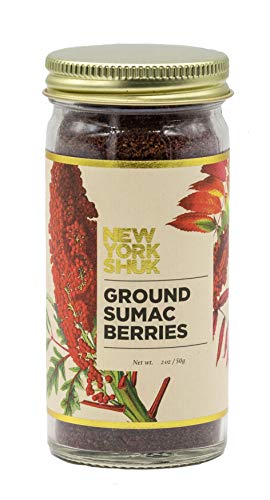
    Ground Sumac Berries Premium Spice Blend
    Ground Sumac Berries Premium Spice Blend

    No hydrogenated fats or high fructose corn syrup allowed in any food

    VIEW LATEST PRICE

    As an affiliate, we earn on qualifying purchases.

    Sadaf Sumac Whole - Whole Sumac for Cooking and Food Seasoning - Sumac Seasoning - Traditional Middle Eastern Spice - Kosher - 4 Oz Resealable Bag
    Sadaf Sumac Whole - Whole Sumac for Cooking and Food Seasoning - Sumac Seasoning - Traditional Middle Eastern Spice - Kosher - 4 Oz Resealable Bag

    VERSATILE SEASONING: Elevate your recipes with the sour, tart, and salty taste of whole Sadaf Sumac. Perfect for rice, marinades, meat, and poultry rubs. The perfect additon to your pantry

    VIEW LATEST PRICE

    As an affiliate, we earn on qualifying purchases.

    Nutritional Value

    Sumac fruit is rich in antioxidants, which help combat oxidative stress in your body. It contains high levels of vitamin C, crucial for supporting your immune system. Additionally, sumac provides fiber, promoting digestive health and aiding in weight management. It also has anti-inflammatory properties, which can alleviate various ailments, including arthritis. With a modest calorie count, sumac makes a healthy addition to your diet.

    Culinary Uses

    Sumac fruit shines in the kitchen due to its tangy and tart flavor profile. You can sprinkle dried sumac on salads for an instant flavor boost or mix it into marinades for meats and vegetables. In Mediterranean and Middle Eastern cuisine, sumac often features in dishes like za’atar, a herb blend. You can also add sumac to hummus or yogurt for a zesty twist. Its unique taste enhances dishes without overpowering other flavors, making it a versatile seasoning.

    Conclusion

    Sumac trees definitely bear fruit that’s not only visually striking but also packed with flavor and health benefits. Whether you’re considering growing them in your garden or simply curious about their uses in the kitchen, understanding the right species is key.

    MUST READ
    How to Keep Birds from Eating Fruit Trees: Effective Strategies for a Thriving Harvest

    With the right care and conditions, you can enjoy the vibrant red drupes that add a delightful tang to your dishes. Just remember to identify the edible varieties to safely savor their unique taste. Embrace the beauty and utility of sumac trees and let their fruits enhance your culinary adventures.

    Frequently Asked Questions

    Do sumac trees produce fruit?

    Yes, sumac trees do produce fruit. After flowering in late spring or early summer, they develop dense clusters of reddish-brown drupes that are known for their tart flavor. These fruits are visually striking and can be a focal point in the garden.

    What types of sumac trees are there?

    There are several types of sumac trees, including Staghorn Sumac and Smooth Sumac. Each type has unique characteristics, such as growth habits and leaf shapes. Some are edible and widely used in cooking, while others, like poison sumac, are toxic.

    Are all sumac fruits safe to eat?

    No, not all sumac fruits are safe to eat. Only specific varieties, like Staghorn and Smooth Sumac, are edible and can be used in culinary dishes. Poison sumac contains toxic components and should be avoided.

    What conditions do sumac trees need to thrive?

    Sumac trees thrive in full sun and well-drained sandy or loamy soils. They’re drought-tolerant and prefer temperate climates. Avoid heavy clay soils that can lead to root rot, and ensure consistent watering during dry spells.

    How can I improve fruit production on my sumac tree?

    To enhance fruit production, ensure your sumac tree receives full sunlight and well-drained soil. Regular watering, especially in dry periods, is important. Pruning in late winter and mulching to retain moisture can also assist in promoting healthy growth and fruiting.

    Share. Facebook Twitter Pinterest LinkedIn Tumblr Email
    martha jackson
    Martha Jackson

      Martha Jackson is an accomplished freelance writer and editor with a strong interest in gardening. With a degree in English from the University of California, Berkeley, Martha has over 15 years of experience writing for a variety of publications. She is passionate about making gardening accessible to all and is always seeking out new techniques and innovations.

      Related Posts

      How Long Until Avocado Trees Bear Fruit and Tips for Faster Growth at Home

      February 20, 2025

      What Yellow Fruit Grows on Trees and Their Delicious Health Benefits

      February 20, 2025

      How to Air Layer Fruit Trees: A Step-by-Step Guide for Successful Propagation

      February 20, 2025

      When Do Grapefruit Trees Produce Fruit and How to Maximize Your Harvest

      February 20, 2025

      What Is a Fast Growing Fruit Tree: Discover Quick-Yield Options for Your Garden

      February 20, 2025

      Do Cherry Blossom Trees Have Fruit? Discover the Truth About Their Edibility and Benefits

      February 20, 2025
      Leave A Reply Cancel Reply

      Affiliate Disclosure

      As an Amazon Associate I earn from qualifying purchases.

      Recommended Reading

      Can Orange Trees Grow in Maine? Cold-Hardy Variety Research

      How Big Does a Grapefruit Tree Grow? Tips for Healthy Growth and Fruit Production

      Can Grapefruit Trees Grow in Alaska? (Greenhouse Secrets)

      What to Spray on Fruit Trees in Early Spring for Healthy Growth and Pest Protection

      Why Do Walnut Trees Produce Juglone

      Do deer eat figs off trees?

      Plum Trees in a Pot in Iowa: Northern Climate Success Secrets

      Olive Trees in a Pot in Indiana: Midwestern Growing Secrets

      Can Olive Trees Survive Frost

      How to Make an Apple Tree Stop Bearing Fruit: Effective Techniques for Gardeners to Manage Yield

      Fruit Tree Hub

      Fruit Tree Hub is a website dedicated to providing you everything you need to grow fruit trees successfully at in your own yard.

      Contact us at: [email protected]

      - AFFILIATE DISCLOSURE: As an Amazon Associate I earn from qualifying purchases.

      Latest Posts

      18 Coastal Crochet Tops in White and Neutral Shades

      16 Retro Crochet Tops Built Around Multicolor Granny Squares

      16 Modest Crochet Tops Featuring Higher Necklines

      19 Cottagecore Crochet Tops With Square Necklines

      13 Ruffled Crochet Tops With Flared Hems

      19 Lace Crochet Tops Featuring Intricate Openwork

      14 Floral Crochet Tops Inspired by Botanical Motifs

      20 Boho Crochet Halter Tops for Festival Outfits

      Categories
      • Almond Trees
      • Apple Trees
      • Apricot Trees
      • Best Fruit Trees
      • Blackberry
      • Cantaloupe
      • Cherry Trees
      • Christmas Crochet Ideas
      • Crochet Bag Ideas
      • Crochet Blanket Ideas
      • Crochet Dress Ideas
      • Crochet Ideas
      • Crochet Ideas for Beginners
      • Crochet Top Ideas
      • Cucamelon
      • Easy Crochet Ideas
      • Easy Knitting Projects
      • Fall Crochet Ideas
      • Fig Trees
      • Grapefruit Trees
      • Grapes
      • Guava Trees
      • Halloween Crochet Ideas
      • Honeydew
      • Jujube Trees
      • Kiwi
      • Knitting For Beginners
      • Knitting Ideas
      • Knitting Inspiration
      • Lemon Trees
      • Lime Trees
      • Loquat Trees
      • Mango Trees
      • Mulberry Trees
      • Nectarine Trees
      • Olive Trees
      • Orange Trees
      • Papaya Trees
      • Peach Trees
      • Pear Trees
      • Persimmon Trees
      • Planting
      • Plum Trees
      • Pomegranate Trees
      • Quince Trees
      • Raspberry
      • Reviews
      • Small Crochet Ideas
      • Star Fruit Trees
      • Summer Crochet Ideas
      • Tamarind Trees
      • Tangerine Trees
      • Tips and Advice
      • Tools
      • Uncategorized
      • Walnut Trees
      • Winter Crochet Ideas
      © 2026 Fruit Tree Hub
      • Home
      • About Us
      • Contact
      • Privacy Policy
      • Terms and Conditions
      • Disclaimer
      • Editorial Policy
      • Affiliate Disclosure

      Type above and press Enter to search. Press Esc to cancel.