

Have you ever watched your fruit trees grow but felt disappointed when harvest time comes and there’s nothing to pick? You’re not alone. Many gardeners face the frustration of trees that seem healthy yet fail to produce fruit.
Key Takeaways
- Soil Quality Matters: Ensure your soil is nutrient-rich and well-drained; test for pH and amend as needed to enhance fruit production.
- Monitor for Pests and Diseases: Regularly inspect your trees for pests and fungal diseases, and address any signs of stress promptly to maintain tree health.
- Understand Environmental Needs: Consider climate and light requirements specific to your fruit tree species to maximize growth and fruit yield.
- Address Nutrient Deficiencies: Use balanced fertilizers to address key nutrient deficiencies like nitrogen, phosphorus, and potassium for optimal fruiting.
- Be Patient with Young Trees: Recognize that young trees take time to mature and produce fruit, requiring diligent care during their early growth stages.
- Regular Pruning is Essential: Practice timely pruning to support air circulation and light penetration, which are crucial for flower and fruit development.
Common Reasons for Lack of Fruit Production
Understanding why your fruit trees aren’t producing can help you find solutions. Several factors can impact fruit production, including soil quality and pest or disease problems.
Soil Quality Issues
Soil quality plays a critical role in fruit production. Poor soil can limit nutrient availability and water retention, affecting tree health. Testing your soil for pH, nitrogen, phosphorus, and potassium levels is essential.
- Nutrient Deficiency: Lack of vital nutrients can stunt growth. Use organic compost or fertilizers to enrich the soil.
- pH Levels: Most fruit trees thrive in soils with a pH between 6.0 and 7.0. If the pH is too low or too high, you may need to amend your soil.
- Drainage Problems: Excess water can saturate the roots, causing stress. Ensure your soil drains well, and consider raised beds if necessary.
Pest and Disease Problems
Pests and diseases can significantly impact your trees’ ability to produce fruit. Regular monitoring can help identify issues early.
- Insects: Aphids, scale, and mites can sap tree vitality. Inspect leaves and branches regularly for signs of infestation.
- Fungal Diseases: Conditions like powdery mildew or root rot can hurt fruiting. Implement proper spacing and air circulation and consider fungicides when necessary.
- Signs of Stress: Wilting leaves, discolored spots, or unusual growth patterns may indicate a problem. Address any signs promptly to support your trees’ health.
Focusing on these areas can help revive your fruit trees and encourage them to produce.
Environmental Factors
Environmental factors play a crucial role in whether your fruit trees produce fruit. Specific elements like climate and light conditions directly impact growth and yield.
Recommended Products

Classifies Sunlight Exposure in Real Environments. Accurately identifies Full Sun, Partial Sun, Partial Shade, or Shade based on DLI (Daily Light Integral) levels—helping gardeners and designers optimize plant placement.
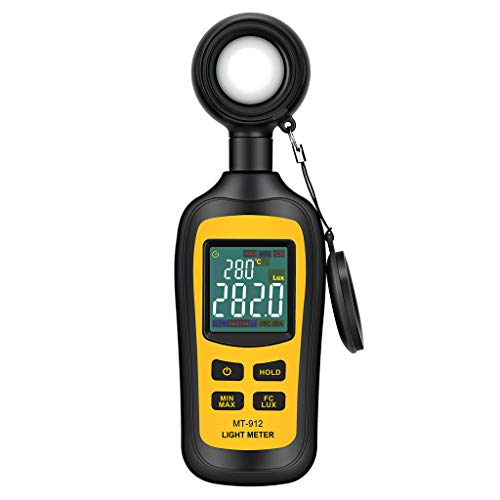
Measures luminosity from 0 to 200,000 Lux and ambient temperature

Measures Photosynthetically Active Radiation (PAR) light, which drives photosynthesis in plants
Climate Conditions
Climate affects fruit production significantly. Each fruit tree species has distinct climate preferences. For example, apple trees thrive in temperate climates, while citrus trees prefer warmer environments.
Monitor temperature ranges throughout the seasons. Frost can damage blossoms, while extreme heat can stress trees. Aim to plant trees suited to your local climate. Understanding the ideal growing conditions for your specific fruit trees helps maximize production.
Light Requirements
Light is essential for fruit trees, influencing photosynthesis and energy production. Most fruit trees require full sun, meaning they need at least six hours of direct sunlight daily. If your trees aren’t getting enough light, consider these adjustments:
- Tree Placement: Ensure trees are positioned away from tall structures or other trees that might cast shade.
- Pruning: Prune surrounding vegetation to increase light exposure.
- Seasonal Changes: Be aware that light availability changes with seasons; assess your trees’ locations accordingly.
Adequate light leads to better growth and, ultimately, more fruit. Adjusting your practices can improve your trees’ chances of producing a bountiful harvest.
Nutrient Deficiencies
Nutrient deficiencies can stunt the growth and fruit production of your trees. Understanding which nutrients are essential for fruit tree health helps you identify possible shortcomings.
Recommended Products

FORMULATED FOR CITRUS AND FRUIT TREES: Use these citrus fertilizer spikes on apple, orange, lemon, lime, and avocado trees; this formula is also great for feeding palm trees

🌿 Balanced 10-10-10 Granular Fertilizer for Outdoor & Indoor Plants: All-purpose plant food with 10% Nitrogen, 10% Phosphorus, and 10% Potassium. Perfect for outdoor vegetable gardens, fruit trees, evergreens, shrubs, lawns, and flowers. Also great for potted plants and indoor gardening. One solution for all your plant needs!

Let our professionally formulated plant food help your fruit tree grow healthy, strong AND abundantly producing
Essential Nutrients for Fruit Trees
Fruit trees require several key nutrients to thrive:
- Nitrogen: Promotes leafy growth and overall vigor.
- Phosphorus: Supports root development and flowering.
- Potassium: Enhances fruit quality and helps with disease resistance.
- Calcium: Strengthens cell walls and aids in fruit development.
- Magnesium: Essential for photosynthesis and overall plant health.
- Iron: Important for chlorophyll production and leaf greening.
Testing your soil can reveal which nutrients are lacking. Soil tests typically require a sample sent to a lab, offering clear insights into nutrient levels.
Fertilization Tips
Fertilization strategies improve your fruit trees’ nutrient intake. Consider these steps:
- Choose the Right Fertilizer: Look for a balanced fertilizer with nitrogen, phosphorus, and potassium (NPK) ratios tailored for fruit trees, such as a 10-10-10 mix.
- Apply at the Right Time: Fertilize early in spring as trees begin to grow. Avoid late-season applications that could promote new growth before winter.
- Follow Recommended Rates: Adhere to package instructions, as over-fertilization can damage roots and prevent fruiting.
- Use Organic Options: Consider organic fertilizers like compost or aged manure. These improve soil structure and provide nutrients gradually.
- Monitor Tree Response: Observe your trees after fertilizing. Leaf color, growth patterns, and fruit set indicate if adjustments are needed in nutrient delivery.
Regular attention to nutrient levels and proper fertilization will significantly enhance your fruit tree production.
Tree Age and Health
Tree age and health significantly influence fruit production. Young, healthy trees may take time to bear fruit, while older trees can face health challenges.
Recommended Products

CLEAN CUTS FOR LIVE GROWTH: Bypass blade design is ideal for pruning delicate flower stems and green growth, helping reduce crushing and plant damage while cutting stems and small branches up to 5/8” in diameter

Unbreakable sharpness! Japanese SK5 steel blade with titanium coating endures 100,000 cuts. Built for lifelong clean cuts
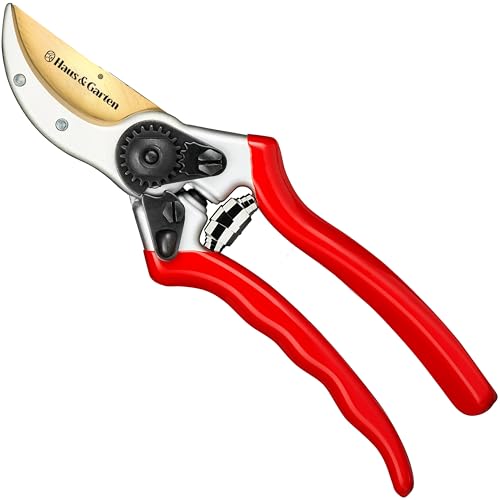
Sharp, Clean Cuts Every Time – Engineered from Japanese grade, high-carbon steel, ClassicPRO bypass pruning shears for gardening stay sharp and make precise cuts that encourage healthy growth and won’t damage your plants
Young Trees and Time to Maturity
Young trees often require several years before they produce fruit. For example, apple trees might take three to five years to yield their first harvest, while peach trees can take three to four years. During this early stage, focus on nurturing them with proper water, sunlight, and nutrients. Patience plays a key role; ensure your young trees remain well-cared for to set the foundation for future fruiting.
Pruning and Maintenance
Pruning affects both tree health and fruit production. Regular pruning promotes air circulation and light penetration, enhancing flower and fruit development. Aim to prune your trees during late winter or early spring to prepare for the growing season. Remove dead or overcrowded branches to encourage healthy growth. Additionally, keep your trees free of weeds and pests to maintain optimal health. Consider using organic fertilizers to support robust growth and fruiting.
Conclusion
Getting your fruit trees to produce can feel like a daunting challenge but don’t lose hope. By paying attention to soil quality pests and environmental factors you can create the perfect conditions for your trees to thrive.
Remember that patience is key as some trees take time to bear fruit. Regular maintenance like pruning and monitoring light exposure can make a significant difference.
With a little care and the right approach you’ll be on your way to enjoying a bountiful harvest from your fruit trees. Happy gardening!
Frequently Asked Questions
Why aren’t my fruit trees producing fruit even though they look healthy?
Many factors can affect fruit production. Common issues include poor soil quality, nutrient deficiencies, pest infestations, and environmental conditions like light and climate. Assessing these elements is crucial to identify and resolve the problem.
How does soil quality influence fruit production?
Soil quality directly impacts nutrient availability and water retention, both vital for tree health. Poor soil may lead to deficiencies in essential nutrients and issue with drainage, hindering fruit production. Regular soil testing can help determine its quality.
What nutrients do fruit trees need?
Essential nutrients for fruit trees include nitrogen, phosphorus, potassium, calcium, magnesium, and iron. A balanced fertilizer tailored to your tree’s needs can help ensure they receive proper nutrition for optimal growth and fruiting.
How does the light exposure affect my fruit trees?
Fruit trees require at least six hours of direct sunlight daily for photosynthesis and energy production. Proper placement, pruning surrounding vegetation, and considering seasonal changes can enhance light exposure, improving the chances of a fruitful harvest.
When can I expect my young fruit trees to produce fruit?
Most young fruit trees take several years to bear fruit. For instance, apple trees typically begin producing in three to five years, while peach trees may take three to four years. Patience and proper care during this period are vital.
How often should I prune my fruit trees?
Regular pruning is essential for promoting air circulation and light penetration, both necessary for flower and fruit development. Pruning is best done in late winter or early spring, focusing on removing dead or overcrowded branches for healthy growth.
Should I monitor for pests and diseases?
Yes, regular monitoring for pests and diseases is crucial in preventing damage to your fruit trees. Signs of insect infestations or fungal diseases can hinder fruit production, so addressing these issues swiftly can support tree health and productivity.
