

Have you ever wondered why your olive tree isn’t producing any fruit? You’re not alone. Many olive tree owners face this frustrating issue, especially when they’ve put in the time and care to nurture their plants.
Understanding the reasons behind a lack of fruit can help you turn things around. This article will explore common factors that affect fruit production in olive trees, from environmental conditions to tree care practices. By the end, you’ll have practical tips to encourage your tree to bear fruit and enjoy the rewards of your hard work.
Key Takeaways
- Environmental Conditions Matter: Olive trees thrive in warm, sunny climates with well-draining soil; insufficient sunlight, extreme temperatures, or excessive moisture can hinder fruit production.
- Nutrient Deficiencies Impact Yield: Balanced fertilization is crucial; nitrogen, phosphorus, and potassium are key nutrients that support growth and fruiting. Soil testing can help identify nutrient needs.
- Pollination Plays a Key Role: Understanding whether your olive tree is self-pollinating or requires cross-pollination is essential for fruit production; ensuring a healthy pollinator population can improve yields.
- Proper Care and Maintenance: Deep, infrequent watering and strategic pruning are important practices for promoting healthy growth and increasing fruit production in olive trees.
- Pest and Disease Monitoring: Regular inspections for pests and diseases are vital; early intervention can help maintain tree health and prevent reduced fruit yields.
- Implement Companion Planting: Planting companion flowers, such as lavender or sunflowers, can attract more pollinators, creating a beneficial environment that encourages fruit production in olive trees.
Common Reasons Olive Trees Don’t Bear Fruit
Many factors can cause olive trees to struggle with fruit production. Understanding these reasons can help you take action to encourage your tree to bear fruit.
Environmental Factors
Environmental conditions play a significant role in fruiting. Olive trees thrive in warm, sunny climates with well-draining soil. If your tree doesn’t receive at least 6 hours of sunlight daily, it may not bear fruit. Extreme temperature swings or frost during flowering can also prevent fruit set. If you live in an area with high humidity, excessive moisture can lead to root rot, further impacting growth and fruiting potential.
Nutrient Requirements
Nutrient deficiencies can hinder fruit production. Olive trees require balanced nutrients, particularly nitrogen, phosphorus, and potassium. A lack of nitrogen can lead to poor growth, reducing the likelihood of fruit. Testing your soil can identify deficiencies and help you adjust fertilization practices. Applying a balanced fertilizer in early spring can provide the necessary nutrients your olive tree needs to produce healthy olives. Keep an eye on soil pH as well; olive trees prefer a range between 6 and 8.
Pollination Issues
Pollination plays a crucial role in fruit production for olive trees. When pollination isn’t effective, lack of fruit can occur.
Recommended Products

Gourmet Home Gardening: Cultivate a taste of the Mediterranean in your own backyard with the Arbequina Olive Tree. This exquisite variety is renowned for its high-quality olives, perfect for homemade olive oil and culinary creations. Elevate your cooking experience with the authentic flavors of freshly harvested olives, right from your garden.
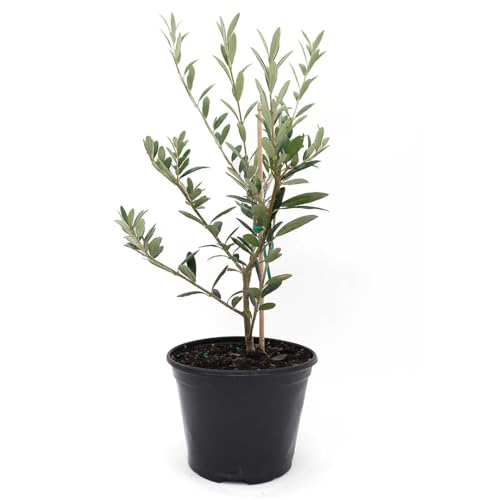
TIMELESS ELEGANCE: The Olive Tree is a symbol of timeless elegance and grace. With its slender, silvery leaves and twisting branches, this tree adds a touch of Mediterranean charm to any home. Embrace the beauty of ancient civilizations as you bring the allure of olive groves to your own garden or home.

Live 1 gallon Tea Olive comes with easy to use plant food and bloom every Spring through summer months with southern sweet-tea fragrant flowers — the electrifying, natural aroma fills the entire landscape!
Self-Pollinating vs. Cross-Pollinating
Olive trees vary in their pollination methods. Some varieties are self-pollinating, meaning they can produce fruit with their own pollen. These trees typically require fewer external factors to bear fruit. However, cross-pollinating varieties depend on pollen from other olive trees to set fruit. If only one tree or a group of the same variety is present, lack of cross-pollination can lead to poor fruit yield.
Importance of Pollinators
Pollinators significantly impact olive trees’ fruit production. Bees and other insects transfer pollen between flowers, greatly increasing the chances of setting fruit. A healthy population of pollinators boosts olive yield. To attract more pollinators, plant companion flowers nearby. Consider planting lavender, rosemary, or sunflowers, which draw pollinators and create a beneficial environment for your olive trees.
Care and Maintenance Practices
Proper care and maintenance are essential for ensuring your olive tree produces fruit. Focus on watering techniques and pruning guidelines to support healthy growth and fruit production.
Recommended Products
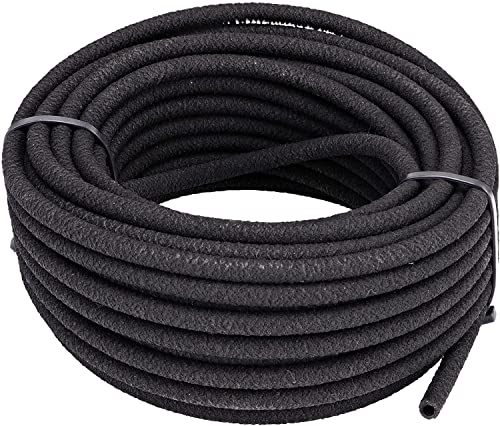
Slowly waters the soil around your plants for complete root zone hydration; Ideal for short runs on flat surfaces, such as vegetable gardens, borders, and around small plants
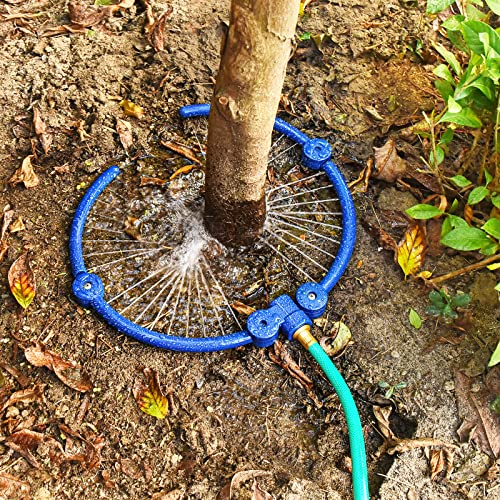
【Specially Designed for Trees and Shrubs】 The Watering Ring is a multi-purpose irrigation ring that attaches to a garden hose to efficiently water young trees shrubs vegetables or flower beds using drip or trickle irrigation.It directs water to the root perimeter of the plant to give them a good start during the first two growing seasons or through periods of drought.

GENTLE WATERING: Disperses water into a soft, even flow to protect delicate plants, seedlings, and soil from erosion and washout
Watering Techniques
Water your olive tree deeply but infrequently. It’s best to water every two to four weeks, depending on your climate and soil type. Allow the top inch of soil to dry out between waterings. If your tree shows signs of wilting or leaf drop, it may need more water, but overwatering can lead to root rot. In drier summers, increase the frequency to every two weeks. Use a drip irrigation system or soaker hose to deliver water directly to the roots, minimizing evaporation and water waste.
Pruning Guidelines
Pruning plays a critical role in fruit production. Aim to prune your olive tree in late winter or early spring before new growth begins. Remove dead or diseased branches, along with any inward-growing shoots that hinder airflow. Thin out crowded areas to enhance light penetration, which encourages fruit development. Trim back about 15-20% of the tree’s total growth each year to promote a balanced shape. This approach not only boosts fruit yield but also maintains the tree’s health and structure.
By following these care and maintenance practices, you can create a suitable environment for your olive tree to thrive and ultimately produce a bountiful harvest.
Health and Disease Concerns
Healthy olive trees produce fruit, but health issues can impact fruiting. Monitoring your tree for pests and diseases is crucial. Catching problems early can help restore your tree’s vitality.
Recommended Products


100% Pure Neem Oil – Cold Pressed & Unrefined: Verdana Organic Neem Oil is extracted from the neem seed using traditional cold press methods, ensuring maximum potency without additives, solvents, or heat treatment.

3-IN-1 GARDEN SPRAY - Earth’s Ally 3-in-1 Plant Spray is an insecticide, miticide and fungicide. The houseplant pest spray effectively kills and controls soft-bodied insects and common plant diseases with a synergistic blend of essential oils.
Pests Affecting Olive Trees
Pests can harm olive trees and prevent fruit production. Common pests include:
- Olive Fruit Fly (Bactrocera oleae): These flies lay eggs in the fruit, causing it to drop prematurely. Check for small holes or dark spots on olives.
- Scale Insects: These pests suck sap from leaves and stems. Look for a sticky residue or black sooty mold on your tree.
- Spiders: Spider mites can weaken plants by feeding on leaf tissue. You might notice fine webbing on branch tips.
Regularly inspect your tree and act quickly if you identify any pests. Use organic insecticidal soap or neem oil to manage infestations. Keeping your tree healthy through proper care can also reduce pest problems.
Common Diseases in Olive Trees
Diseases significantly affect olive trees and can lead to reduced fruit yields. Key diseases include:
- Root Rot: Caused by overwatering or poorly draining soil, root rot leads to leaf yellowing and wilting. Ensure proper soil drainage and limit watering to avoid this issue.
- Peacock Spot (Spilocaea oleagina): This fungal disease causes leaves to develop circular spots. Prune affected leaves and improve air circulation to manage this threat.
- Verticillium Wilt: This soil-borne fungus affects the tree’s vascular system. Symptoms include wilting and yellowing leaves. If detected, remove the affected tree section and optimize soil health to prevent spread.
Stay vigilant and apply fungicides according to package instructions if diseases appear. Regular maintenance, like pruning and proper watering, promotes a healthy environment for your olive tree, reducing the likelihood of disease.
Conclusion
If your olive tree isn’t bearing fruit don’t lose hope. By understanding the factors that influence fruit production you can make the necessary adjustments to encourage a bountiful harvest. Keep an eye on environmental conditions and ensure your tree gets the right nutrients and care.
Don’t forget about pollination and the role of those busy bees. With a little patience and attention to detail your olive tree can thrive and reward you with delicious olives. Enjoy the journey of nurturing your tree and watching it flourish.
Frequently Asked Questions
Why are my olive trees not producing fruit?
Olive trees may not produce fruit due to several factors, including insufficient sunlight, extreme temperature changes, high humidity, nutrient deficiencies, or pollination issues. Ensuring optimal environmental conditions and proper tree care can help encourage fruit production.
What nutrients do olive trees need for fruiting?
Olive trees require balanced nutrients, primarily nitrogen, phosphorus, and potassium. A deficiency in these essential nutrients can hinder fruit production. Regularly testing soil and using appropriate fertilizers can help meet the trees’ nutritional needs.
Do olive trees need other trees for pollination?
Not all olive trees are self-pollinating. Cross-pollinating varieties require pollen from other olive trees to produce fruit. To enhance fruit set, it’s beneficial to plant different olive varieties nearby.
How can I attract pollinators to my olive trees?
To attract pollinators like bees, consider planting companion flowers near your olive trees. Lavender, rosemary, and sunflowers are excellent options that can help boost pollination and, consequently, fruit production.
What is the best watering practice for olive trees?
Water olive trees deeply but infrequently, ideally every two to four weeks. Allow the top inch of soil to dry out between waterings to prevent overwatering, which can affect tree health and fruit production.
When should I prune my olive trees?
Prune olive trees in late winter or early spring to remove dead or diseased branches. This practice improves airflow and encourages healthy growth, both crucial for increasing fruit production.
How can I manage pests on my olive trees?
Regularly inspect your olive trees for pests like the olive fruit fly, scale insects, and spider mites. Use organic insecticidal soap or neem oil for effective pest management while minimizing harm to beneficial insects.
What diseases affect olive trees, and how can I prevent them?
Common diseases include root rot, peacock spot, and verticillium wilt. Prevent these diseases by ensuring proper soil drainage, pruning affected leaves, and applying fungicides as needed to maintain tree health and fruit yield.
